
Overview
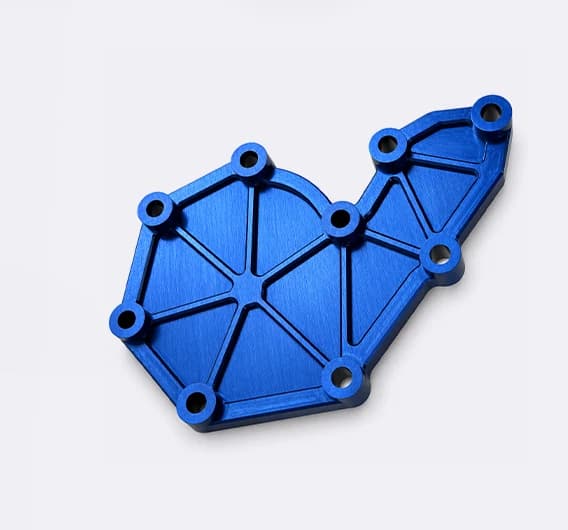
Surface finishing should begin with the intended result, not with a list of available processes. A CNC-machined prototype used for appearance review has different priorities from a part used for assembly, wear or corrosion evaluation.
Define whether the primary need is cosmetic or functional, then review substrate compatibility, geometry, budget, lead time and dimensional allowance. Some treatments add coating thickness or require preparation that can affect mating features, so finishing decisions belong in the engineering plan rather than at the end of machining.
Cosmetic Surface Finishing
Cosmetic finishing supports color, texture, gloss and presentation. The appropriate route still depends on the base material and the condition of the machined surface.
Spray Painting
Spray painting can be applied to suitable plastic and metal parts after the substrate has been prepared for adhesion. Color matching, primer selection and curing conditions should be agreed for the actual material and use case.
Grinding and Polishing
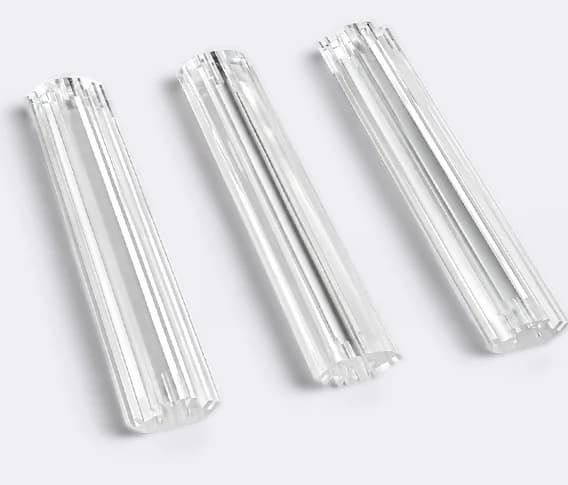
Grinding and polishing can improve the visual clarity of PMMA acrylic or create a reflective surface on stainless steel. Because polishing follows the existing geometry, deep tool marks and surface defects normally require additional preparation rather than disappearing automatically.
Sandblasting
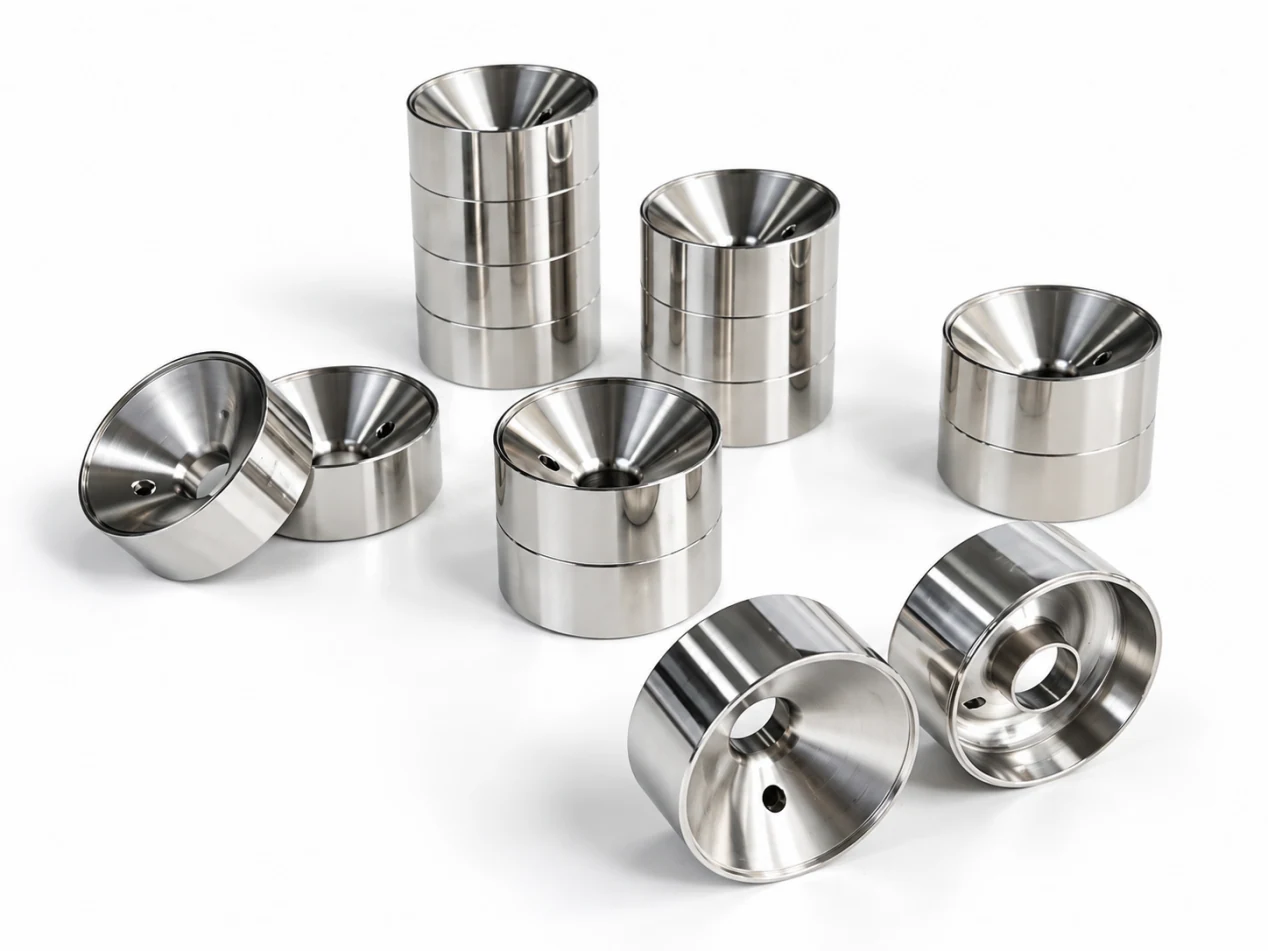
Sandblasting can create a more uniform matte appearance on metal and can reduce gloss or prepare suitable plastic surfaces before painting. Media, pressure and masking need to be selected for the material and for any features that must remain protected.
Electroplating, Vacuum Metallizing and PVD
Electroplating, vacuum metallizing and PVD can create metallic or decorative effects, but they are not interchangeable. Substrate preparation, coating stack, adhesion requirements and geometry must be reviewed with the selected finishing supplier. Deep recesses, sharp transitions and thin walls can make film uniformity more difficult.
Functional Surface Finishing
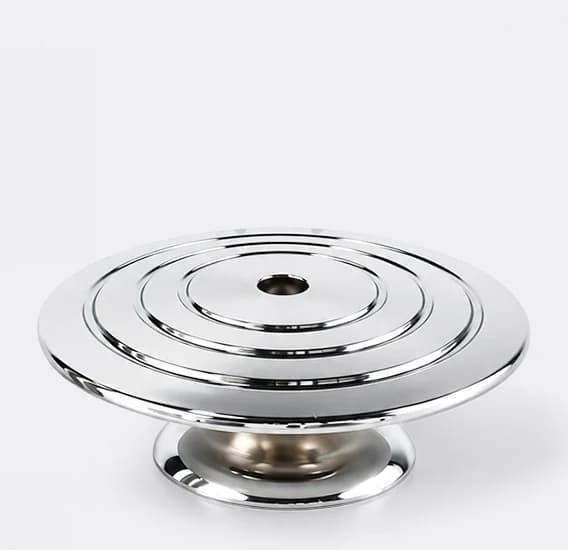
Functional finishes are selected for engineering objectives such as wear, corrosion behavior, electrical requirements or controlled assembly. Performance depends on the complete material, preparation and process specification.
Aluminum Anodizing
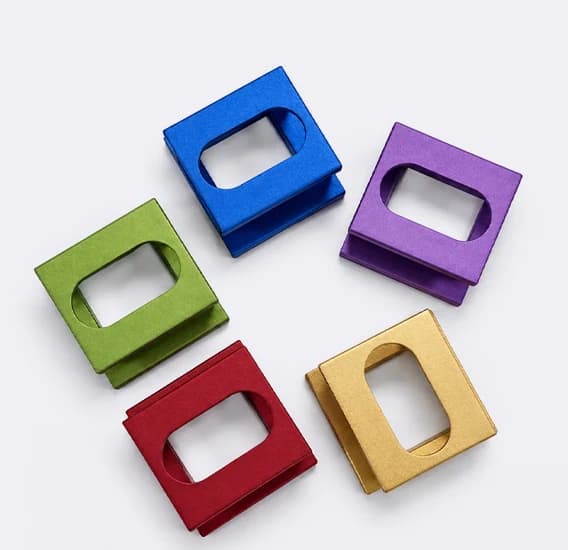
Anodizing is used on suitable aluminum alloys for appearance and surface-performance requirements. The oxide layer changes finished dimensions, so critical fits, threads, masked areas and finishing allowance should be defined before machining.
Stainless Steel Passivation
Passivation is used on suitable stainless steel to remove free iron and support the alloy's corrosion-resistant surface condition. The grade, preparation, process specification and intended environment should be reviewed rather than assuming one passivation route guarantees a particular exposure result.
Plating and Wear-Related Coatings
Chrome, nickel and zinc plating serve different decorative, wear or corrosion-control purposes. DLC-related coatings can support wear and friction objectives on compatible substrates, but substrate hardness, adhesion layer and service conditions require specialist review before the coating is specified.
Functional Coatings and Conversion Treatments
UV-resistant, anti-fingerprint and powder coatings may address specific appearance or durability needs. Chromate conversion treatments for aluminum also vary by chemistry and class; electrical contact requirements, masking and contact resistance must be reviewed for the chosen system rather than treating every conversion film as electrically identical.
Selection Framework
Use a short engineering sequence before committing to a finish:
The PMMA tail-light case shows how progressive polishing supported an optical appearance goal, while the stainless vacuum-flange case focused on dimensional relationships without an additional finish.
- Purpose — appearance review, assembly, wear evaluation, corrosion exposure or another functional objective.
- Base material — confirm that the proposed finish and preparation route suit the exact alloy or polymer.
- Budget and lead time — include preparation, masking, finishing and inspection rather than coating time alone.
- Assembly tolerances — identify critical interfaces and reserve or mask them where added thickness matters.
- Feature complexity — review deep holes, sharp corners, thin walls and enclosed surfaces for process access.
- Finishing allowance — coordinate the machining condition and the final dimensional inspection plan.
Conclusion
A finish should be selected as part of the component's manufacturing plan. Share the drawing, material, mating features and intended use so machining allowance, preparation, masking and inspection can be reviewed together. HERUIYUN can coordinate CNC prototyping with appropriate surface-finishing options for project-specific requirements.
Ready to review a prototype? Request a manufacturing review with your drawings and finishing requirements.