
Manufacture functional polymer components using Multi Jet Fusion for complex geometries, engineering prototypes and reviewed low-volume production applications.
MJF uses a polymer powder-bed process with selectively applied fusing and detailing agents to build parts layer by layer without conventional dedicated support structures.
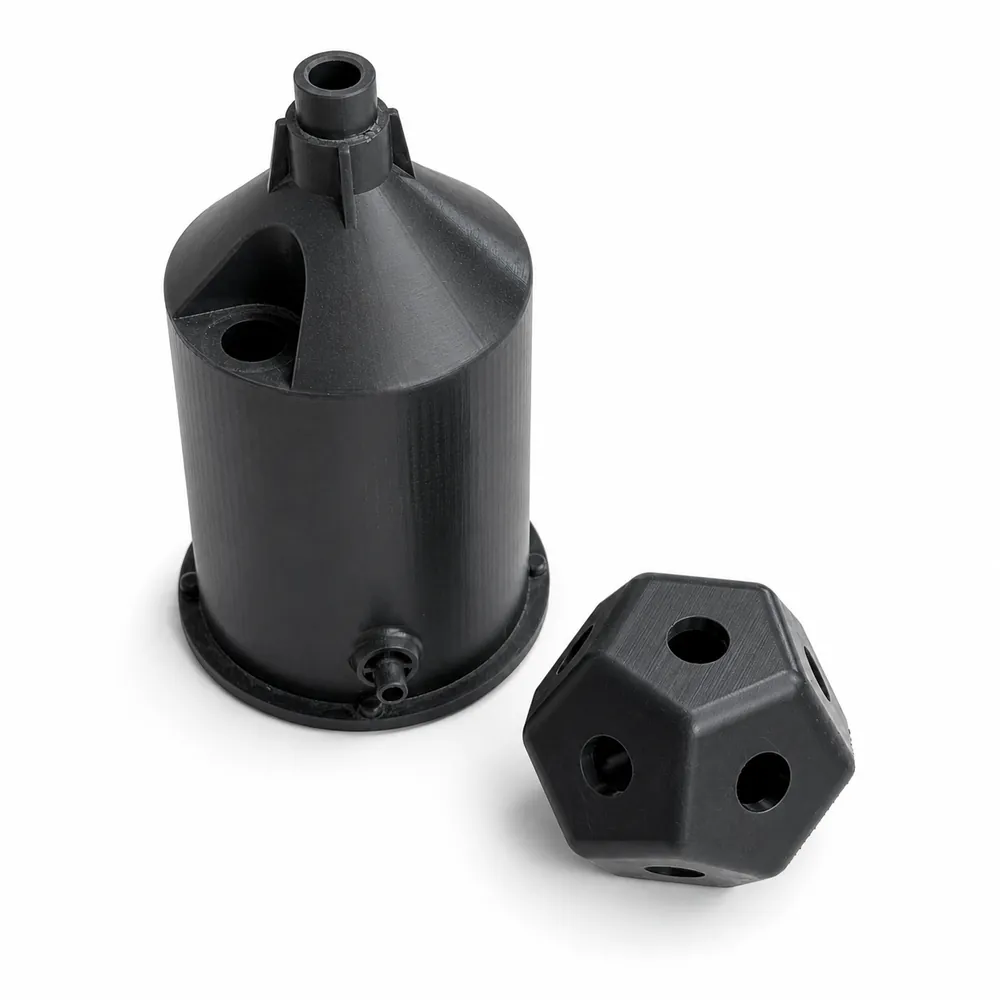
MJF combines powder-supported design freedom with an efficient route for functional polymer prototypes, repeat batches and reviewed end-use applications.
Produce engineering polymer components suitable for fit, function and reviewed end-use applications.
Manufacture internal features, integrated geometry and complex forms without conventional tooling.
Parts are supported by the surrounding powder during production, reducing the need for separate support structures and support-removal operations.
Multiple components can be arranged within the build volume for prototype batches and repeat production requirements.
Capabilities are reviewed around the complete geometry, powder-removal access, material route, build packing and finishing requirements.
Final capability depends on geometry, material route, build packing, powder-removal access, finishing scope and functional requirements confirmed during engineering review.
Material selection follows the required part response, geometry, operating conditions and current process availability.
Availability and grade confirmed during project review
A versatile engineering polymer route for functional housings, fixtures, mechanical components and production-oriented polymer parts.
Availability and grade confirmed during project review
A ductile polymer option for applications requiring flexibility, impact response and functional deformation.
Compatible route confirmed per project
TPU and other flexible-polymer routes may be evaluated for components requiring elasticity, cushioning or compliant features.
Current supply route confirmed before quotation
Additional MJF-compatible polymers may be reviewed according to application, geometry, production requirements and current material availability.
Material availability, grade and final suitability are confirmed during project review.
MJF is evaluated where functional polymer behavior, integrated geometry and repeat production planning support the application.
Production-representative polymer components for assembly, fit and functional evaluation.
Complex housings, covers and protective structures with integrated mounting features.
Custom manufacturing aids, positioning components and assembly fixtures.
Parts incorporating clips, flexible joints and integrated fastening features.
Reviewed components with complex channels, airflow paths or integrated routing geometry.
Selected polymer components for repeat low-volume production following engineering review.
CAD geometry, material requirements, part orientation and production objectives are reviewed.
A thin layer of polymer powder is distributed across the build area.
Fusing and detailing agents are selectively deposited to define the required areas and boundaries of each layer.
Heat is applied across the layer, fusing the selected regions into solid polymer geometry.
The completed build is cooled and parts are removed from the surrounding powder.
Residual powder is removed and selected finishing or inspection operations are completed.
MJF design review considers local geometry, functional interfaces, powder-removal access and thermal behavior before production.
Thin sections, small features and local geometry should be reviewed against the selected material and part orientation.
Moving assemblies, mating components and integrated mechanisms require appropriate functional clearance.
Internal channels and enclosed cavities should provide sufficient access for residual powder removal.
Large flat areas, uneven wall distribution and thermally sensitive geometry should be reviewed before production.
Final design recommendations depend on geometry, material and functional requirements.
Both processes manufacture polymer parts within a powder bed and generally avoid dedicated support structures. The primary difference is how each layer is fused.
MJF uses selectively deposited agents followed by thermal fusion, while SLS uses laser scanning.
The appropriate manufacturing route depends on geometry, material requirements, quantity and finishing expectations.
Finishing is selected around polymer compatibility, geometry, dimensional priorities and the required final appearance.
Standard preparation route
Powder removal and basic cleaning while retaining the characteristic MJF surface texture.
Geometry compatibility reviewed
Controlled media treatment to clean the surface and create a more uniform visual texture.
Compatible polymer and color reviewed per project
Color treatment may be applied to compatible polymer components depending on material and finish requirements.
Selected routes evaluated during review
Selected smoothing routes may be evaluated where reduced surface texture or improved appearance is required.
Material and end use confirmed before selection
Painting and other project-specific finishing routes may be evaluated according to material and end-use requirements.
Finish availability depends on material, geometry and final application.
Approved polymer reference imagery showing dark functional housings, integrated features and open lattice geometry.
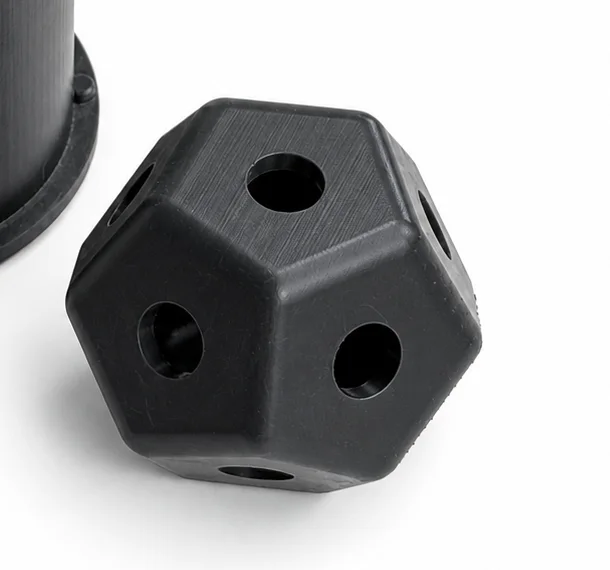
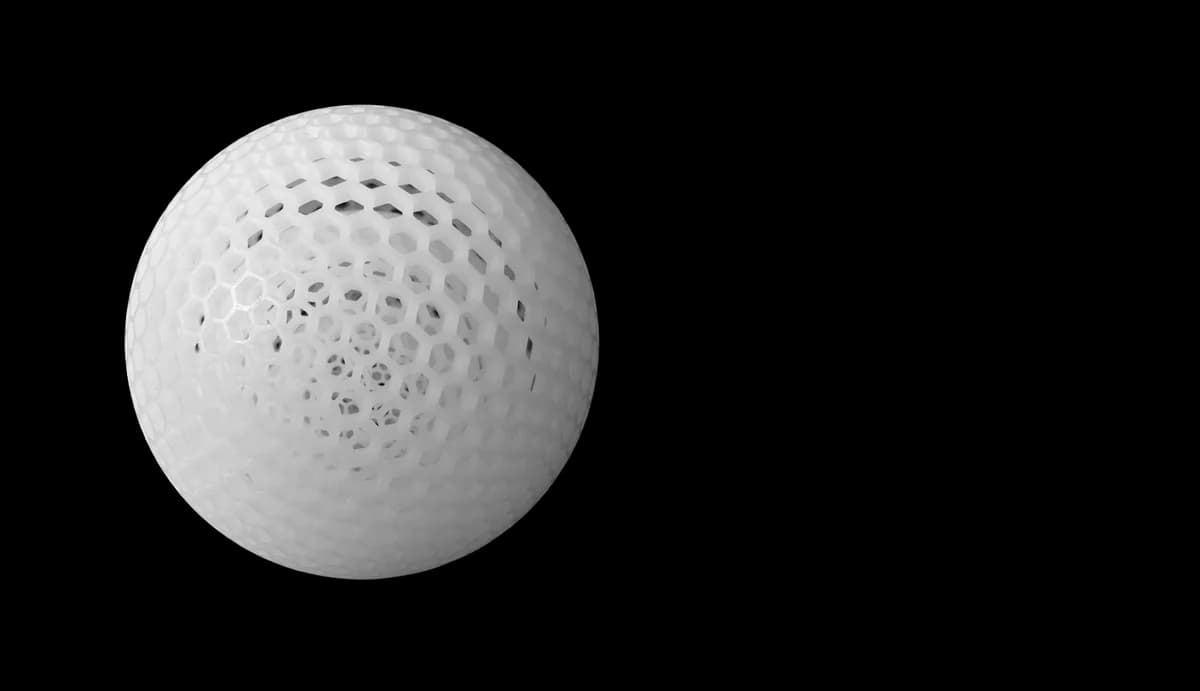
Practical guidance on the process, SLS comparison, material routes, supports, functional use, batch planning and finishing.
Upload your CAD model or technical drawing for review of geometry, material requirements, quantity and the appropriate manufacturing route.