
Humanoid & Service Robots
Exterior housings, articulated structures and internal mounting features require clear interface control between panels, joints and serviceable assemblies.
01 / Robotics
Manufacturing support for custom robot housings, structural components and physical prototypes, reviewed from customer CAD files and drawings rather than presented as complete turnkey robot systems.
Upload Drawings & Request a Quote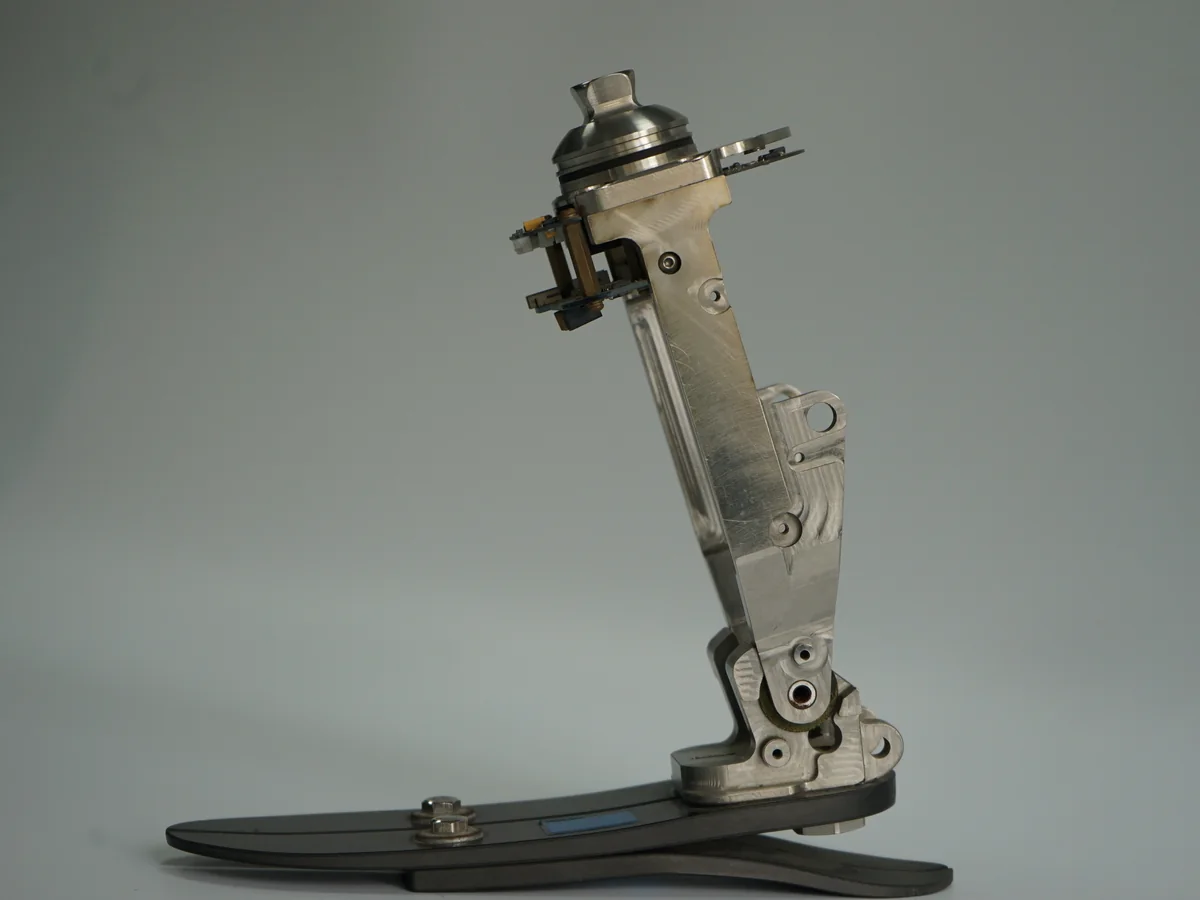
02 / Robotics Applications
Robotics projects combine exterior housings, structural frames, moving interfaces and access requirements. Each application group is framed around the mechanical hardware that must be manufactured and assembled.
Exterior housings, articulated structures and internal mounting features require clear interface control between panels, joints and serviceable assemblies.
Compact body shells and structural interfaces must accommodate joints, sensors, cabling and accessible attachment points within a constrained envelope.
Mobile platforms combine chassis structures, protective enclosures and access panels around drive, sensing and payload interfaces.
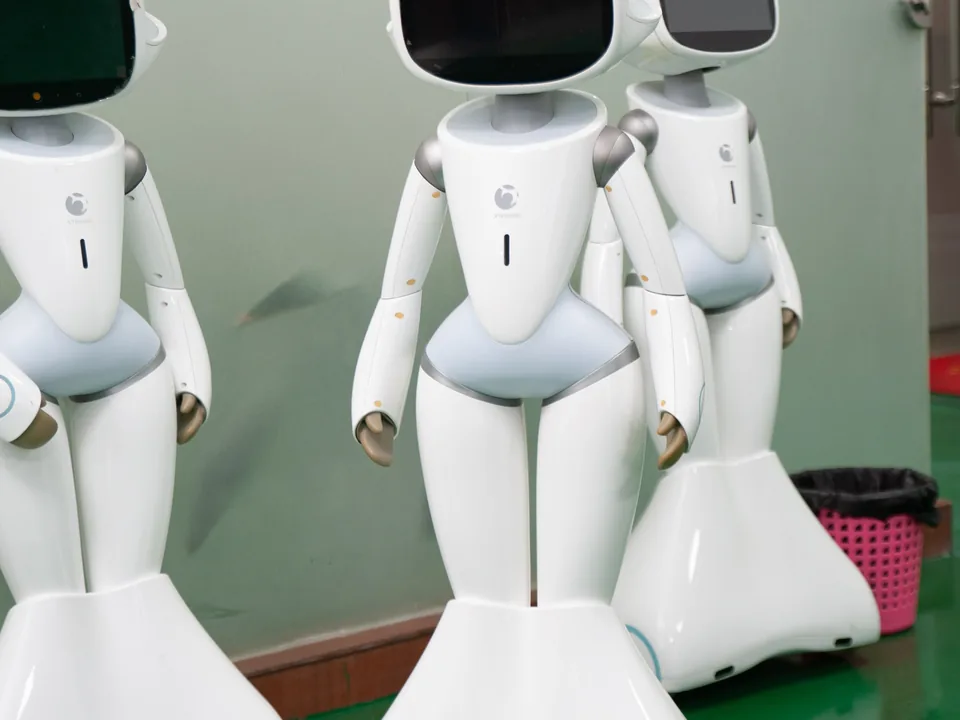
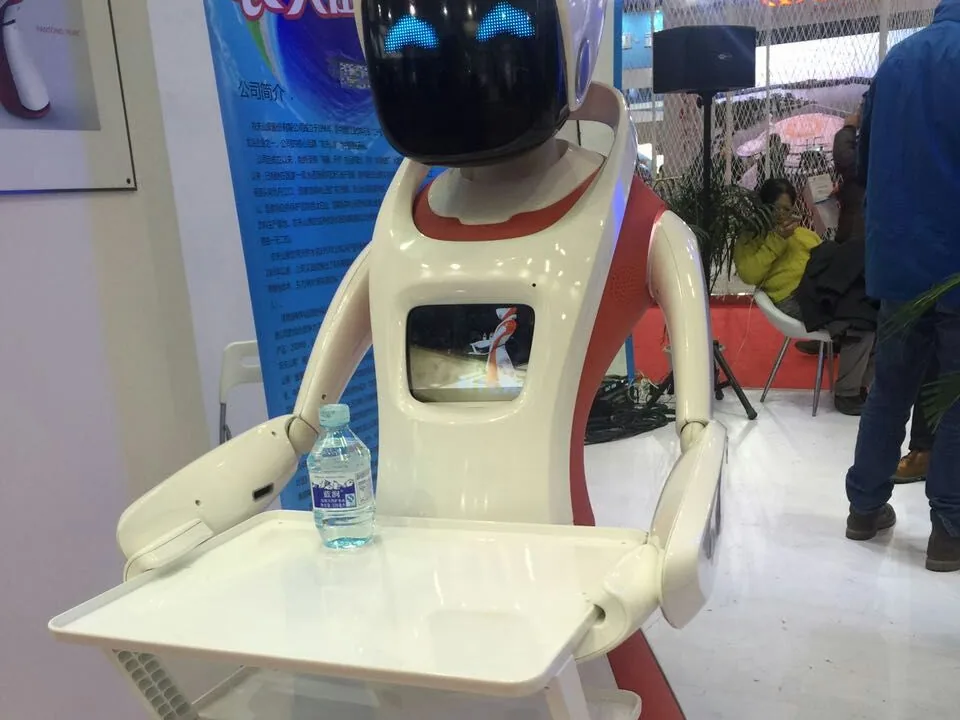
Commercial service platforms often need appearance-led housings, display openings and modular assemblies that remain practical to manufacture and maintain.
03 / Robotics Hardware References
Explore physical robot prototypes and hardware references highlighting enclosure design, articulated structures and mechanical integration.
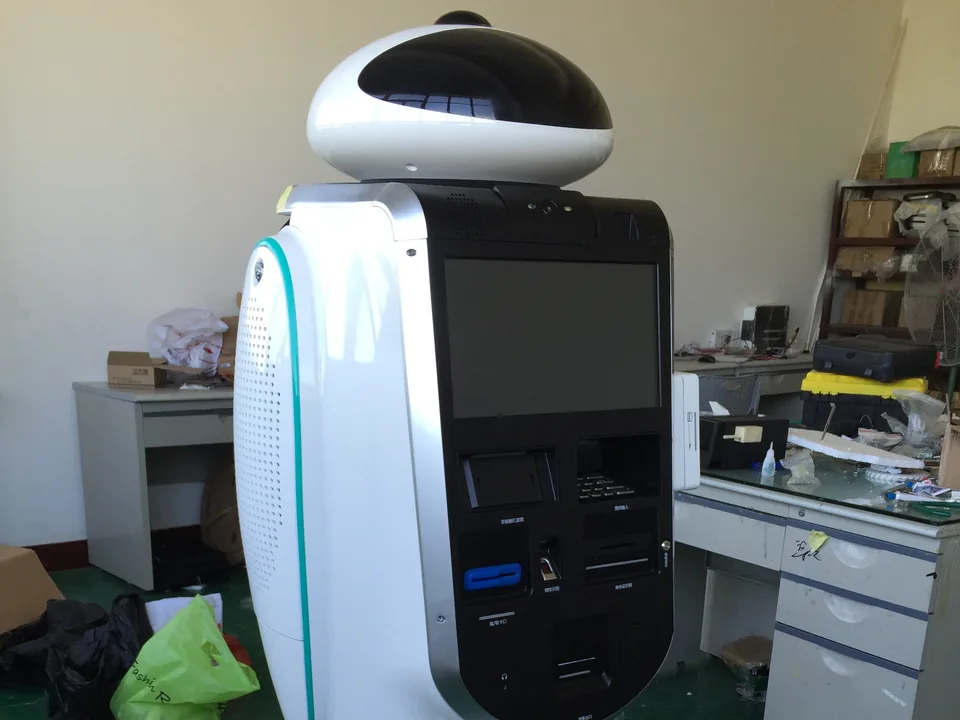
Tall service-robot enclosure with a rounded upper housing, large front panel and vented side shell.
Review display openings, external seams, access points and the interfaces connecting the enclosure to the internal frame.
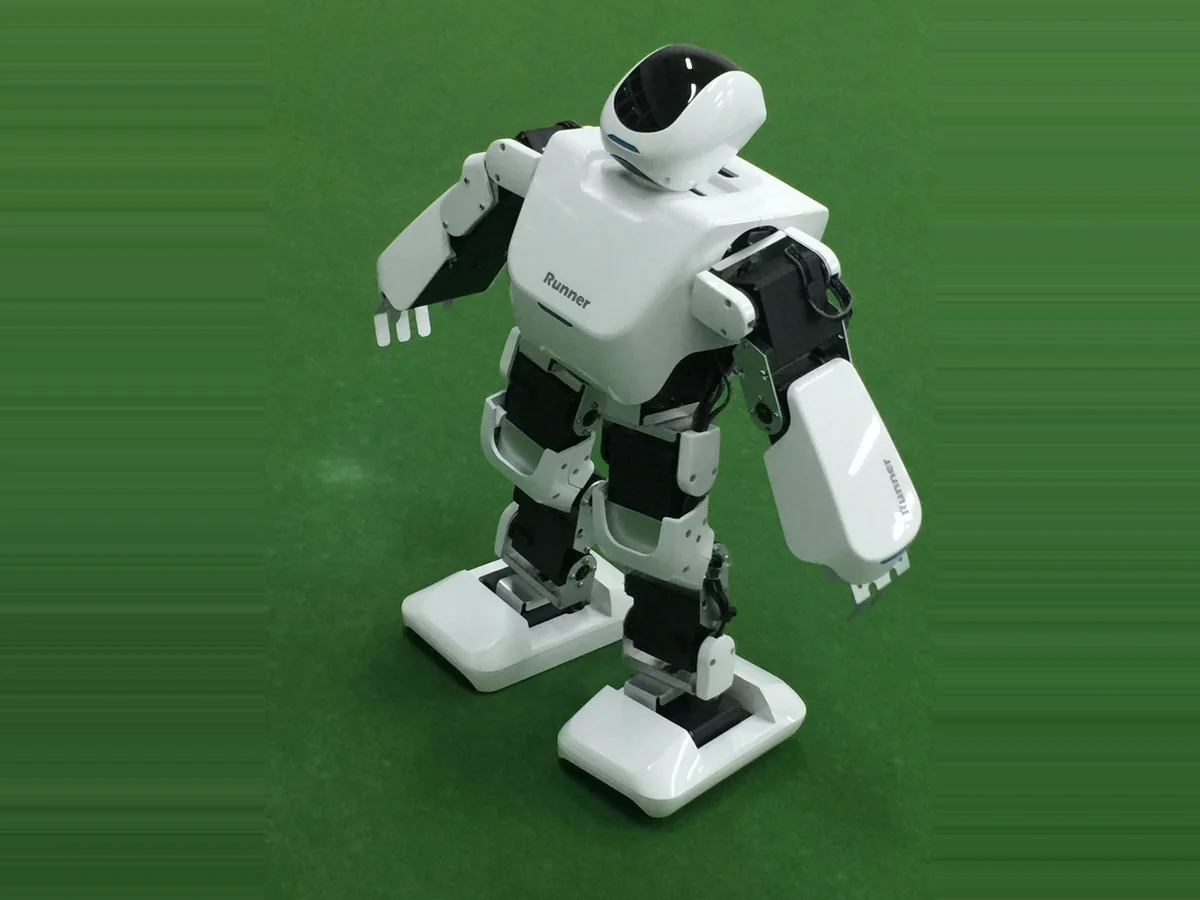
A physical humanoid robot prototype with articulated arms and legs, visible joint structures and broad foot platforms.
Joint clearances, mechanical interfaces and enclosure-to-structure fit.
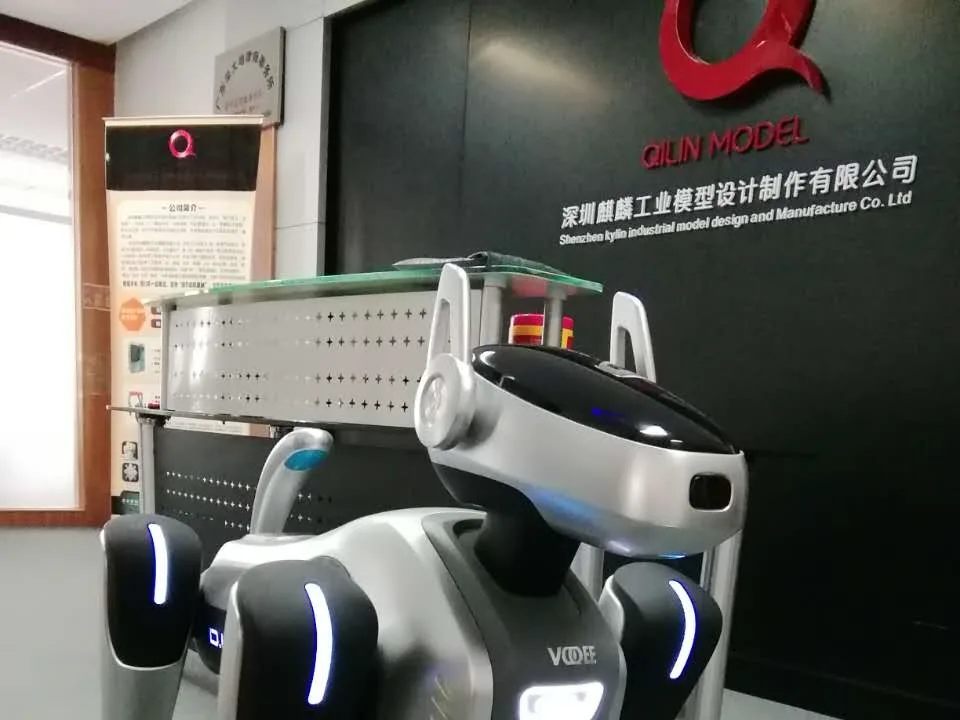
Quadruped platform with a compact central body, curved outer shell and four articulated leg assemblies.
Coordinate the central housing, sensor openings and leg-interface clearances against the approved assembly data.
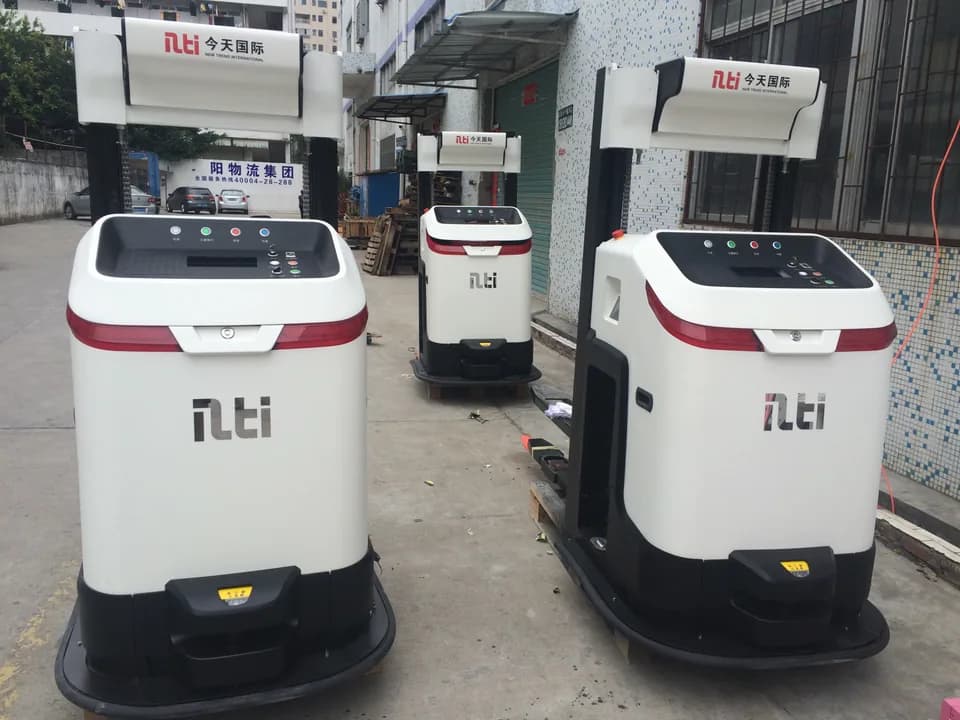
Group of mobile robot enclosures with upright bodies, control panels and protected lower chassis structures.
Confirm access-panel strategy, chassis interfaces, control openings and clearance around the mobile base.
04 / Engineering Considerations
Robotics prototype manufacturing starts with how every mechanical part locates, moves, protects internal systems and remains accessible for assembly and service.
Identify the faces, hole patterns and datums that locate housings, frames and subassemblies in the final robot assembly.
Define joint envelopes and actuator interfaces so covers, brackets and adjacent moving structures retain the required clearance.
Document the size, orientation and locating references for sensor, lens, display and camera openings before manufacturing.
Reserve practical paths and access points for cables, connectors and strain relief without assuming the final electrical architecture.
Review wall transitions, ribs, brackets and load paths against the intended mechanical role and chosen manufacturing process.
Plan removable covers, fastener access and maintenance clearances around components that may need inspection or replacement.
Control visible seams, mating edges, panel alignment and fastening strategy where exterior housings meet the internal structure.
Use released CAD and drawings to identify critical dimensions, datums and inspection expectations for each manufactured part.
05 / Manufacturing Processes
Process selection follows geometry, material, quantity and validation stage. The six routes below support different parts of a robotics prototype or custom hardware program.
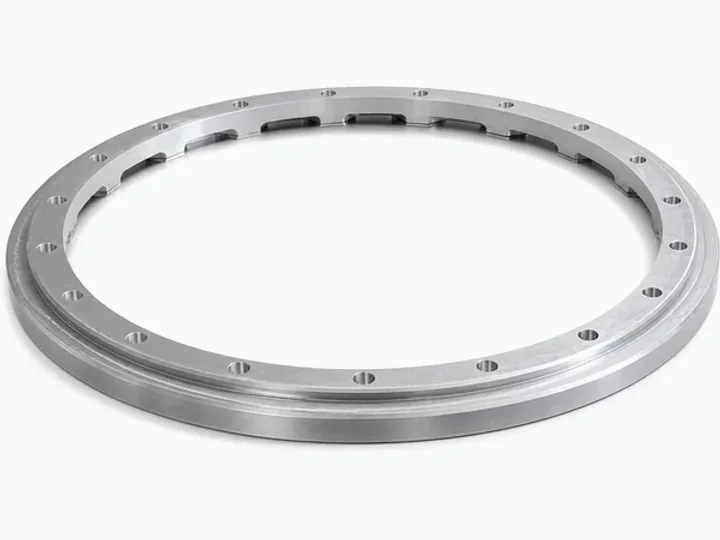
Machine structural parts, brackets, housings and precision interfaces from approved 3D data and controlled drawings.
Explore CNC Machining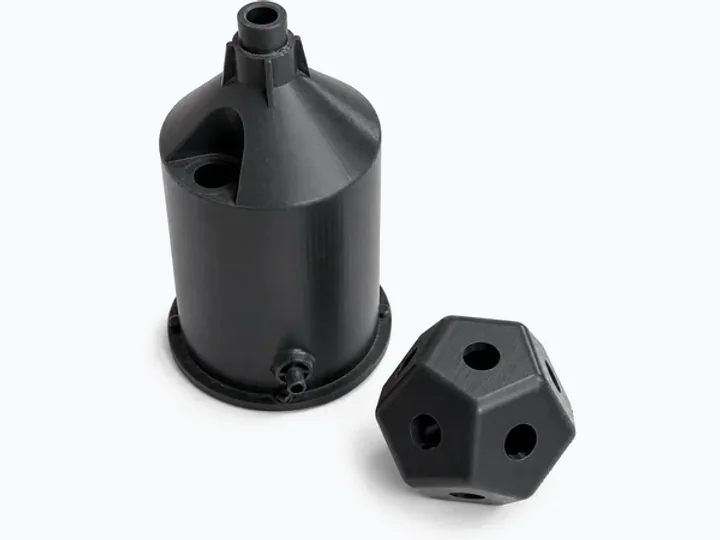
Create physical robot prototypes and complex development geometry for fit, handling and assembly review while designs evolve.
Explore 3D Printing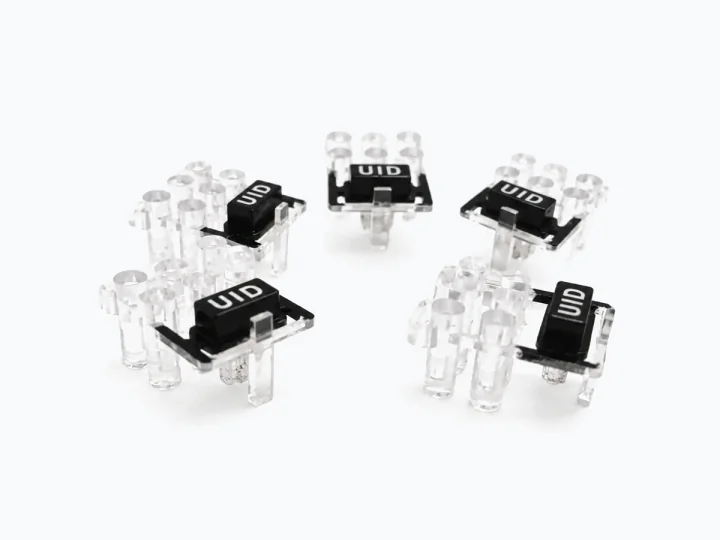
Replicate an approved master through silicone tooling when a project needs a small set of similar polyurethane prototype parts.
Explore Vacuum Casting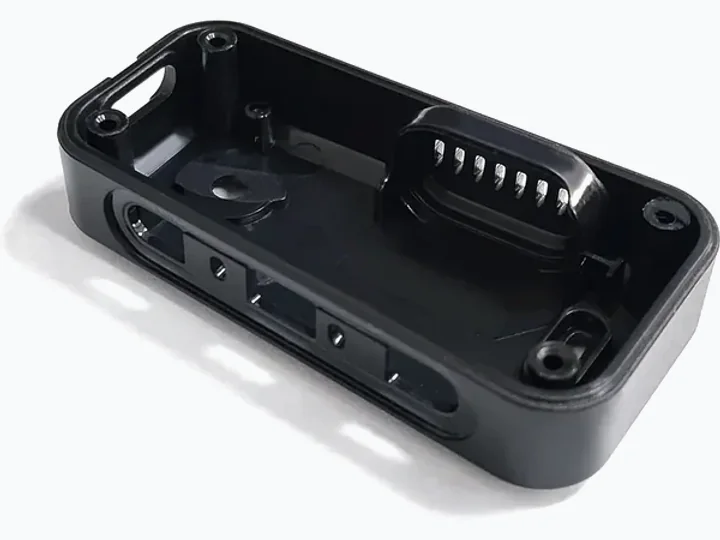
Review repeat thermoplastic housings and components when geometry, material strategy and demand justify dedicated mold tooling.
Explore Injection Molding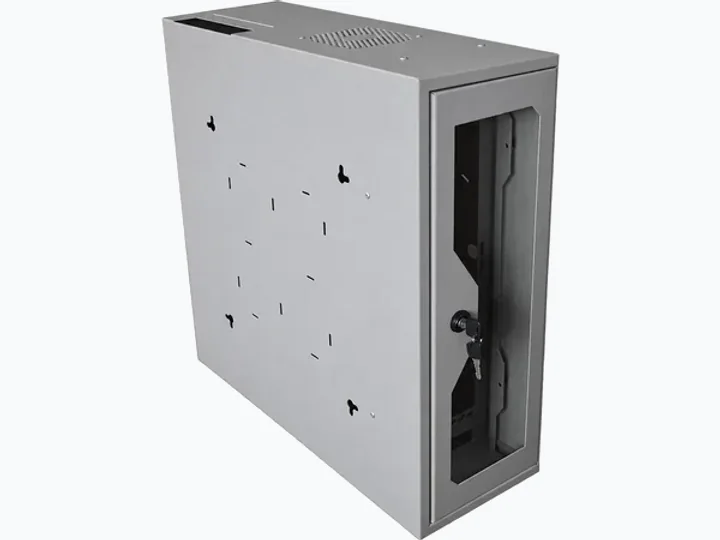
Form chassis panels, brackets and fabricated enclosures with controlled openings, bends and assembly interfaces.
Explore Sheet Metal Fabrication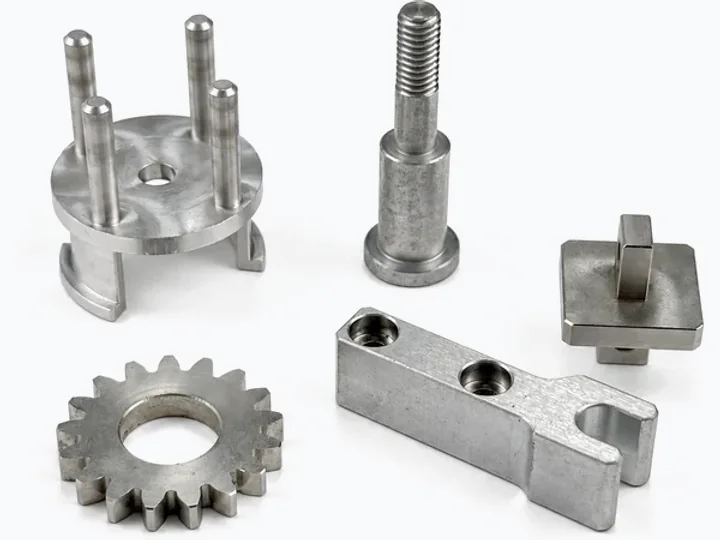
Coordinate preparation, masking, appearance and dimensional allowances with the base material and functional interfaces.
Explore Surface Finishing06 / Materials & Finishes
Material and finish choices are confirmed from the functional requirement and selected manufacturing route. No material, performance or finish is inferred from the robotics photographs.
Final metal selection should follow the released drawing, structural role, mass target, wear environment and finish requirements.
Polymer selection depends on geometry, intended validation, appearance and functional requirements; no photographed product material is inferred.
Finish compatibility and dimensional allowance are confirmed against the selected material, mating features and approved project documentation.
07 / Prototype to Production
A controlled path keeps design data, physical fit, inspection feedback and low-volume planning aligned as the robotics project matures.
Share 3D CAD, dimensioned drawings, expected quantity and the interfaces that matter in the robot assembly.
Review geometry, validation purpose, material preferences and project stage before selecting a manufacturing route.
Fabricate physical development parts using the agreed data, process and project-specific review criteria.
Evaluate mounting, clearance, moving interfaces, access and identified dimensions against the approved information.
Incorporate approved findings and review the appropriate route for low-volume or repeat manufacturing.
08 / Engineering FAQ
Practical answers for engineering and procurement teams preparing robotics prototypes, custom housings and machined parts for review.
ROBOTICS HARDWARE DEVELOPMENT
Share your CAD files, drawings, quantity and project requirements for a manufacturing review.
Upload Drawings & Request a Quote