3D Printing Process Overview
Compare SLA with the other additive manufacturing processes currently supported by HERUIYUN.
Explore service
Detailed photopolymer-resin parts for appearance models, design verification and fit-and-assembly evaluation.
Smooth visual surfaces · Complex or freeform geometry · One-off prototypes and reviewed low-volume production
Request an SLA Quote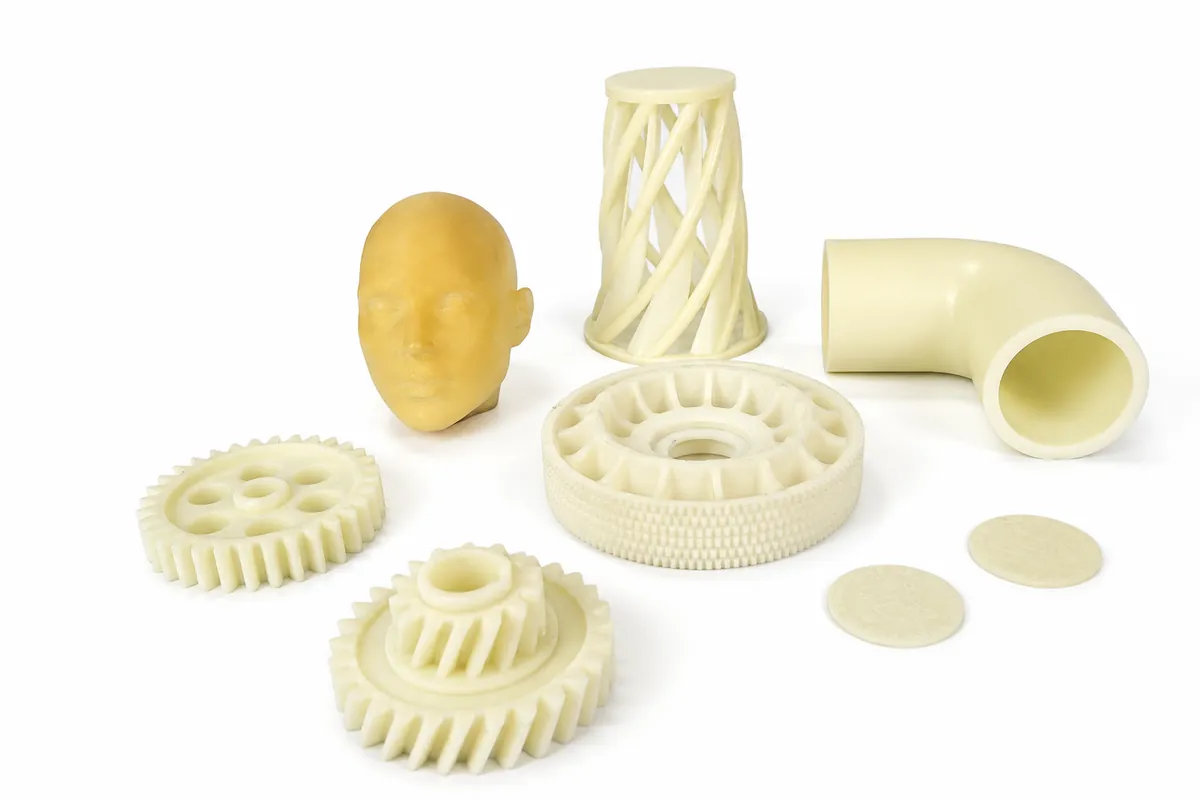
Stereolithography is selected where visual detail, smooth surface character and complex prototype geometry carry more weight than a production-material match.
These references support initial process selection. Final production requirements are confirmed against the submitted model and controlled drawing.
Actual tolerance varies by part size, geometry, build orientation and finishing requirements.
Resin selection follows the visual, functional and finishing priorities identified during engineering review.
White / Gray / Black / Translucent / Clear
A versatile resin family for visual prototypes, geometry review and appearance-focused models.
Translucent White
A resin option considered where a tougher, more compliant prototype response is required.
Translucent / Clear
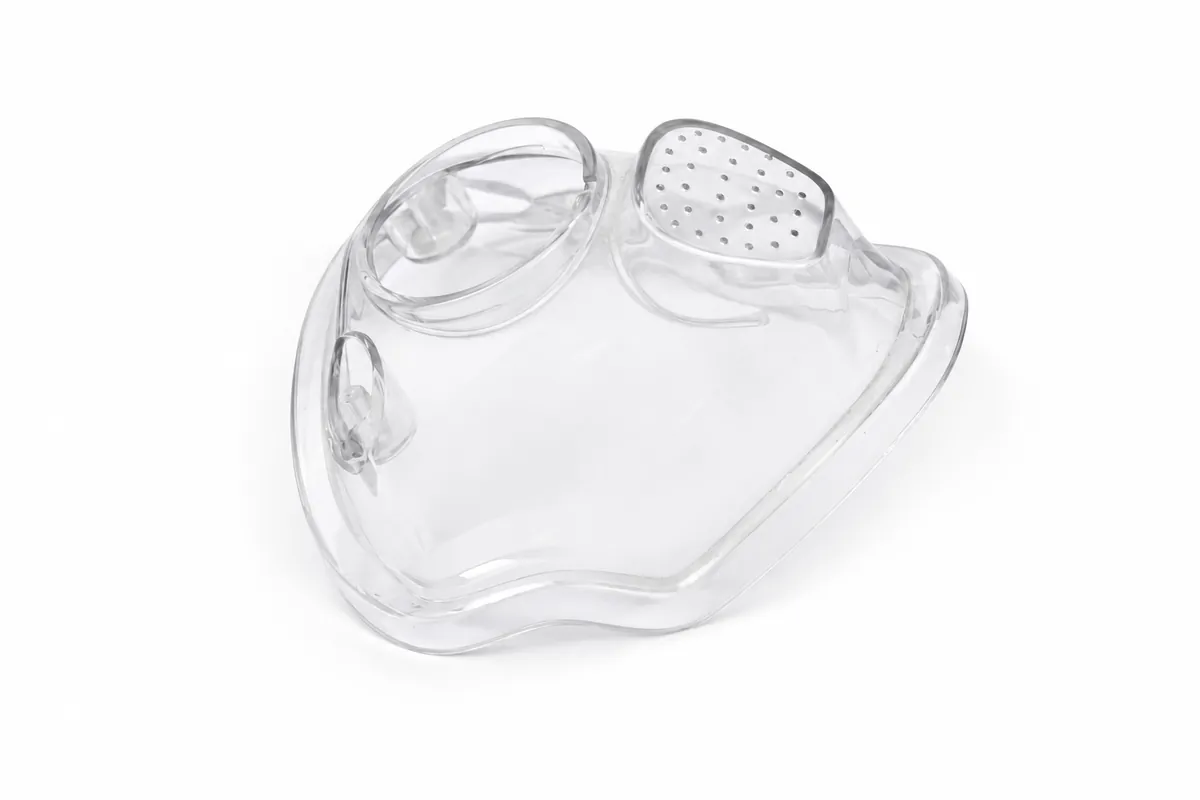
For transparent or translucent prototypes where visual access and appearance evaluation are priorities.
Project review required
A project-specific resin route reviewed against geometry, application and finishing requirements.
Project review required
A flexible resin route considered for parts that require elastomer-like prototype behavior.
Confirmed during engineering review
Additional resin systems are evaluated against the submitted model and intended application.
Finishing is selected around resin compatibility, accessible geometry and the required cosmetic result.
Refines accessible surfaces and support-contact areas where the part geometry permits.
Adds a project-specific cosmetic color and surface appearance after compatible preparation steps.
Provides a metallic appearance on compatible resin parts when the geometry and finishing route are suitable.
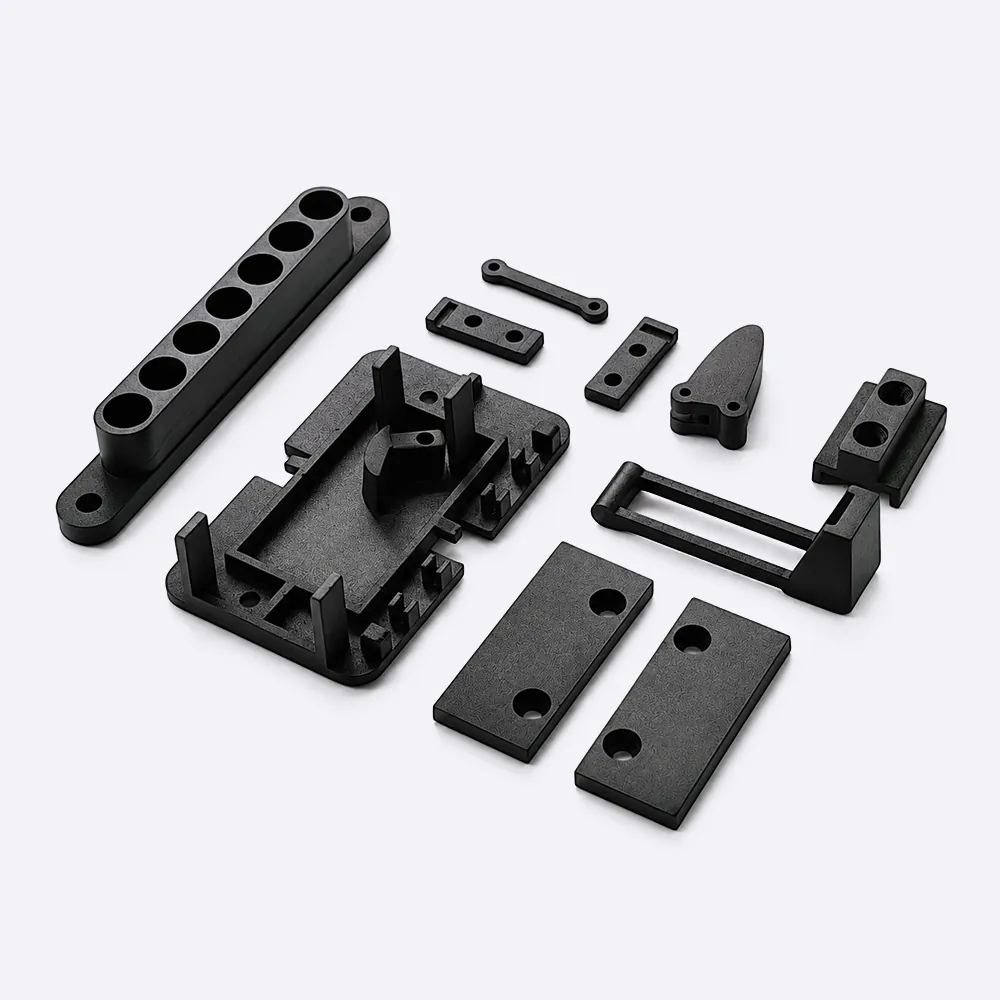
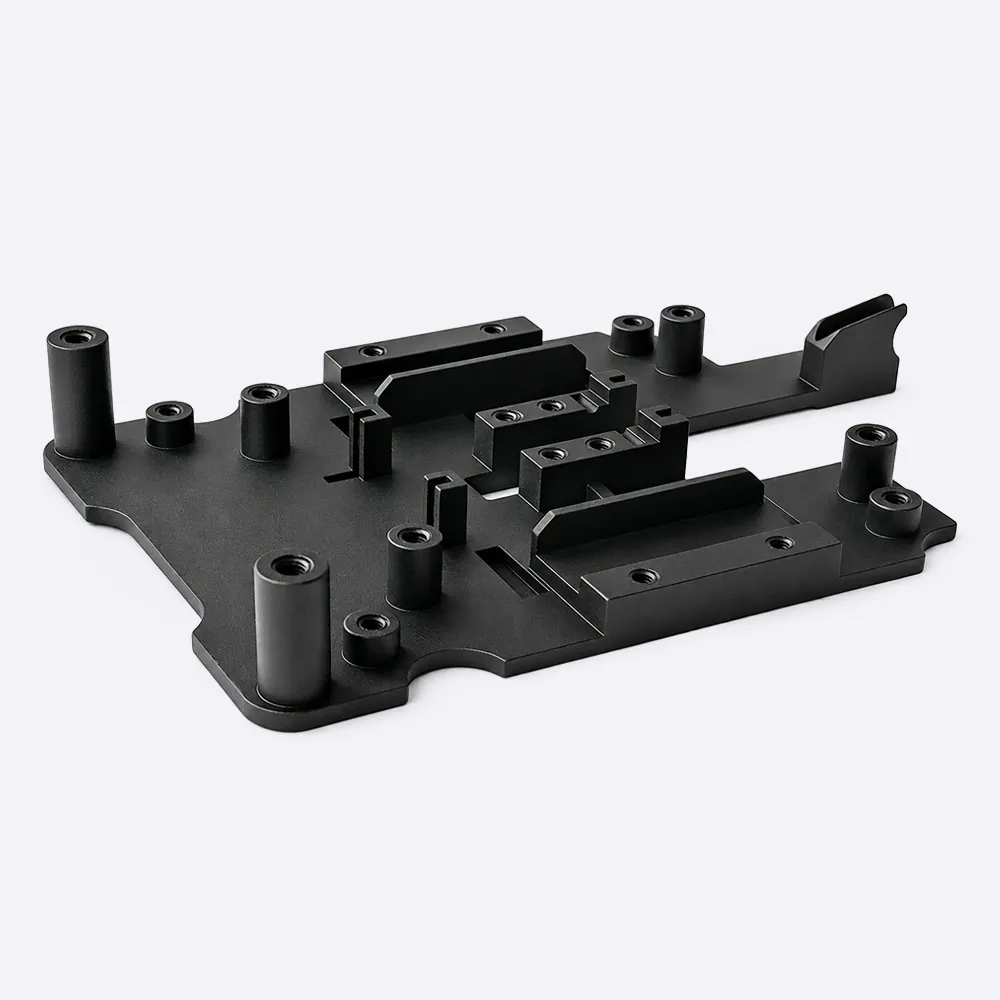
SLA supports design communication and physical evaluation before a project moves into its final manufacturing route.
Review external form, visual proportion and surface presentation before selecting a production route.
Evaluate detailed geometry and communicate design intent using a physical model.
Assess assembly relationships and interface intent before progressing to downstream manufacture.
Review the 3D model, intended use, resin direction, quantity and required finish.
Prepare the part orientation and support strategy around geometry and surface priorities.
Form the component layer by layer using a photopolymer resin process.
Complete cleaning, support removal, curing and any agreed finishing operations before inspection.
SLA design review is qualitative until the model, orientation and finish priorities are evaluated together.
Build orientation influences support placement, visible support-contact areas and the surfaces prioritized during finishing.
Complex cavities and enclosed geometry should be reviewed for resin drainage, cleaning access and support removal.
Fine details, thin transitions and freeform surfaces are assessed in the context of the complete part rather than isolated features.
Critical interfaces, appearance surfaces and finishing expectations should be identified in the model, drawing or project notes.
Inspection follows the agreed drawing requirements, appearance expectations and post-processing scope for the project.
Check agreed dimensions against the submitted drawing using an inspection method appropriate to the part.
Review visible build condition, support-contact areas and agreed cosmetic expectations.
Confirm that agreed sanding, painting or plating requirements have been completed for the selected route.
Provide project-specific inspection records only when their scope is agreed during engineering review.
Approved resin imagery showing detailed geometry, transparent prototypes and completed cosmetic finishes.
Practical guidance on process fit, resin selection, dimensions, finishing and downstream manufacturing.
Upload the 3D model, drawing, quantity and finishing requirements for engineering review and quotation.