
Manufacture functional thermoplastic parts using Fused Deposition Modeling for engineering prototypes, manufacturing aids and reviewed low-volume production applications.
FDM builds components by heating thermoplastic material and depositing it through a controlled nozzle layer by layer according to the digital model.
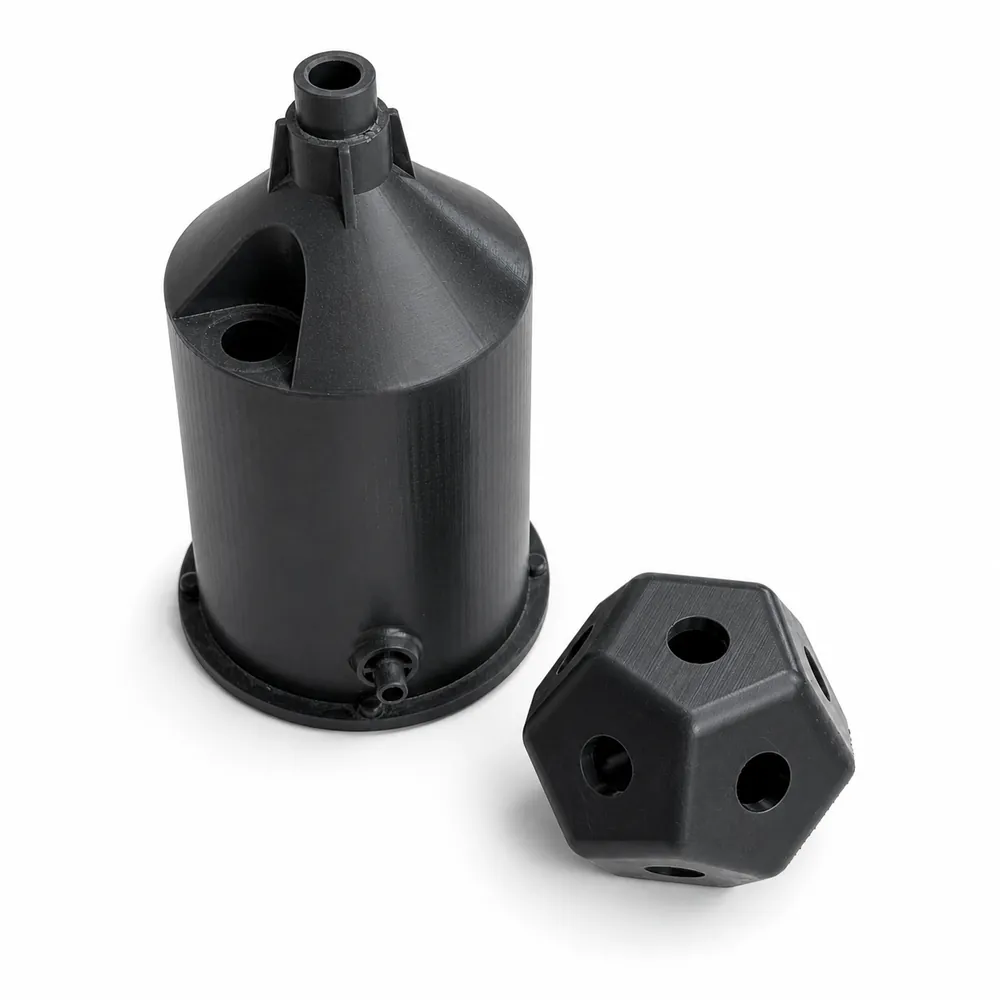
FDM is selected where engineering thermoplastics, practical prototype validation and customized production tooling support the manufacturing objective.
Produce functional components using thermoplastic material routes selected according to mechanical, environmental and application requirements.
Manufacture physical parts for fit checks, assembly evaluation and functional engineering validation before committing to conventional production.
Create custom jigs, fixtures, guides and manufacturing aids for production and assembly environments.
Build complex and customized thermoplastic geometry without dedicated molding tooling.
Capabilities are reviewed around material selection, deposited-layer direction, support strategy, functional loading and downstream operations.
Final capability depends on the selected material route, geometry, build orientation, support strategy, functional requirements and downstream operations confirmed during engineering review.
Material selection follows functional behavior, geometry, operating conditions and current FDM production availability.
Material route and grade confirmed during project review
Versatile thermoplastic routes for functional prototypes, housings, fixtures and general engineering applications.
Material route and grade confirmed during project review
Engineering polymer options that may be evaluated for components requiring durability, flexibility or repeated mechanical use.
Current production availability confirmed per project
Higher-performance thermoplastic routes may be reviewed for demanding functional components according to project requirements.
Compatibility and availability reviewed before quotation
Flexible polymers and other compatible FDM materials may be evaluated according to geometry, application and current production availability.
Material availability, grade and final suitability are confirmed during project review.
FDM supports industrial validation, production tooling and selected repeat requirements where the thermoplastic route fits the application.
Thermoplastic components for fit, assembly and functional engineering evaluation.
Customized manufacturing aids for positioning, holding, guiding and assembly operations.
Functional covers, housings and protective structures with integrated mounting geometry.
Lightweight custom tools supporting production, assembly and inspection workflows.
Reviewed ducts, brackets and other functional polymer components with application-specific geometry.
Selected thermoplastic components for repeat low-volume production following engineering review.
CAD geometry, material requirements, build orientation and functional objectives are reviewed.
The model is prepared for printing and required support structures are generated according to geometry and orientation.
Thermoplastic material is heated and extruded through a controlled nozzle.
Material is deposited along programmed toolpaths and each layer bonds to the previously deposited material.
Temporary support material is removed after printing where required.
Selected secondary finishing and inspection operations are completed according to project requirements.
FDM design review aligns geometry with deposited-layer direction, temporary supports and functional loading before production.
Part orientation influences support requirements, visible surface condition and functional behavior and should be reviewed before production.
Functional loading should be considered relative to the deposited-layer direction when evaluating critical features and structural requirements.
Overhangs, cavities and recessed features should consider whether required support material can be effectively removed after printing.
Thin walls, small features and local geometry should be reviewed according to the selected material, build orientation and printing route.
Final recommendations depend on material, geometry, build orientation and functional requirements.
FDM uses controlled material extrusion, while SLS and MJF manufacture components within a polymer powder bed.
FDM may require dedicated support structures depending on geometry and orientation, whereas surrounding powder generally supports parts during SLS and MJF production.
The appropriate process should be selected according to geometry, material, quantity, functional requirements and finishing expectations.
Post-processing is selected around support strategy, thermoplastic compatibility, functional interfaces and final appearance requirements.
Applied where geometry requires temporary supports
Breakaway or compatible soluble support structures are removed after printing where required.
Material and geometry compatibility reviewed
Mechanical surface preparation may be used to reduce visible layer texture before further finishing.
Compatible routes evaluated per thermoplastic
Compatible smoothing routes may be evaluated according to the selected thermoplastic and final appearance requirements.
Preparation and coating compatibility confirmed
Selected printed components may be prepared and painted where compatible with the material and intended application.
Functional interfaces reviewed before selection
Threaded inserts, fasteners and assembly operations may be reviewed for functional components.
Selected interfaces and access reviewed
Drilling, trimming or selected machining operations may be evaluated where functional interfaces require additional finishing.
Post-processing availability depends on material, geometry and functional requirements.
Approved process-neutral polymer imagery showing functional housings and integrated engineering geometry while dedicated FDM photography is prepared.
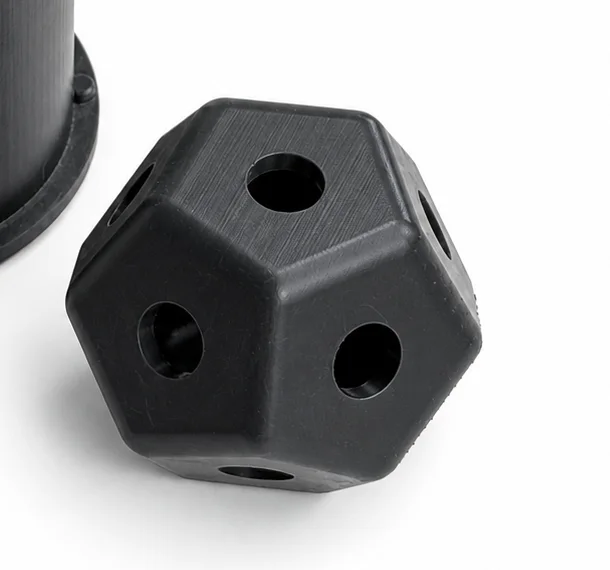
Practical guidance on material routes, temporary supports, functional prototypes, tooling, orientation and downstream operations.
Upload your CAD model or technical drawing for review of geometry, material requirements, quantity and the appropriate manufacturing route.