
Powder-bed polymer parts for functional prototypes, complex housings, fixtures and reviewed low-volume production.
Nylon / PA routes · No dedicated support structures · Natural powder-bed surface character
Request an SLS Quote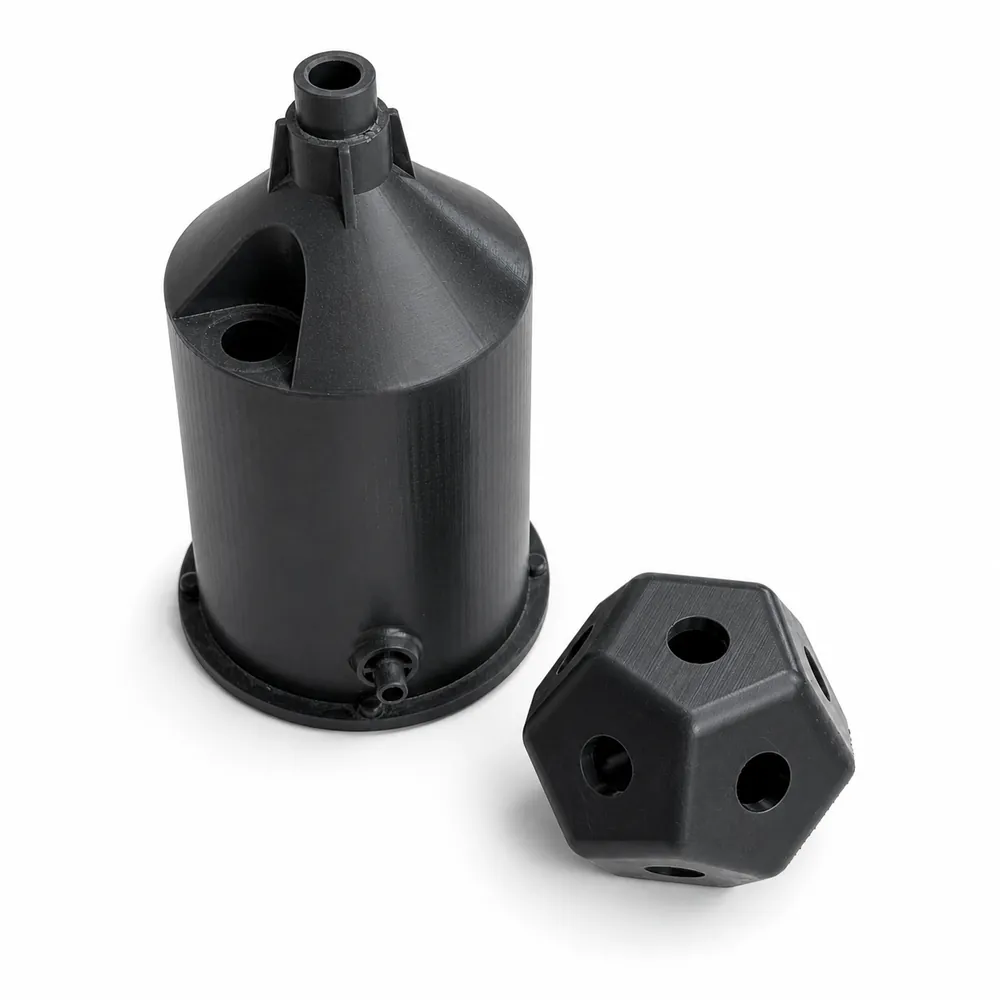
Selective Laser Sintering is selected where functional polymer behavior, complex tool-less geometry and production flexibility matter more than a smooth presentation surface.
These qualitative references support initial process selection without replacing model, material and drawing review.
Final capability depends on part geometry, feature relationships, build packing, the selected powder system, finishing scope and critical requirements identified in the drawing.
Material selection follows the intended use, part response, geometry and finishing requirements identified during engineering review.
Availability confirmed during engineering review
A general engineering-polymer route for functional prototypes and complex tool-less geometry.
Project and machine availability reviewed
A powder-bed nylon route considered for housings, fixtures, snap-fit features and low-volume functional parts.
Project and machine availability reviewed
An alternative nylon route evaluated where the intended part response and application support its selection.
Where available for the selected process route
A compliant polymer option reviewed against geometry, flexibility expectations and the intended operating environment.
Confirmed after model and application review
Additional powder-bed polymer options are assessed only when their process fit and supply route are confirmed.
SLS is useful where a physical polymer part must support design decisions, assembly work or a reviewed low-volume requirement.
Produce complex polymer housings and protective enclosures without dedicated support structures inside the powder bed.
Create assembly aids, locating fixtures and manufacturing-support components for engineering evaluation.
Evaluate interlocking features and snap-fit intent after the complete geometry and use conditions are reviewed.
Support functional prototypes and selected low-volume parts where the material and finish match the application.
Review the 3D model, application, critical interfaces, material direction, quantity and finish requirements.
Prepare orientation and build packing around geometry, powder removal access and production efficiency.
Selectively sinter each polymer-powder layer while the surrounding powder supports the developing parts.
Cool, recover and remove powder before the agreed finishing, secondary operations and inspection steps.
Finishing is selected around material compatibility, accessible geometry, dimensional priorities and the required appearance.
Standard preparation route where appropriate
Removes residual powder and evens the natural powder-bed surface where the geometry permits.
Compatible materials and colors reviewed per project
Adds color to suitable polymer parts while retaining the underlying printed geometry.
Process compatibility reviewed
Refines the as-built surface when the selected material, geometry and dimensional priorities allow it.
Preparation and coating scope confirmed during review
Provides a project-specific cosmetic surface after compatible cleaning and preparation operations.
Defined by controlled interfaces and final use
Machining, tapping or other secondary work can be reviewed for features that require additional control.
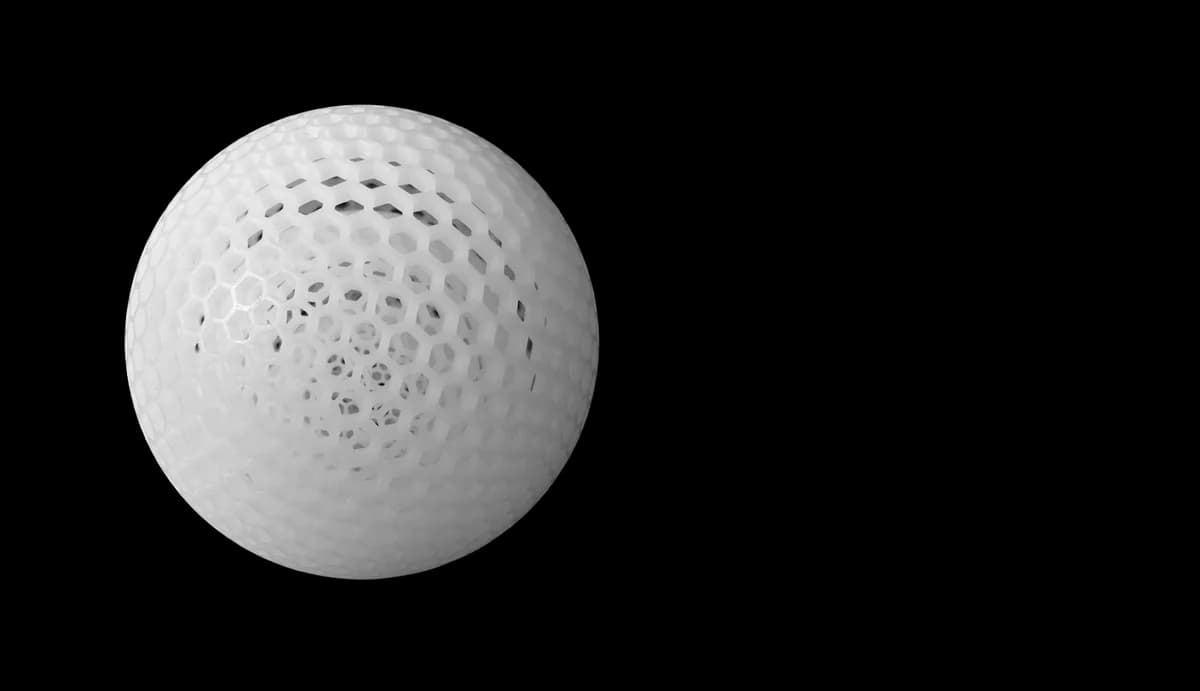
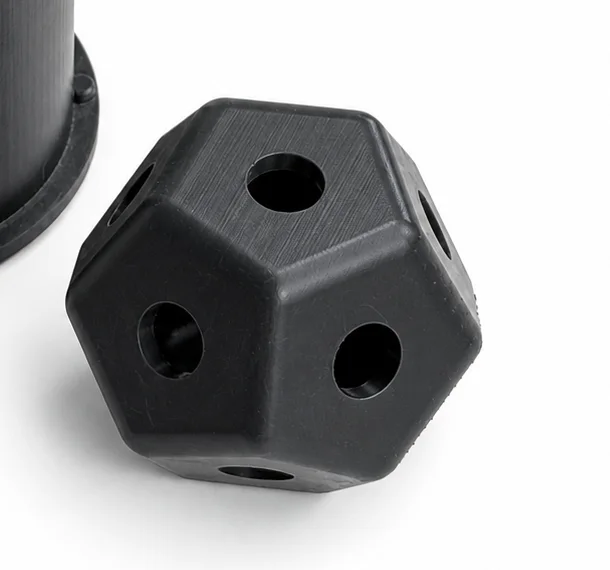
Approved polymer imagery showing functional housings, open lattice geometry and integrated component features.
Practical guidance on process fit, polymer routes, surface character, functional use and secondary operations.
Upload the 3D model, drawing, quantity, material direction and finishing requirements for engineering review and quotation.