
Aluminum Alloys
Grade examples
- 5052
- 6061
- Project-specific
Useful for lightweight panels, brackets and enclosure blanks. Cut and downstream bend suitability depend on alloy, temper and thickness.
Cut custom profiles, holes, slots, vents and flat-pattern geometry from engineering sheet metal before forming, joining and finishing.
HERUIYUN reviews material, thickness, feature geometry, edge requirements and downstream manufacturing intent before confirming the laser-cutting route.
Get a Laser Cutting Quote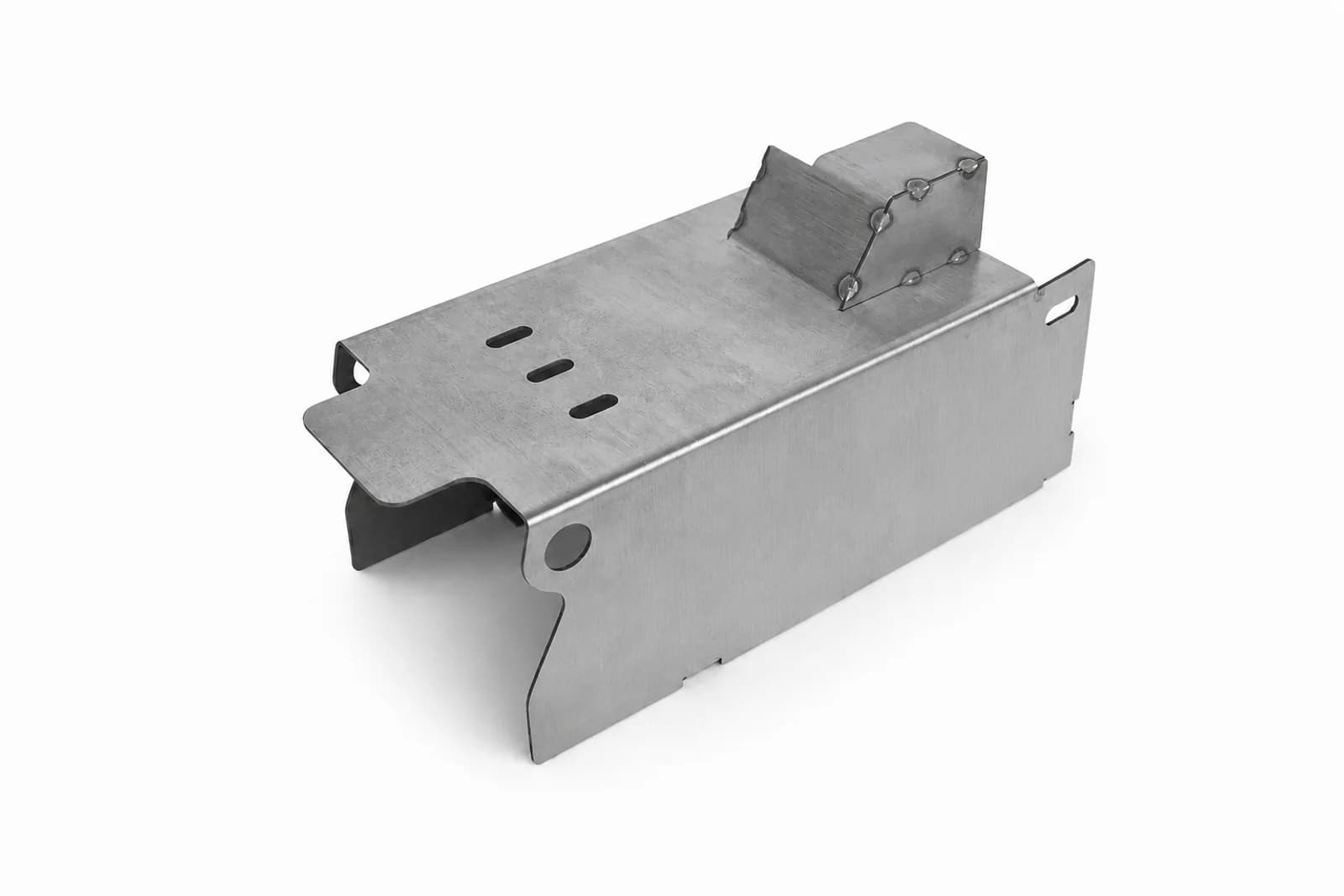
Laser cutting is well suited to sheet-metal parts whose value begins with accurate flat profiles, internal openings and repeatable feature geometry before later forming or assembly.
Produce custom flat profiles and cut features without dedicated stamping dies for many prototype and repeat-production applications.
Combine outer contours, holes, slots, vents, notches and relief features in one reviewed flat-pattern route.
Revise flat geometry as the design matures without rebuilding dedicated profile tooling where the selected manufacturing route allows.
Move approved laser-cut blanks into bending, tapping, hardware insertion, welding and finishing within a coordinated sheet-metal project.
Cut strategy depends on material, thickness, feature scale, edge requirements and whether the blank will later be bent, joined, finished or assembled.
Create external profiles, internal openings and custom flat geometry from approved sheet stock.
Produce mounting holes, elongated slots, ventilation patterns and repeated openings subject to feature-size and spacing review.
Prepare locating, forming, interlocking and assembly features that must remain manufacturable at the selected material thickness.
Coordinate compatible secondary work where the drawing requires additional flat-part preparation before forming or assembly.
Material grade, temper, thickness, surface condition and availability are confirmed during engineering review because cut quality, fine-feature capability and downstream forming behavior vary by project.
Grade examples
Useful for lightweight panels, brackets and enclosure blanks. Cut and downstream bend suitability depend on alloy, temper and thickness.
Grade examples
Suitable for corrosion-resistant panels, brackets, covers and fabricated structures where material appearance or environmental durability matters.
Grade examples
A practical route for structural brackets, chassis, panels and fabricated parts that may later receive protective or cosmetic finishing.
Grade availability
Reviewed for project-specific conductive, shielding, decorative or functional requirements because reflective material behavior and thickness can affect the selected cutting route.
Material grade, thickness, stock form and laser-cut suitability are confirmed before quotation.
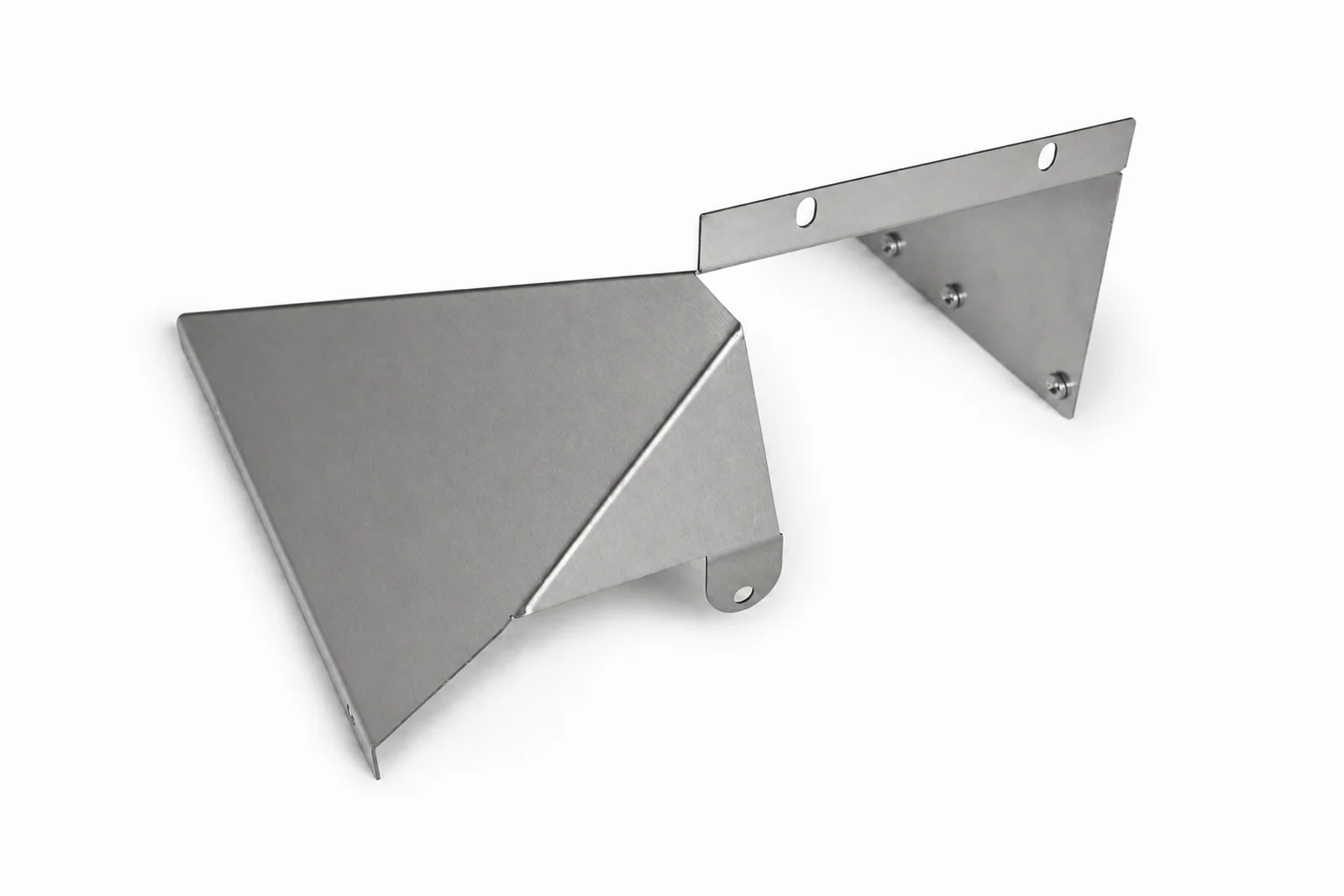
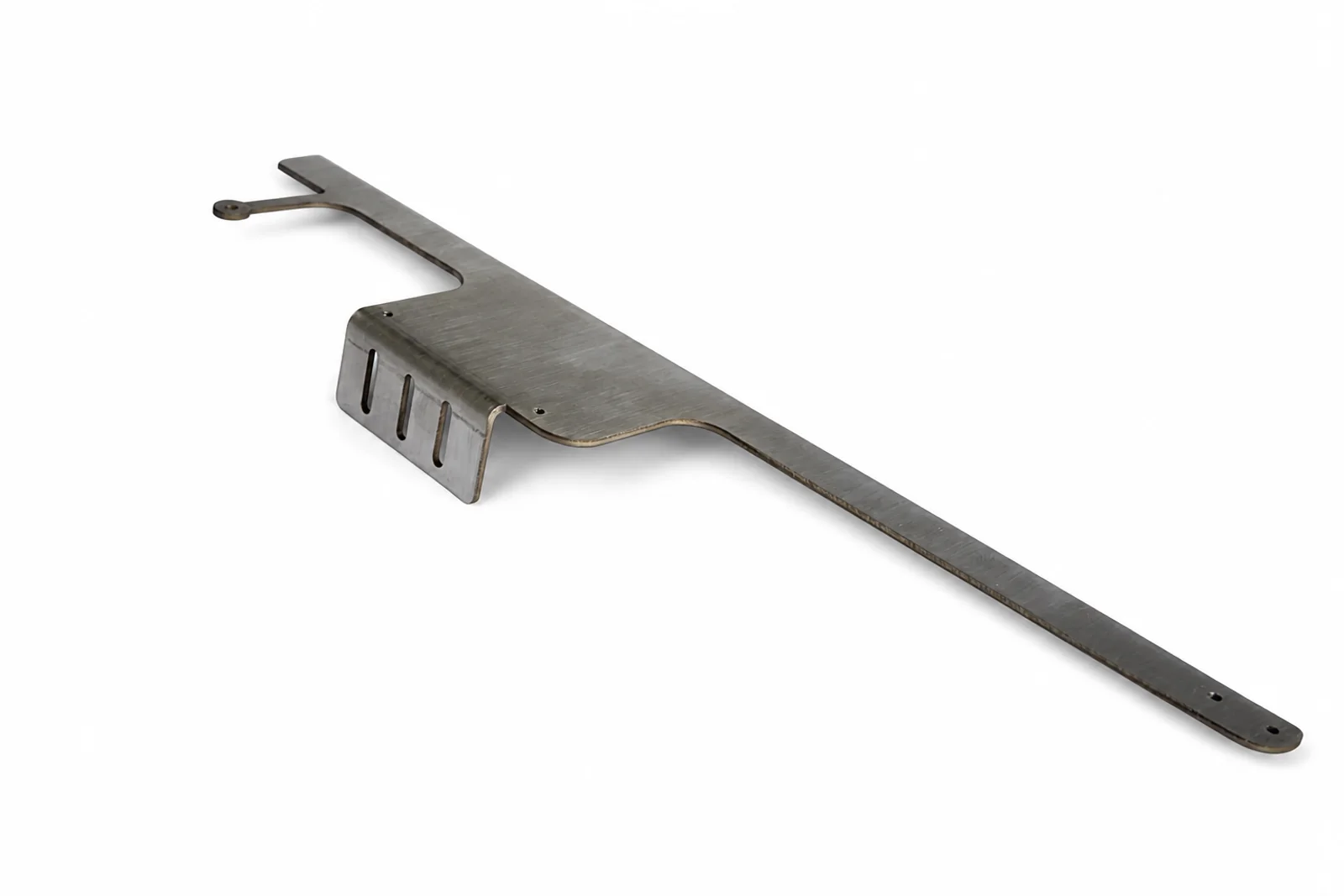
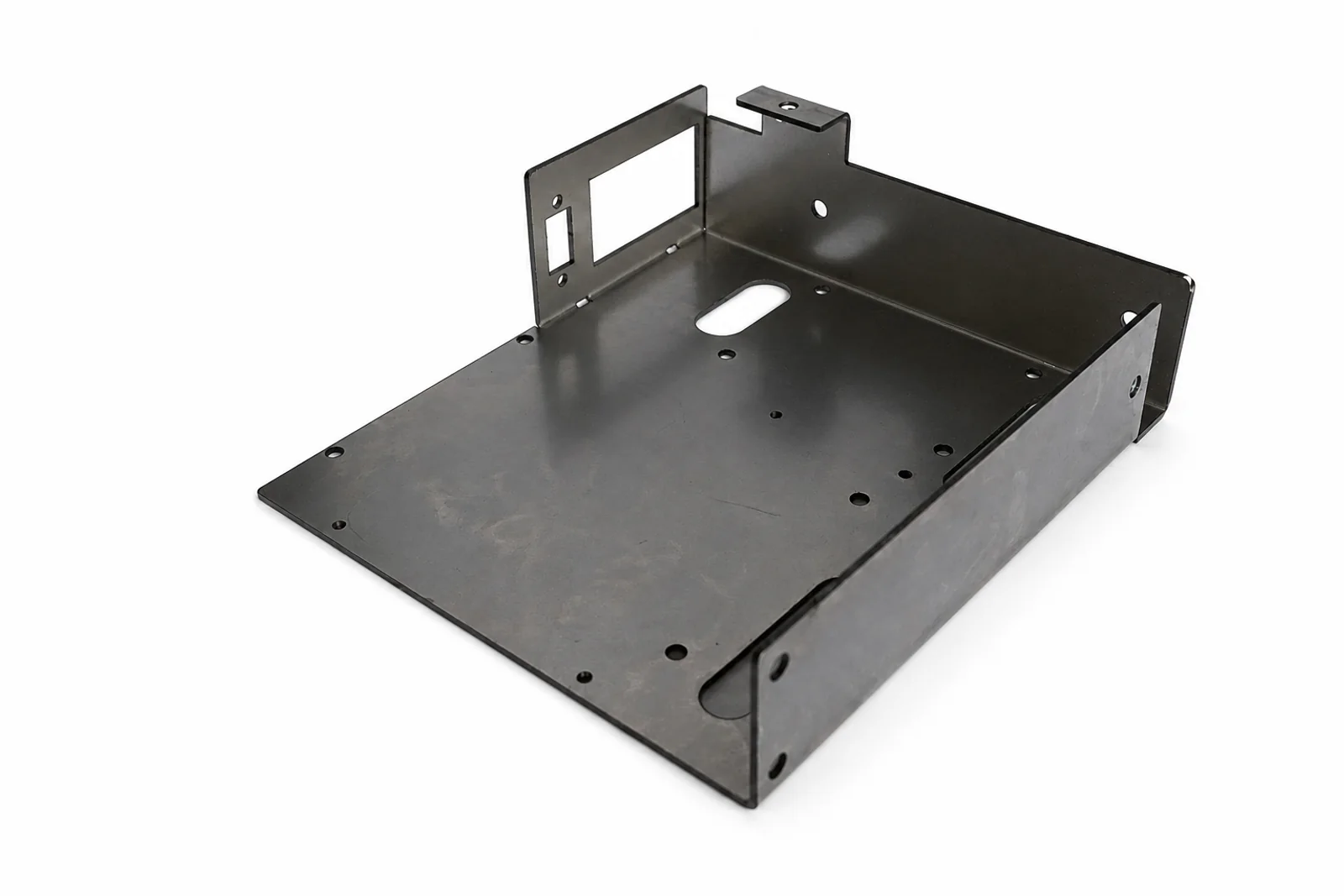
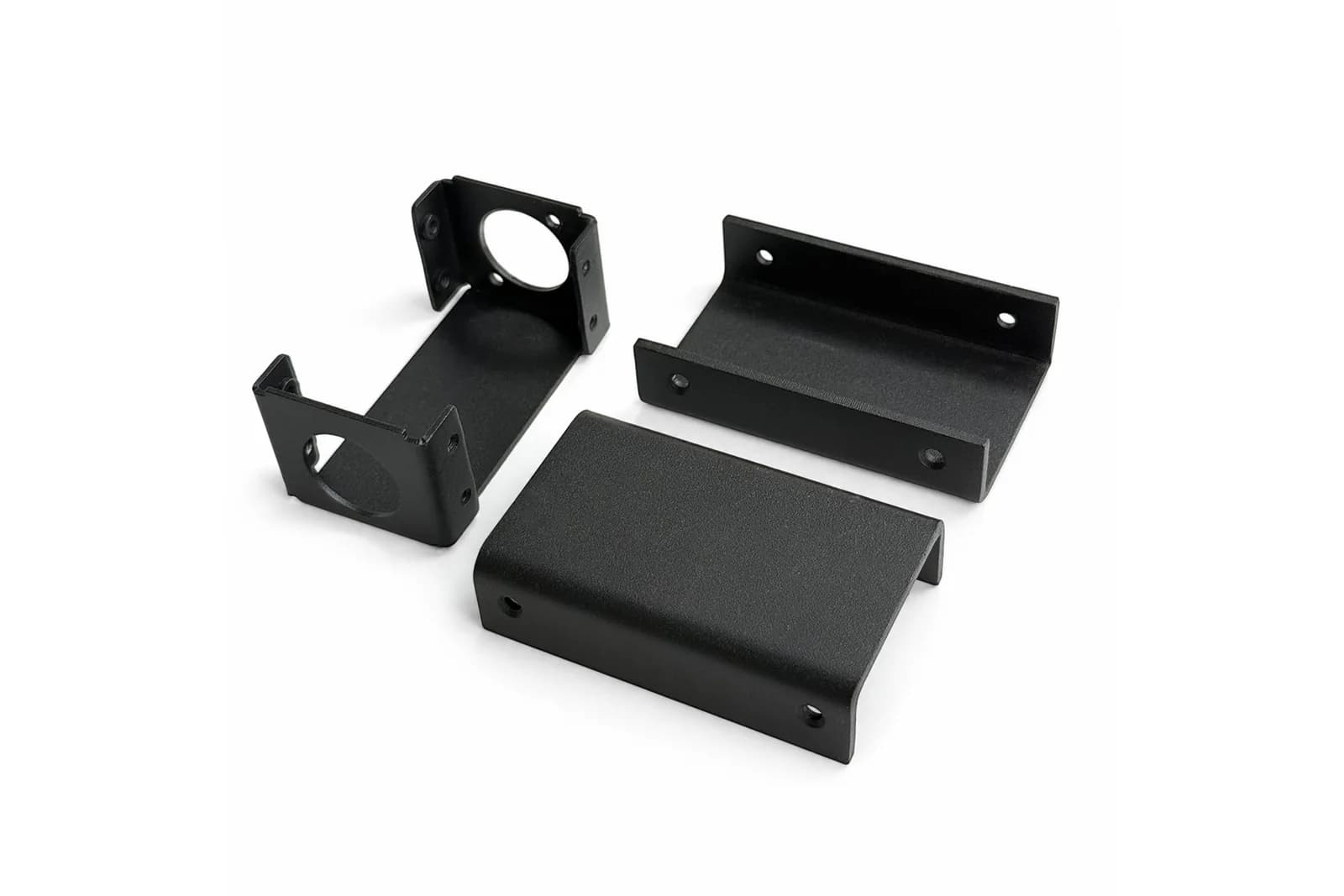
Mounting plates, supports, reinforcements and brackets prepared for direct use or later forming.
Equipment panels, control plates, covers and interface panels with custom openings.
Repeated holes, slots and airflow patterns for housings, guards and equipment panels.
Laser-cut flat patterns prepared for downstream CNC bending and enclosure assembly.
Equipment bases and installation plates with controlled hole and slot patterns.
Individual cut components prepared for welding into frames, housings and multi-part assemblies.
Review geometry, material, thickness, critical dimensions, fine features and downstream manufacturing intent.
Confirm sheet grade, thickness, surface condition and stock form before cutting.
Plan part orientation, cut sequence and material usage around geometry and project requirements.
Cut approved outer profiles and internal features according to the selected process route.
Perform the required edge cleanup or approved secondary flat operations before the next manufacturing stage.
Review specified cut features before shipment or transfer into bending, hardware, welding or finishing.
Clear model and drawing information improves quote quality and helps the cutting route account for every operation that follows.
STEP or other supported 3D CAD helps communicate overall part geometry and downstream forming or assembly intent.
Use a dimensioned drawing to identify critical tolerances, material, thickness, finish, threads, special edge requirements and inspection notes.
2D vector geometry may be useful for flat laser-cut profiles when scale, layers and intended cut contours are clearly defined.
Duplicate lines, unclear open contours, unoutlined text and conflicting drawing/CAD information can delay engineering review.
Current RFQ upload formats
Laser-cut manufacturability depends on the relationship between material thickness, cut width, feature size, feature spacing and the geometry that must remain after material is removed.
Very small holes, slots and details require review relative to material thickness and the selected cutting conditions.
Closely spaced cut paths can affect local heat input, remaining material strength and cut quality.
Holes and slots near an outer edge require enough remaining material to preserve geometry and downstream function.
Thin tabs, narrow bridges and relief features should be sized around material thickness and any later bending or assembly requirement.
Laser cutting removes a finite width of material along the programmed path. This kerf varies with material, thickness, equipment and cut conditions, so fine features and mating geometry require process-specific review.
The cut path has a physical width rather than an infinitely thin line.
Piercing and cut width can influence very small internal features.
Features approaching the practical cut width or leaving very little material may lose definition or stability.
Tabs, slots and nested mating features should be reviewed around the actual cut route rather than CAD nominal size alone.
HERUIYUN does not apply one universal kerf value to every material and thickness. Fine-feature capability is confirmed during engineering review.
Inspection follows drawing-defined critical features and the agreed manufacturing route.
The correct secondary route depends on whether the laser-cut part is a finished flat component or a blank for a larger formed and assembled product.
Practical guidance for file preparation, material selection, fine-feature review, edge condition and downstream fabrication.
Upload your CAD model or drawing for review of material, thickness, cut geometry, fine features, edge requirements and downstream operations.