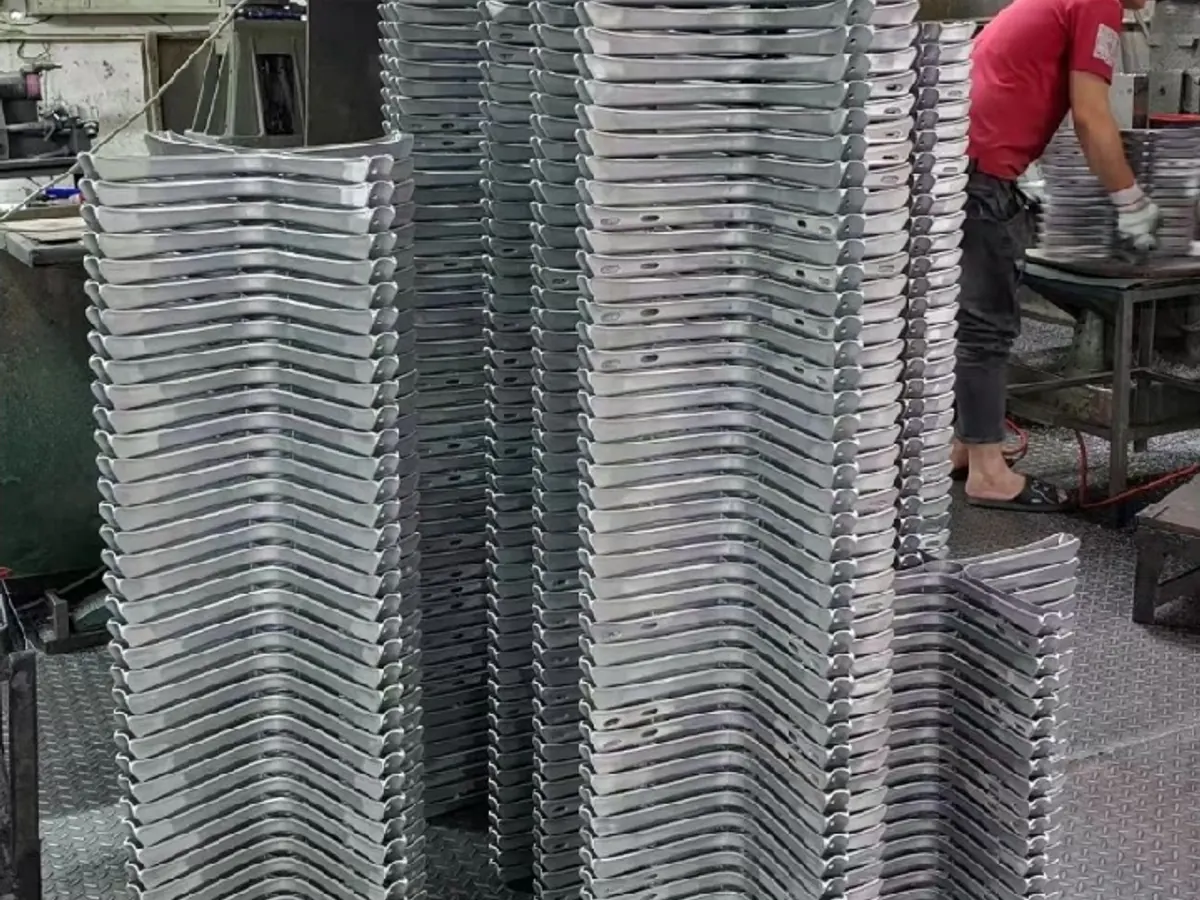
CNC Machining
precision metal/plastic parts, medium repeat quantities, no dedicated mold required.
MASS PRODUCTION
Production Readiness, Repeat Manufacturing & Scalable Part Supply
Move from approved parts into repeat production with manufacturing routes, tooling, inspection requirements and finishing coordinated around stable drawings and ongoing demand.
Get a Quote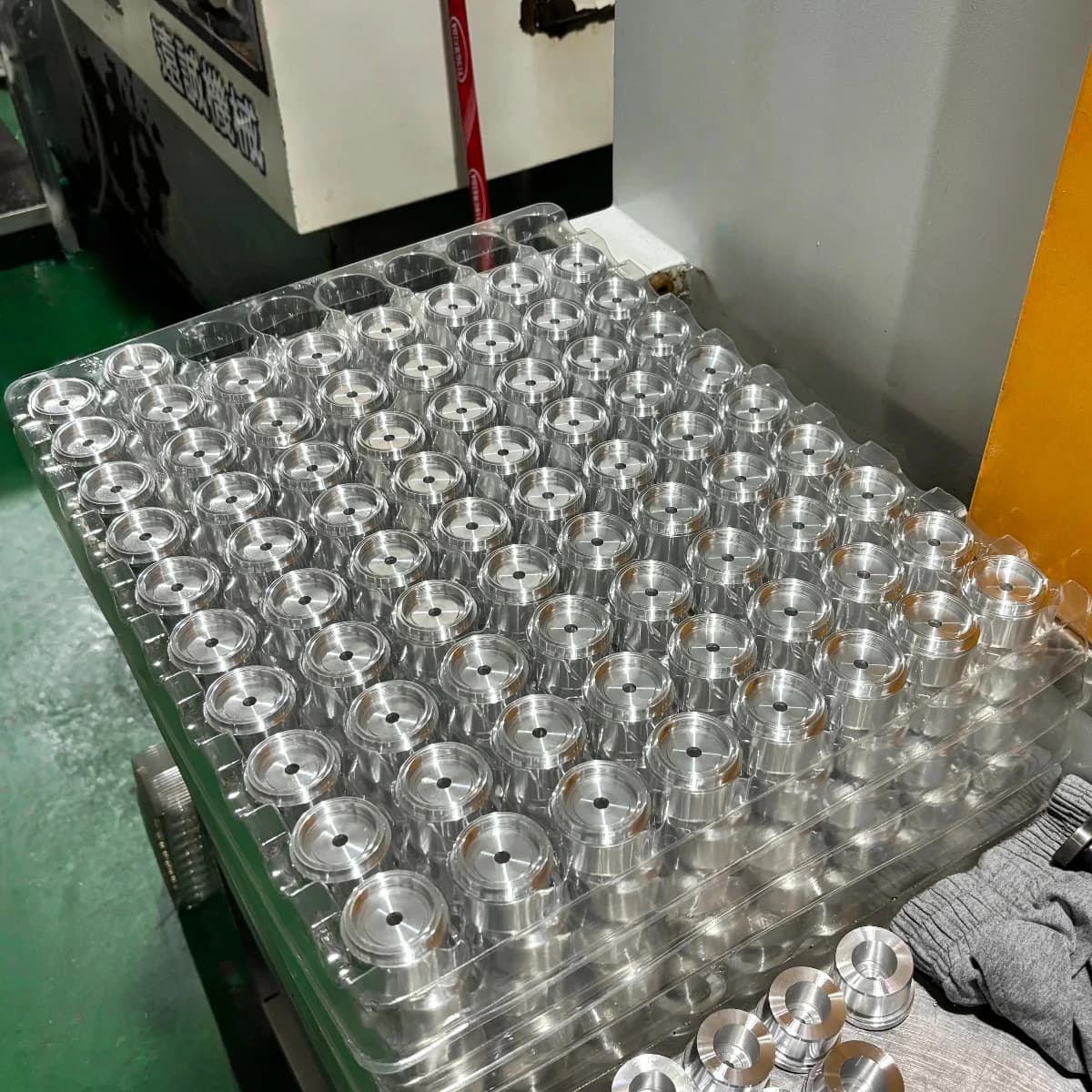
PRODUCTION READINESS
Production begins with an approved engineering baseline, not simply a larger requested quantity.
Current geometry and revision are approved.
Production material / grade is confirmed.
2D drawings and functional requirements are established where needed.
The process, tooling and finishing route has been reviewed.
Expected production demand justifies a repeatable production setup.
PRODUCTION TRANSITION
Validation and preparation connect the approved design to a repeatable production route.
Current design revision confirmed.
Review material, tolerance, finish, quantity and manufacturing route.
Prepare production tooling, fixtures or process controls where required.
Verify the manufacturing route before broader production.
Run the approved production process according to current project requirements.
Confirm revision, quantity and any project changes before the next batch.
PROCESS SELECTION
The production route should follow part geometry, material, repeat demand and the level of tooling the project can justify.
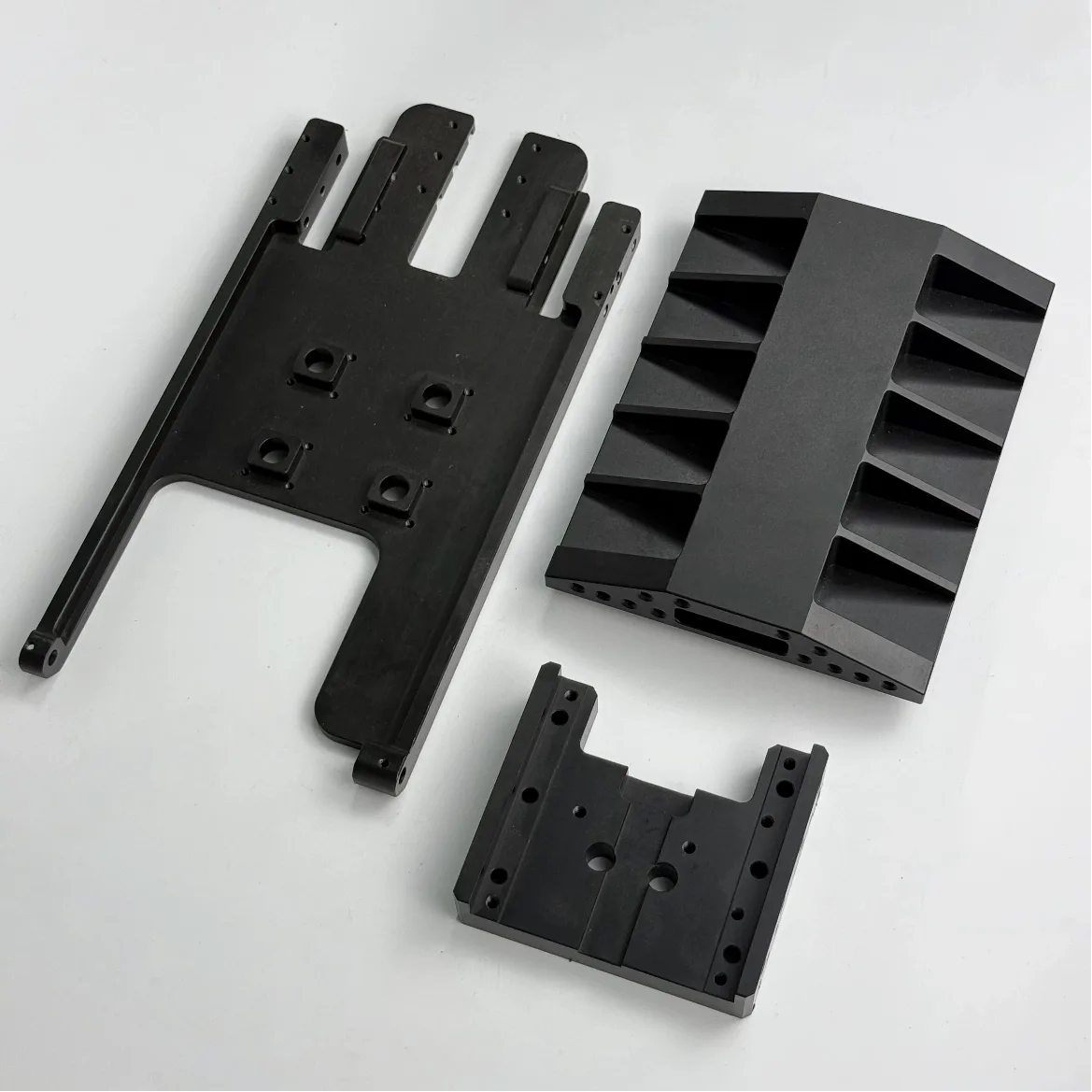
precision metal/plastic parts, medium repeat quantities, no dedicated mold required.
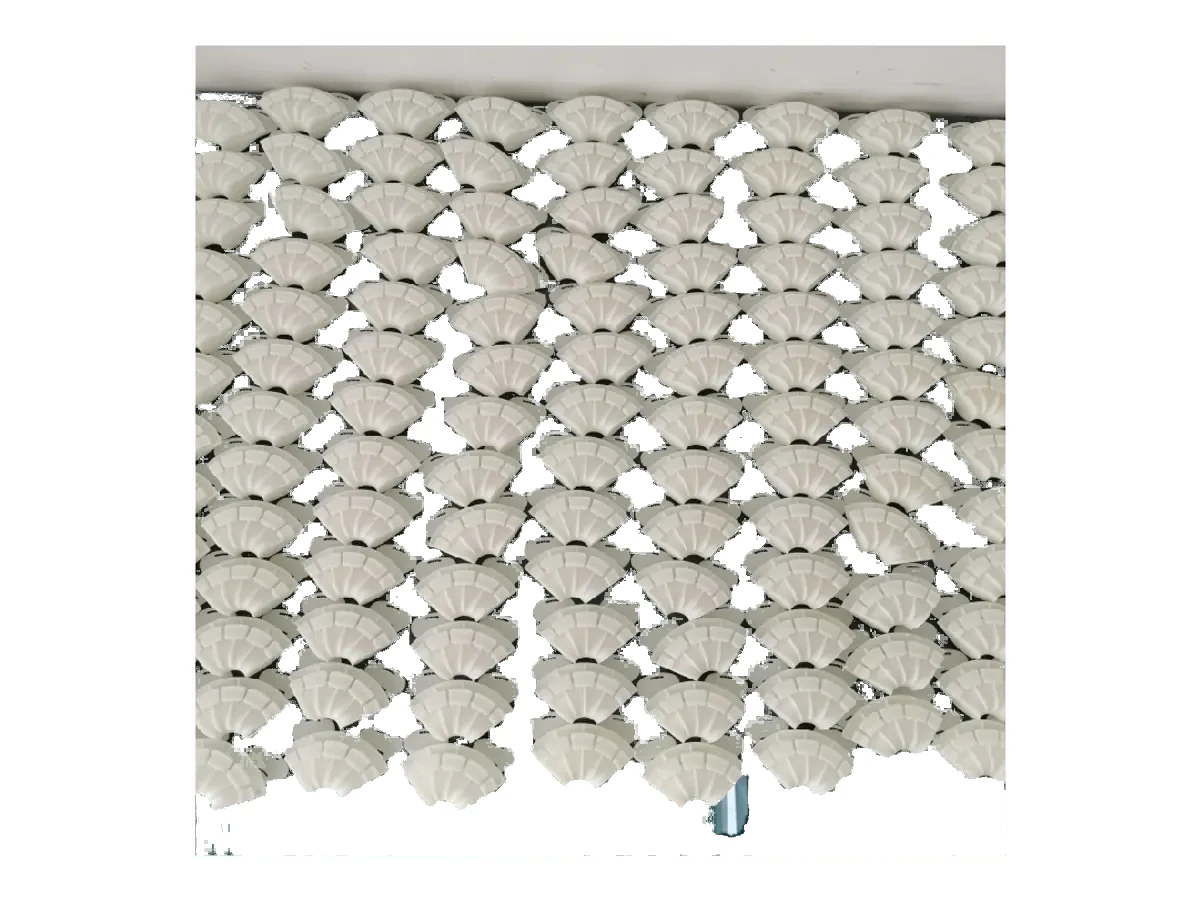
stable polymer geometry with repeat demand that supports tooling.
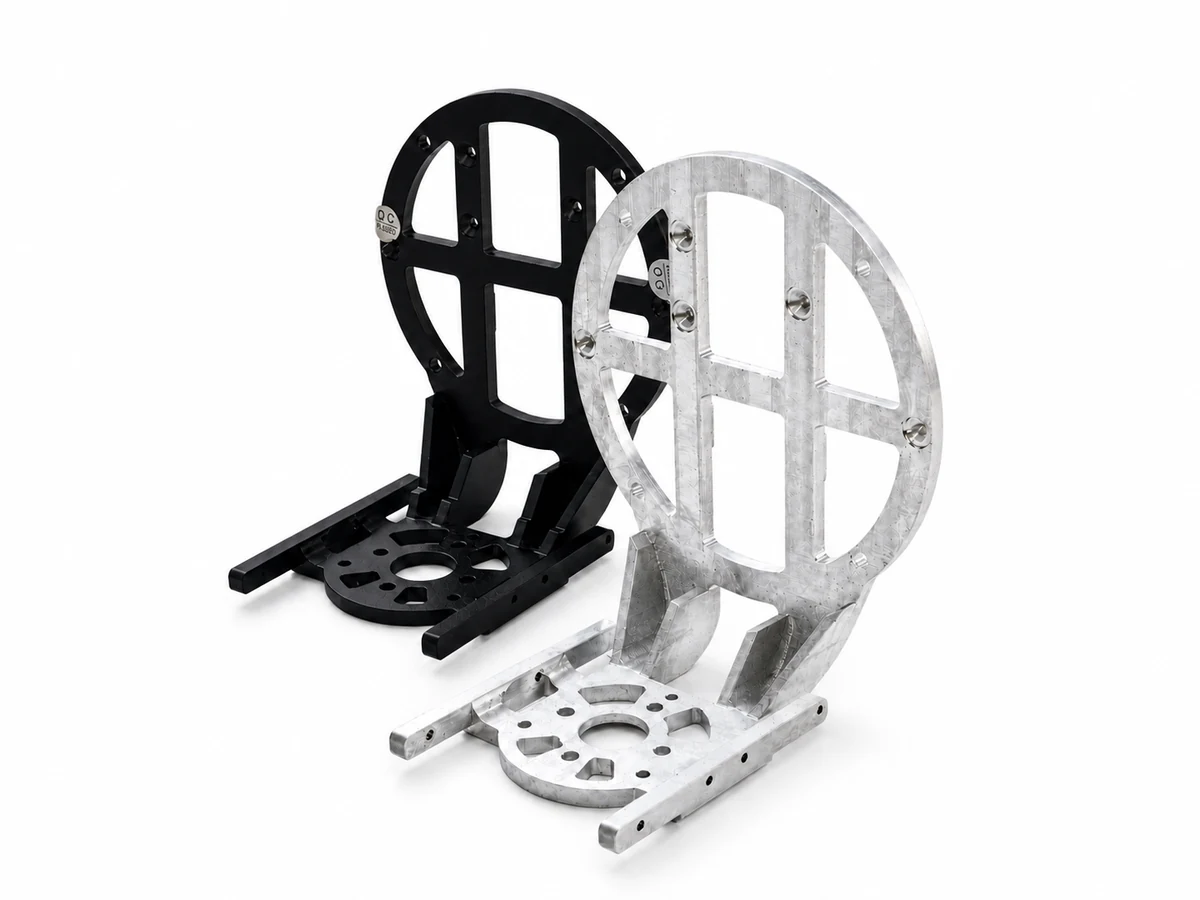
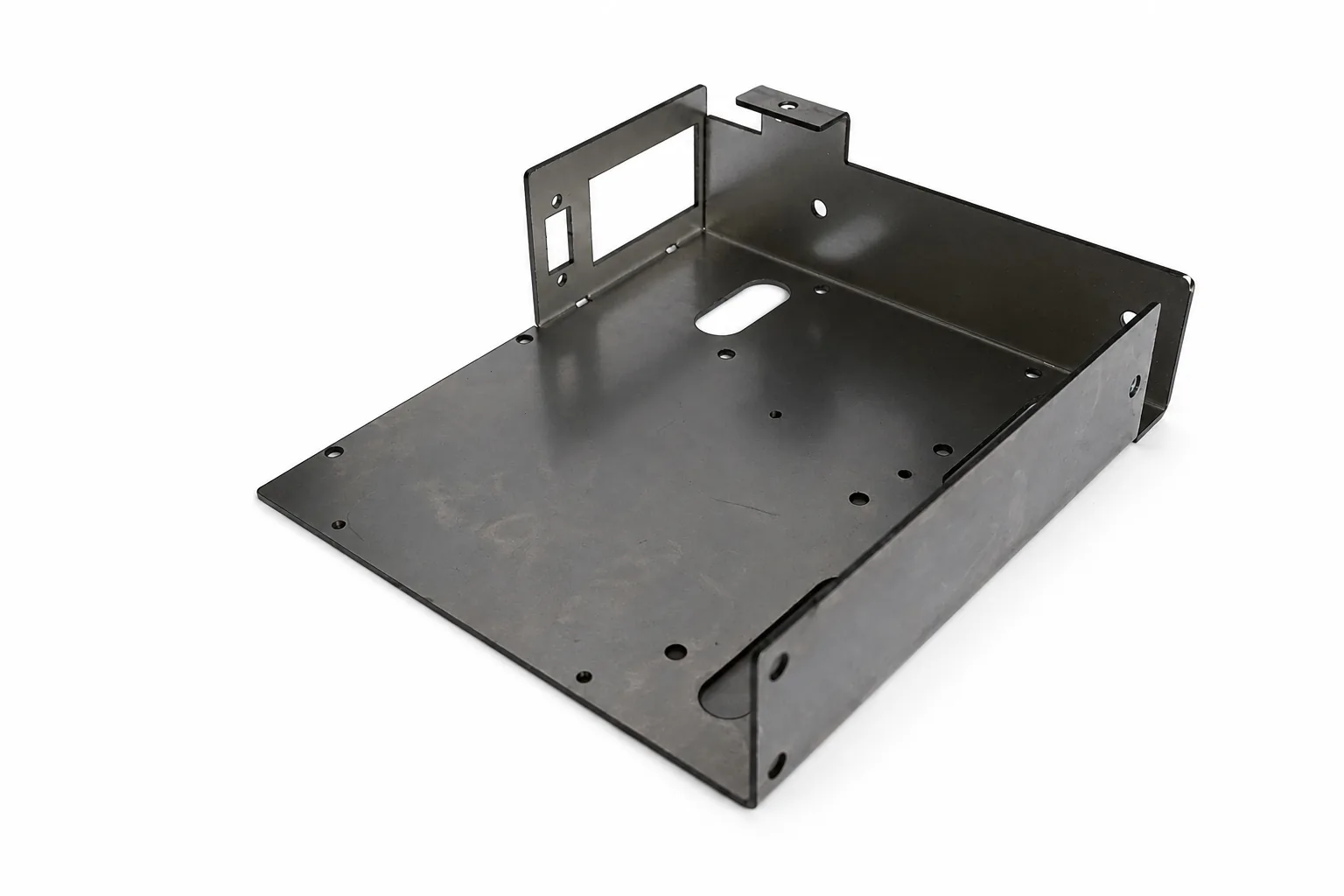
panels, brackets, frames and enclosures in repeat production.
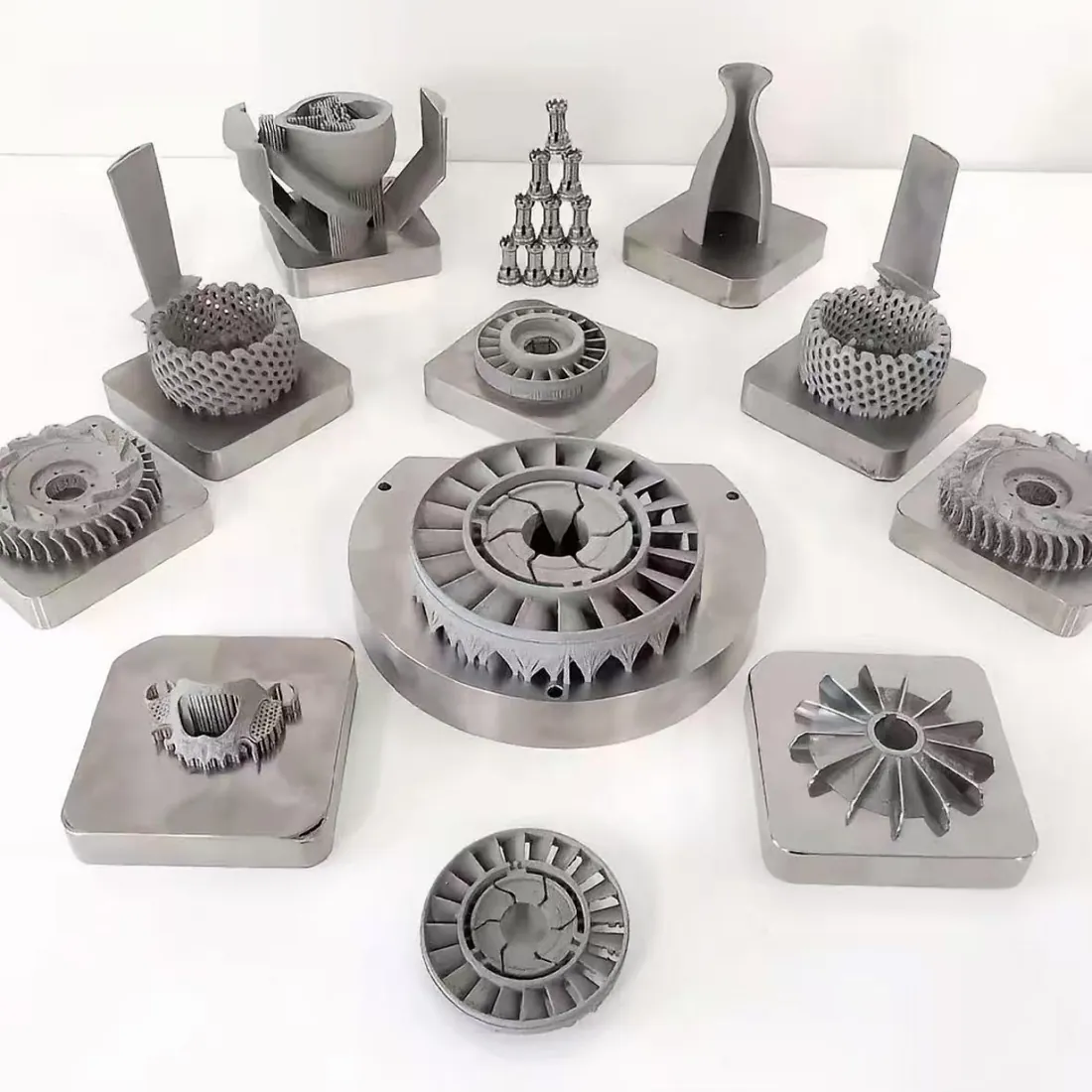
specialized production parts, complex geometry or low-volume repeat production where additive remains appropriate.
appearance, protection, marking and functional surface requirements.
TOOLING & PRODUCTION PREPARATION
Formal production becomes repeatable when tooling, workholding, process settings and inspection requirements operate as one controlled system.
Injection molds / die-casting dies where applicable.
Repeatable positioning for machining, inspection or assembly where required.
Establish process conditions around approved material and geometry.
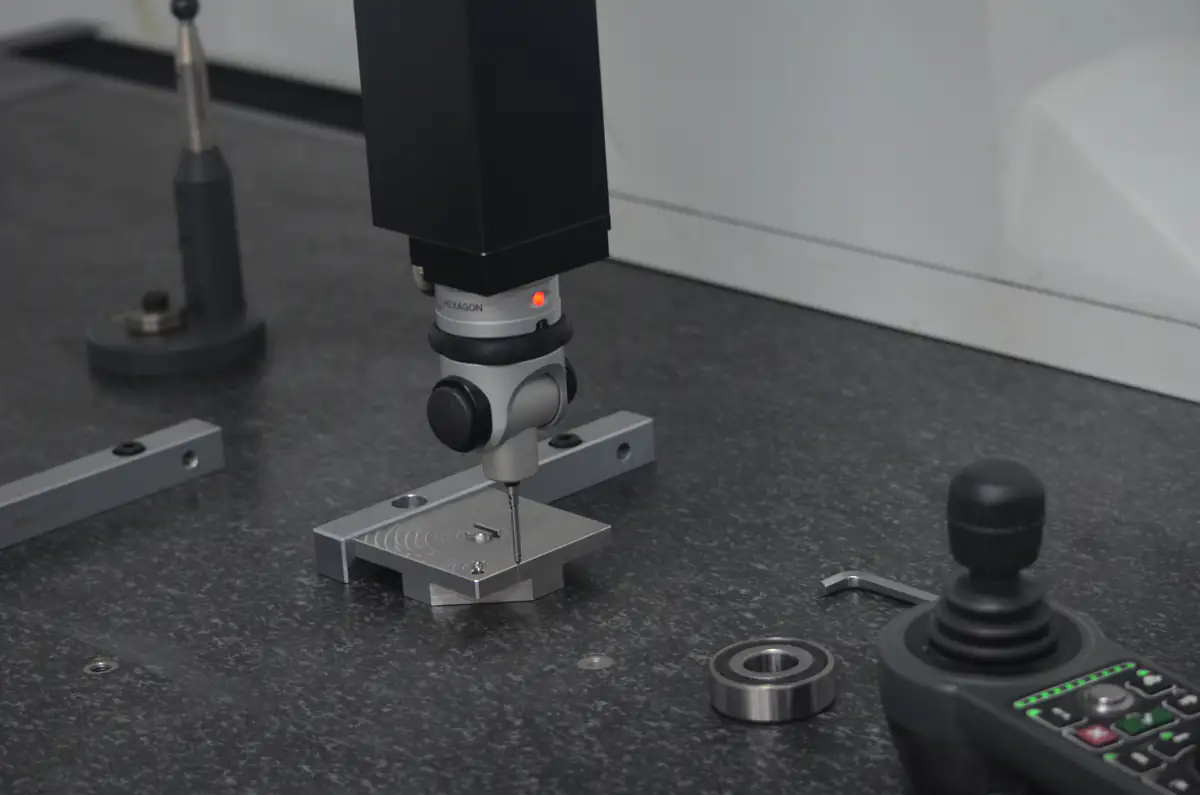
Define critical dimensions, visual criteria and required documentation before repeat production.
QUALITY PLANNING
Inspection and documentation should be planned around current drawings and project-specific requirements before repeat production begins.
Ensure production follows the current approved design revision.
Confirm material/grade requirements where documentation is required.
Define which dimensions need production inspection.
Define visual requirements for finished parts where relevant.
Inspection / material / process records can be arranged where required by the project.
REPRESENTATIVE PRODUCTION BATCHES
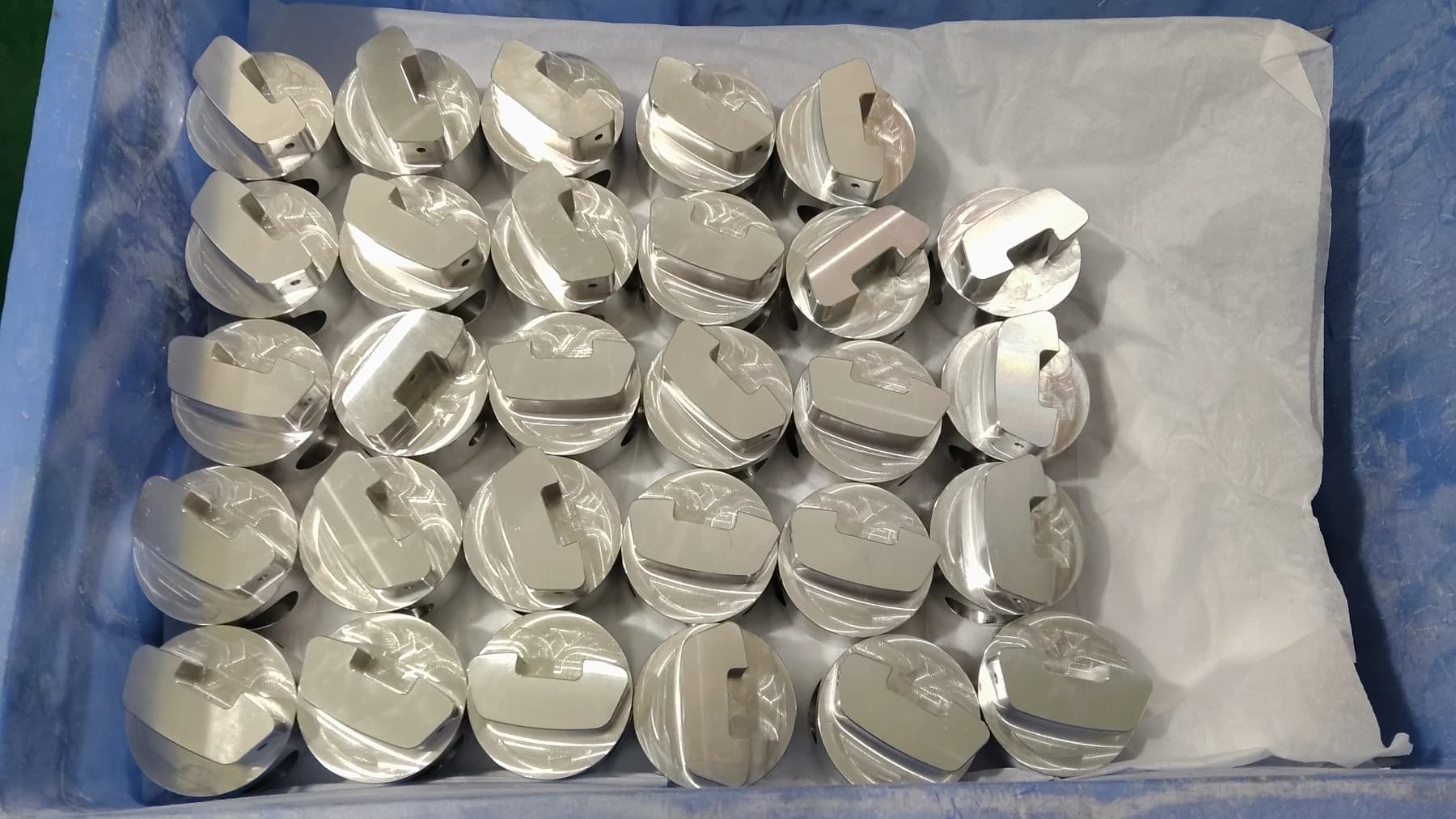
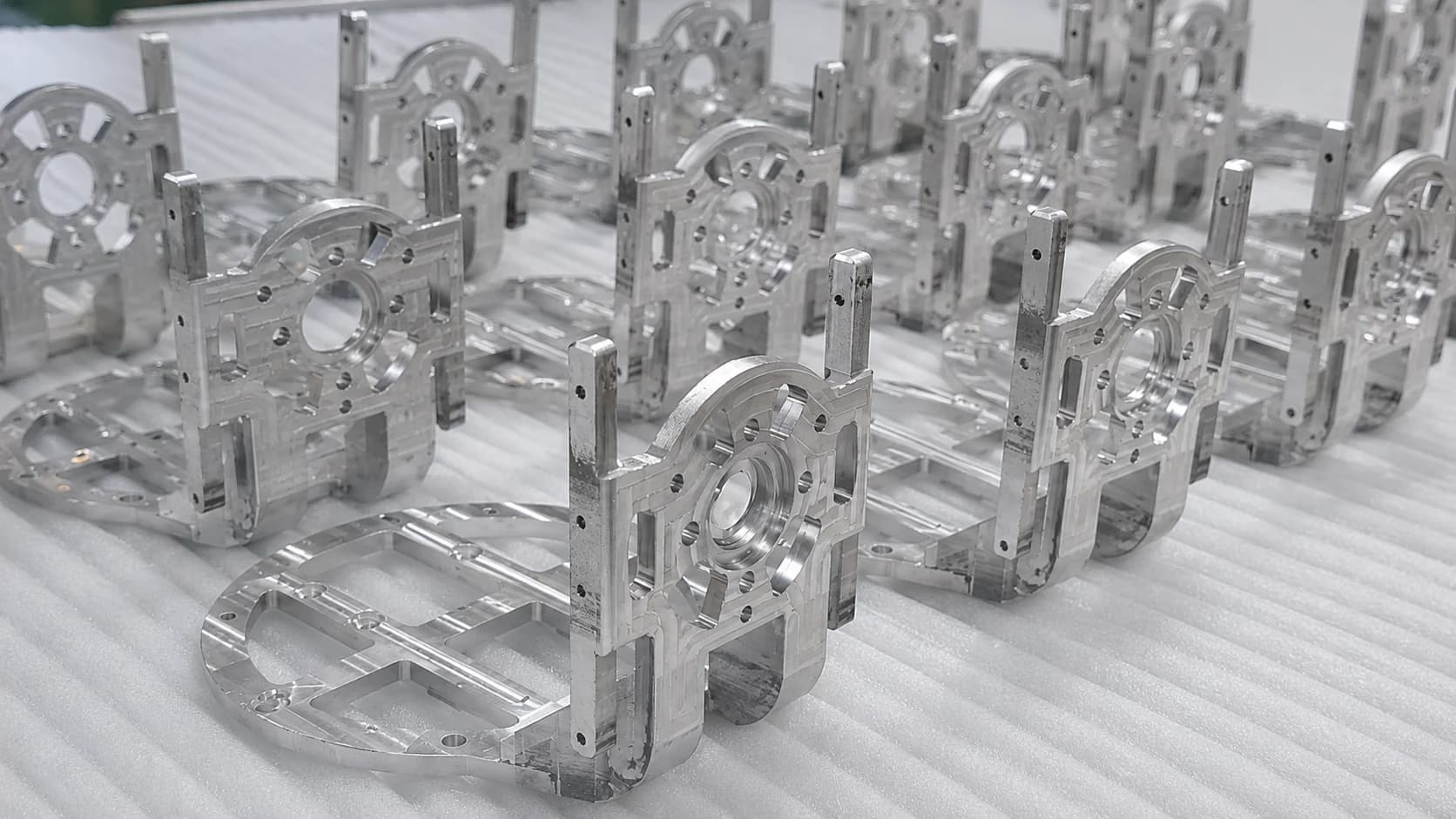
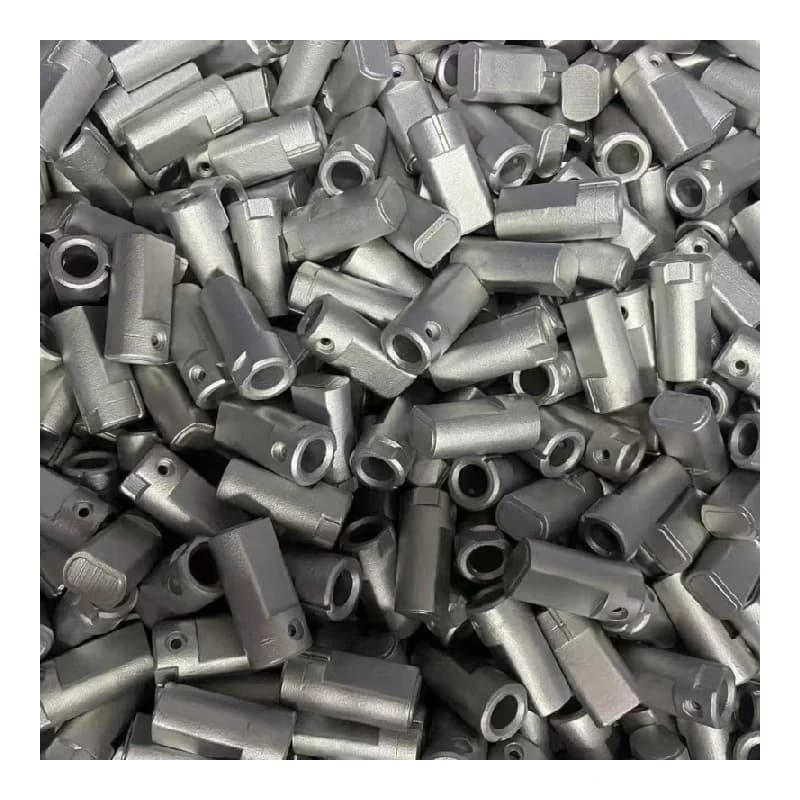
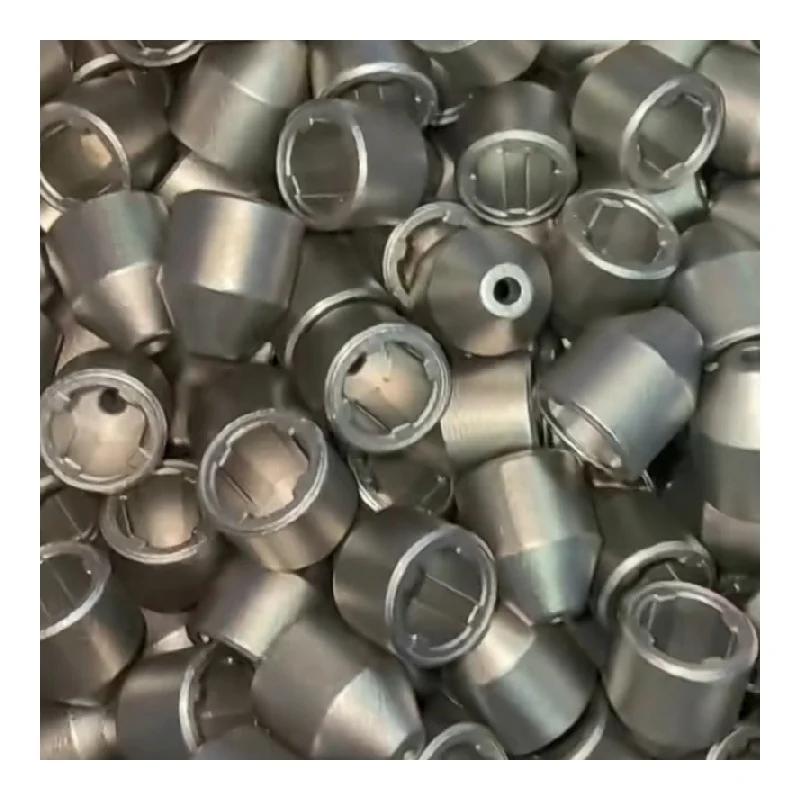
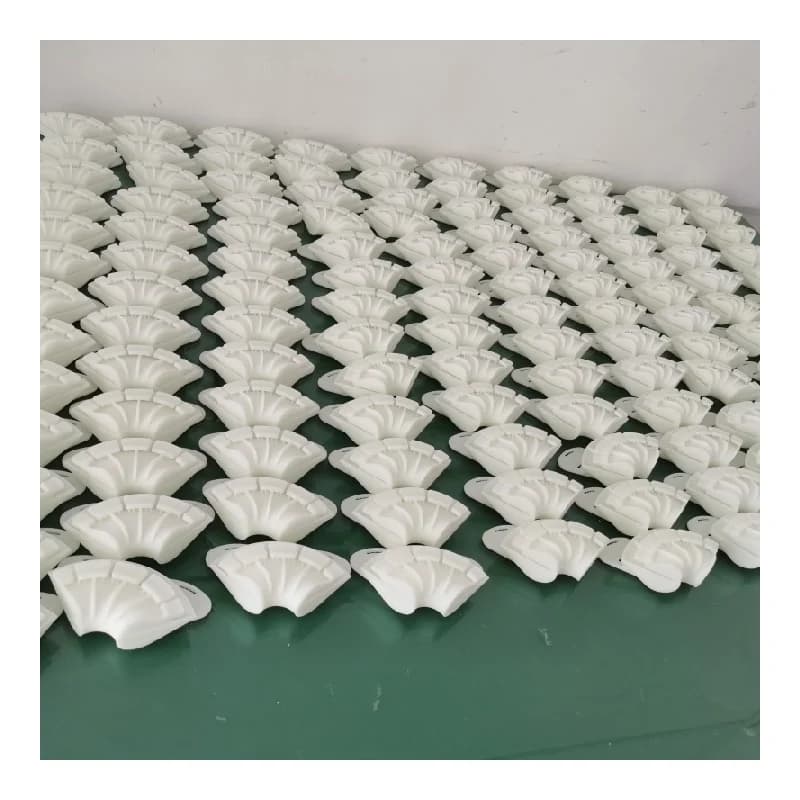
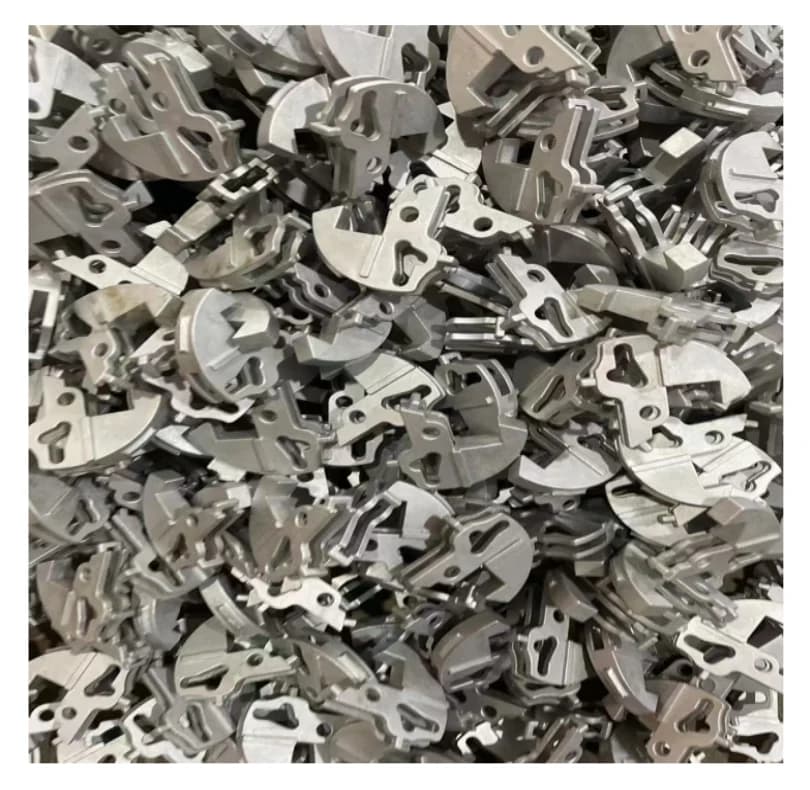
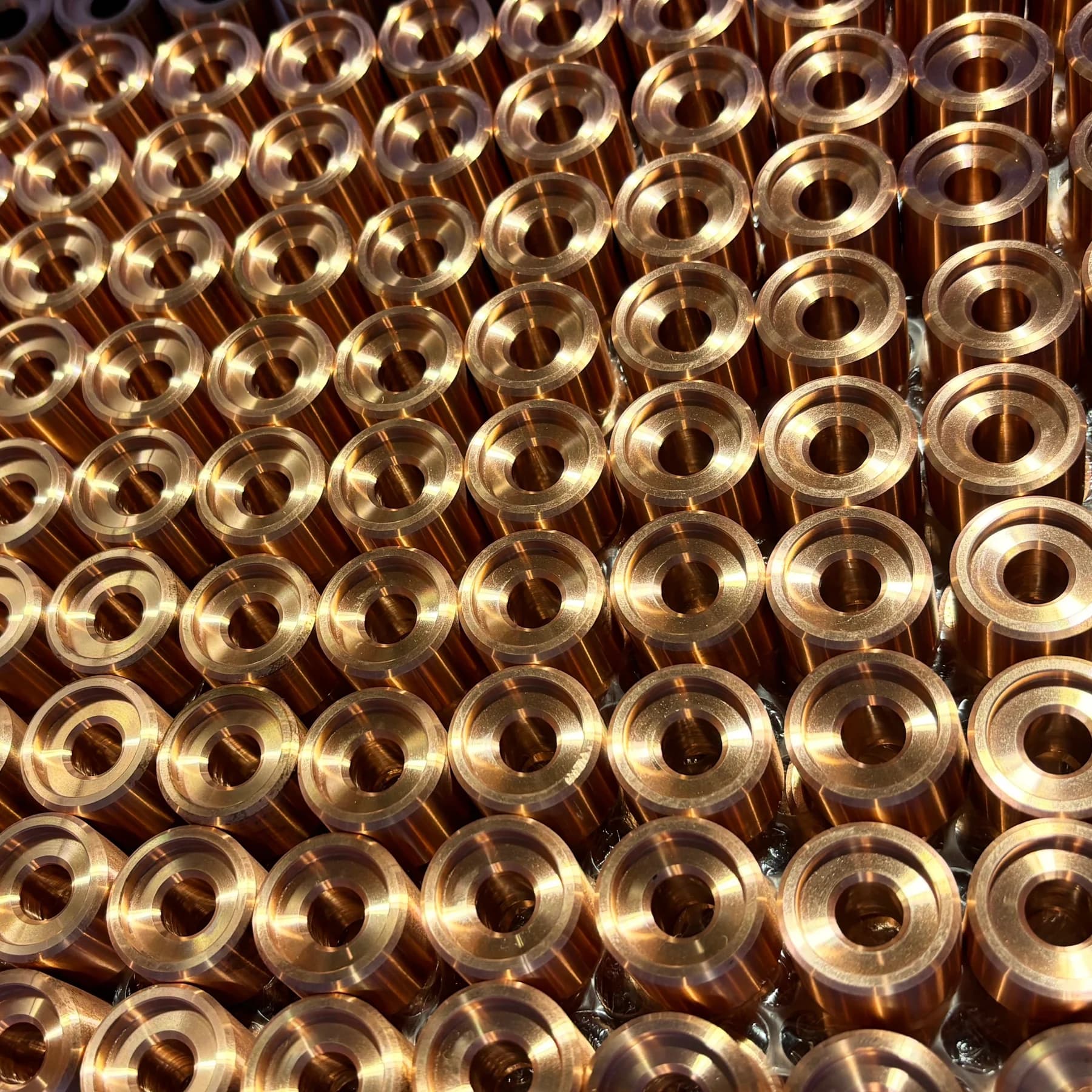
Real production imagery shows repeated components across machined, molded and finished manufacturing routes.
PRODUCTION ROUTES
Repeat production can be built around machined metals, molded polymers or finished and fabricated components.
Repeated machined components can be planned around the current revision, material and critical dimensions.
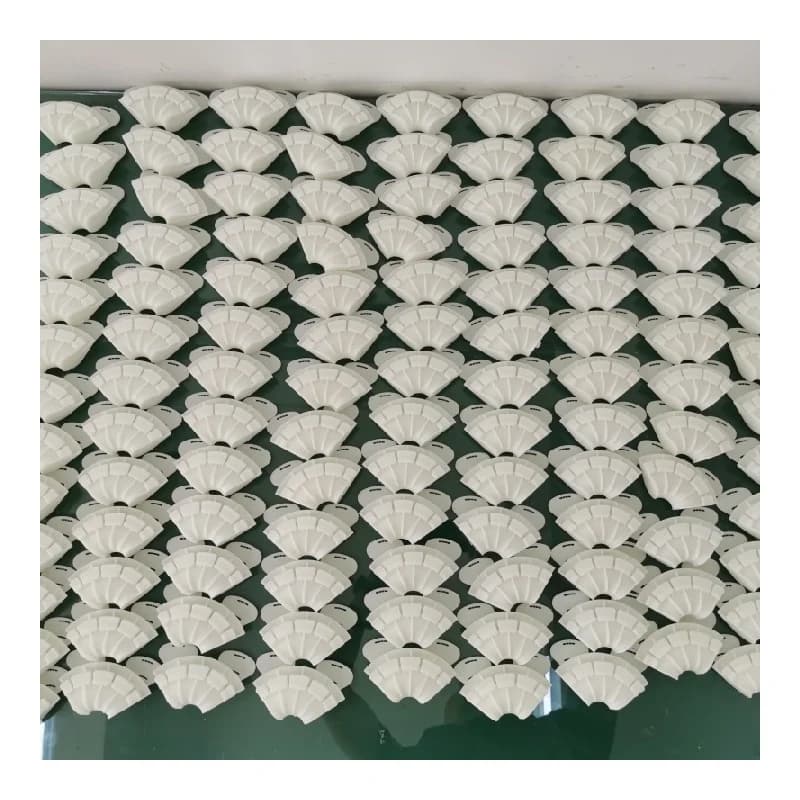
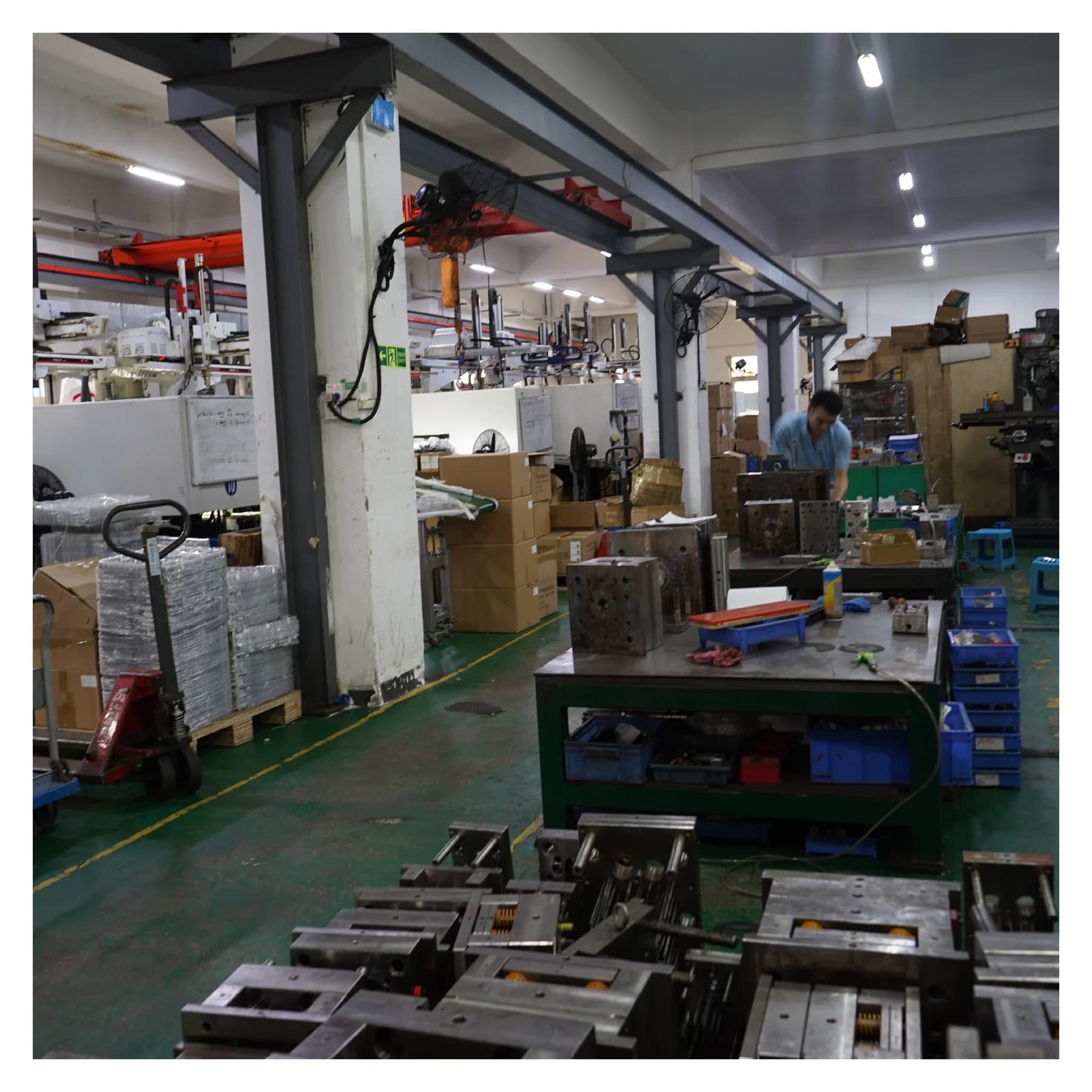
Molded polymer production brings tooling and stable geometry into the repeat manufacturing plan.
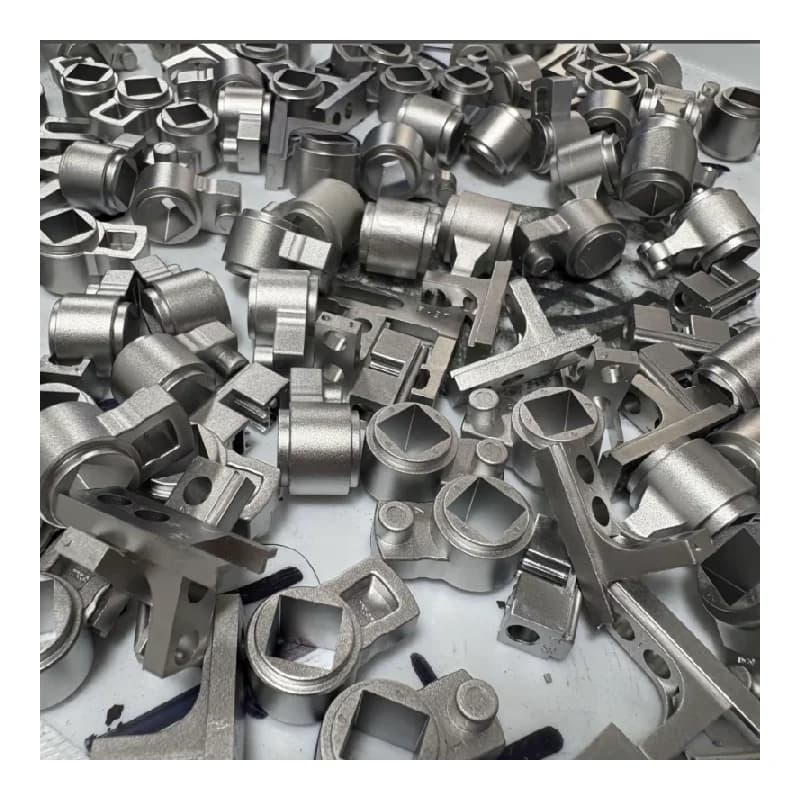
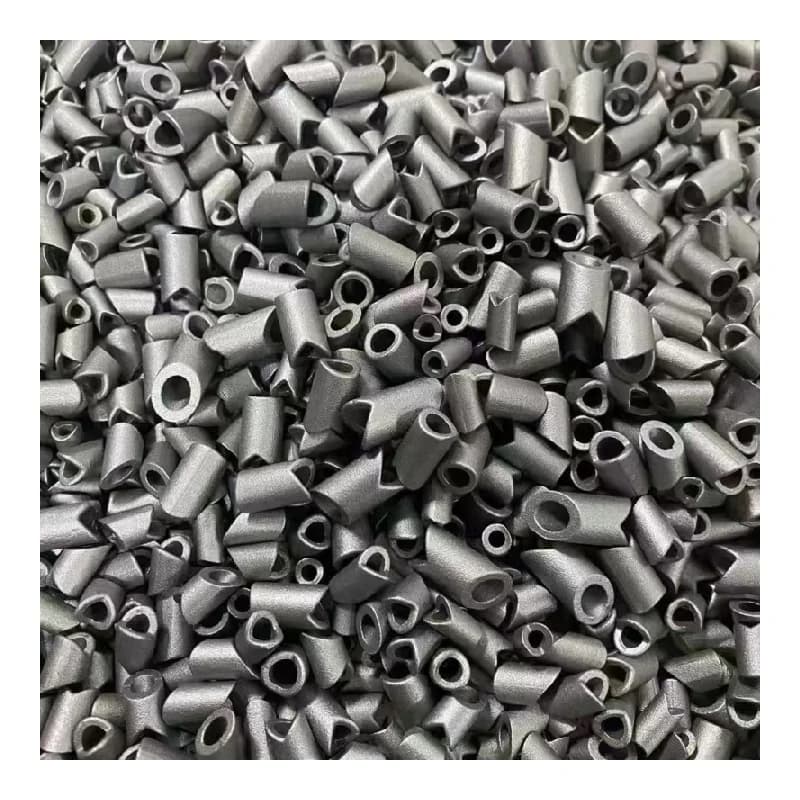
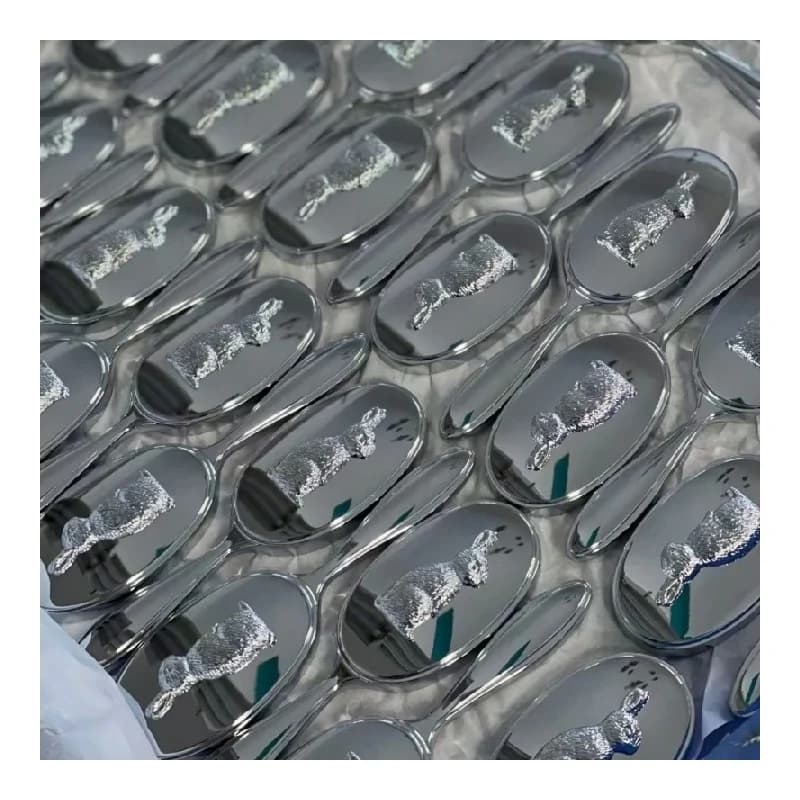
Finished and fabricated components add formed geometry, appearance or protection to a controlled production route.
REPEAT PRODUCTION & CHANGE CONTROL
Each new batch should be connected to the current approved requirements rather than assumed to match an earlier order automatically.
Use the current approved drawing / model revision.
Maintain the agreed manufacturing route where appropriate.
Any geometry, material, finish or quantity change should be reviewed before production.
Confirm current revision and production requirements before each new batch.
PROJECT PREPARATION
A production review is more useful when the manufacturing team can see the current revision, expected quantity and project-specific quality requirements together.
Practical answers on readiness, initial batches, production routes, drawing changes and repeat-order control.
STABLE REVISION · SUITABLE PROCESS · CONTROLLED PRODUCTION