
01
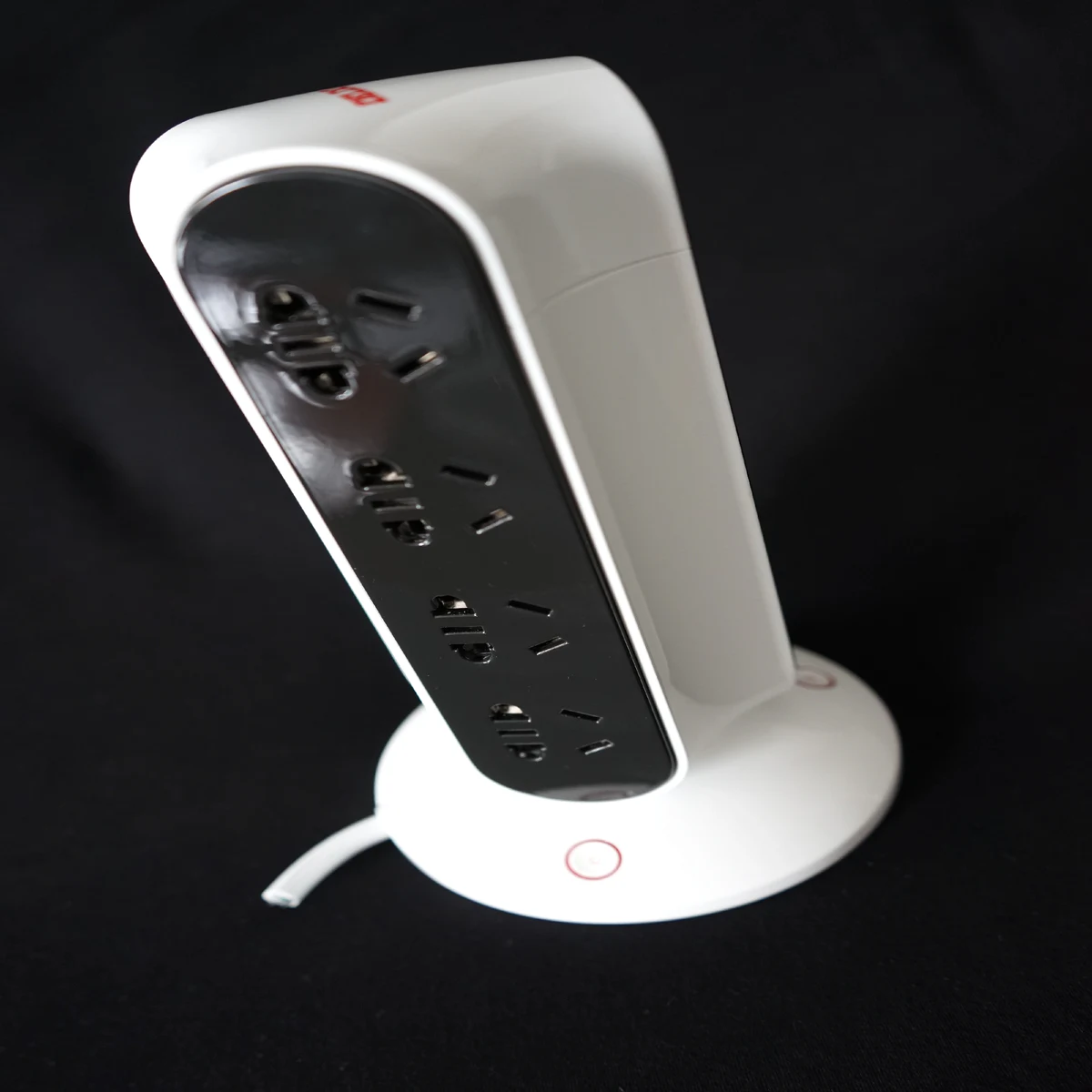
Exterior Housing
Review overall shape, seam relationships, proportions and surface continuity.
INDUSTRIAL DESIGN PROTOTYPING
Appearance Models, Functional Prototypes & Engineering Validation
Turn CAD designs into physical product models for appearance review, ergonomic evaluation, assembly testing, functional validation and pre-production development.
Get a Quote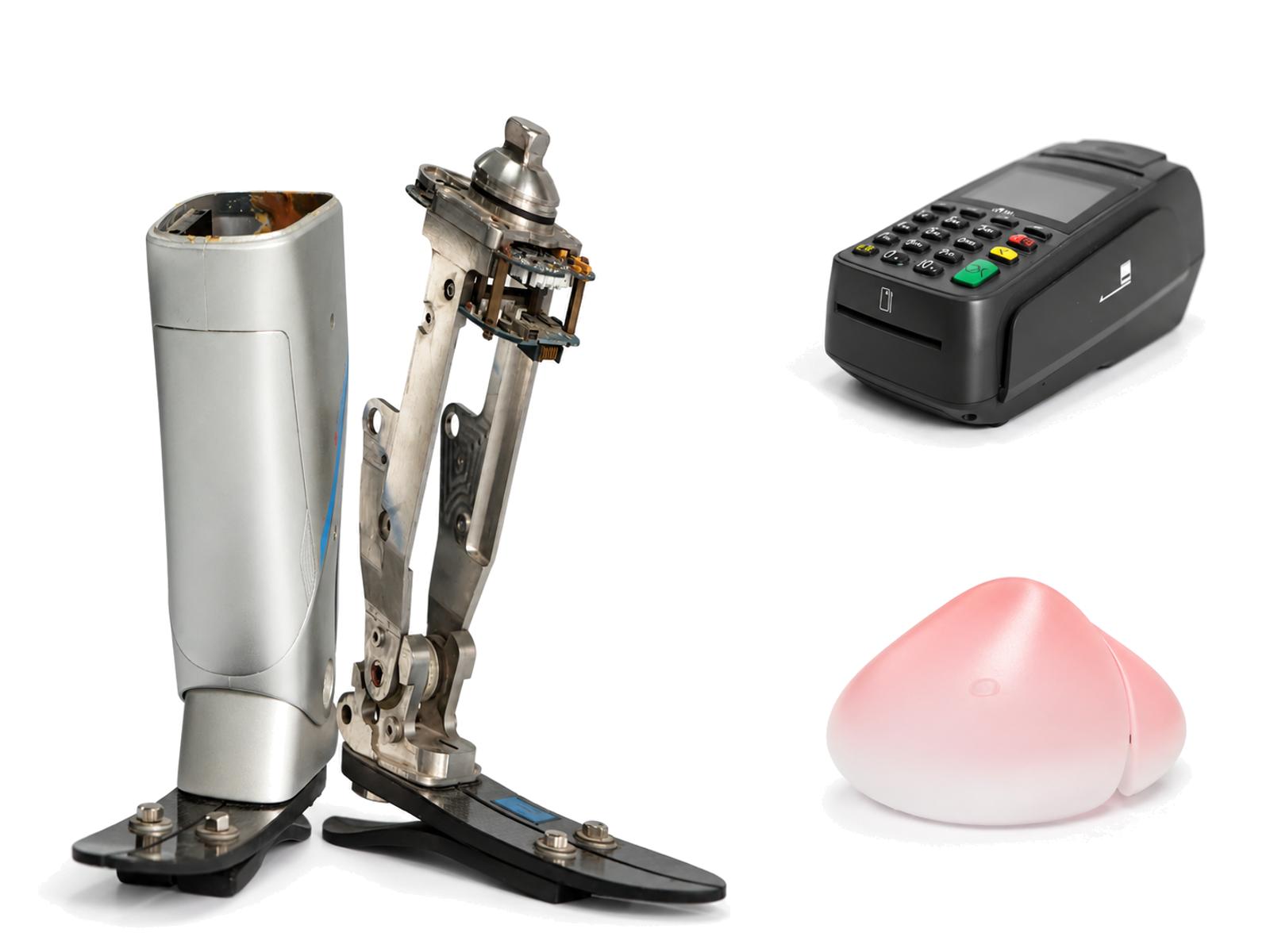
DESIGN VALIDATION
The right physical model depends on what the design team needs to evaluate before the project advances.
Review shape, proportion, color, material expression, texture, gloss and overall visual intent.
Evaluate size, handling, grip, control placement, access and other physical interactions with the product.
Review component interfaces, clearances, mounting relationships and assembly behavior.
Evaluate mechanical movement, working features and functional relationships where the prototype is intended to operate.
Review materials, geometry, critical dimensions and product readiness before the next manufacturing stage.
MODEL DEVELOPMENT
Different product-development stages require different levels of appearance, functionality, assembly detail and manufacturing intent.
Use an early physical model to review scale, form, proportion and basic spatial relationships.
Evaluate external form, color, texture, surface treatment and overall visual intent.
Use functional components to evaluate fit, interaction and working features where required.
Review internal fit, mounting, clearances, structural relationships and key engineering details.
Use a more mature physical model to review integrated appearance, assembly and engineering requirements before further production decisions.
COLOR · MATERIAL · FINISH
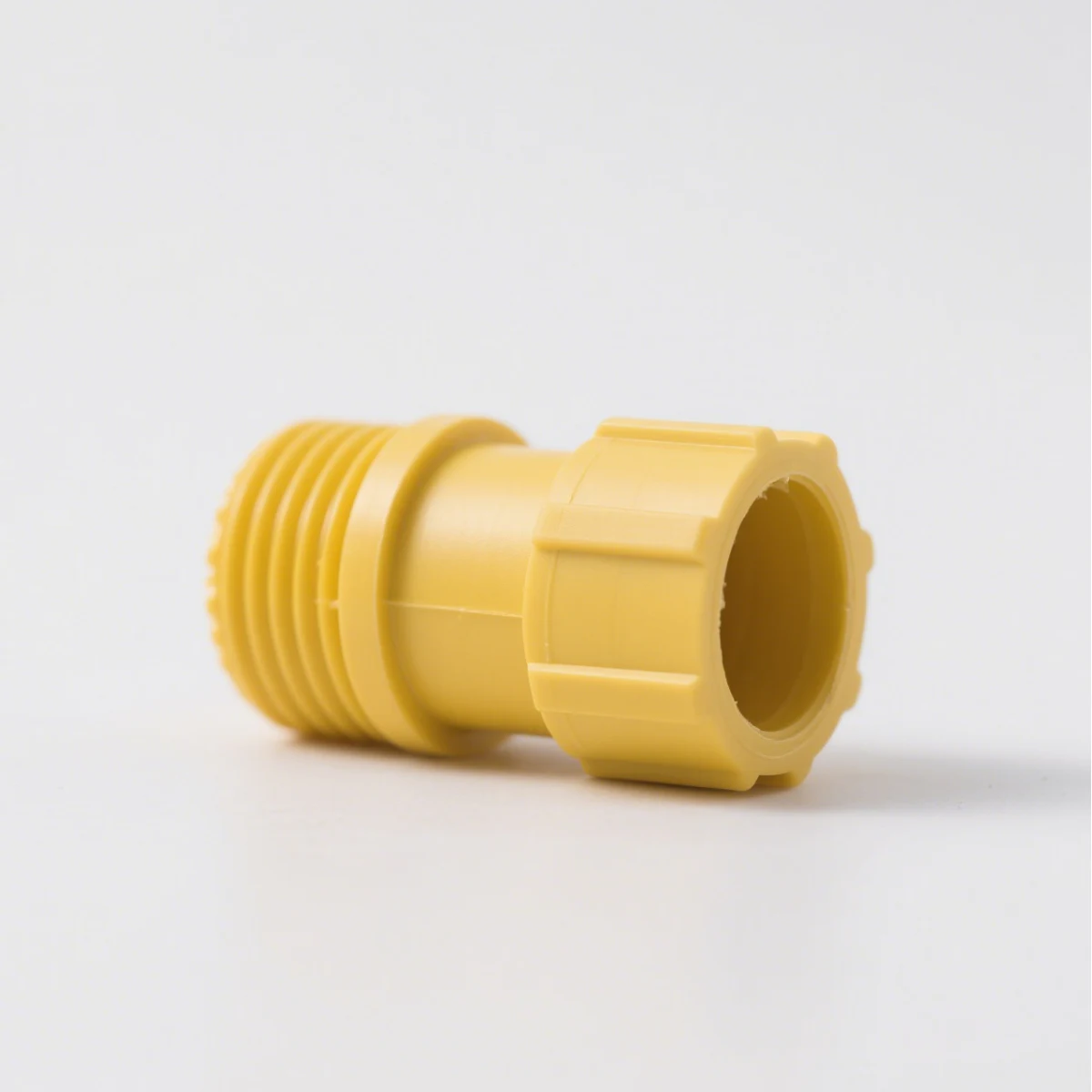
A physical appearance model can help teams evaluate visual and tactile decisions that are difficult to judge from digital renders alone.
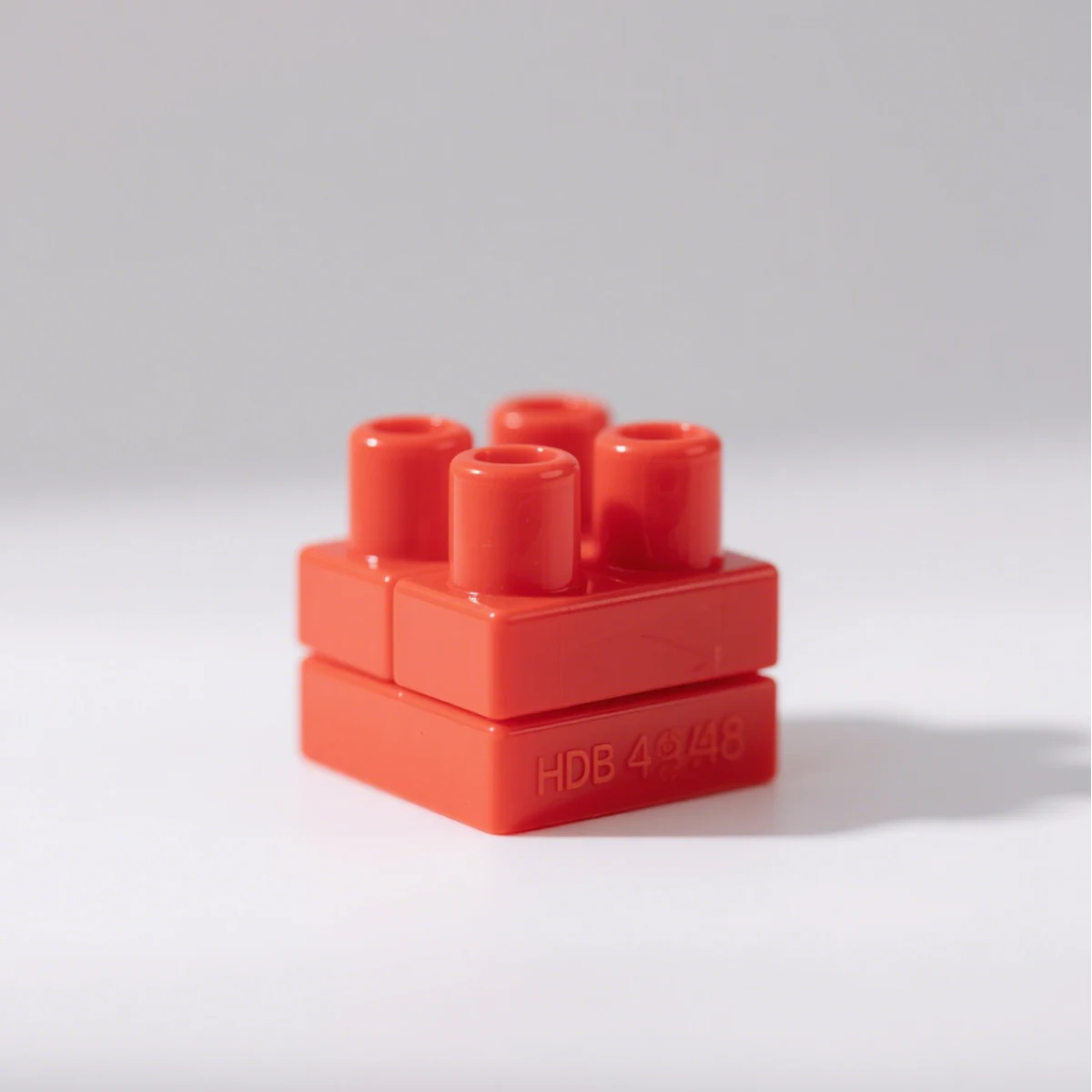
Review painted, dyed or otherwise colored surfaces against supplied design references where applicable.
Compare matte, gloss, textured and other tactile surface directions.
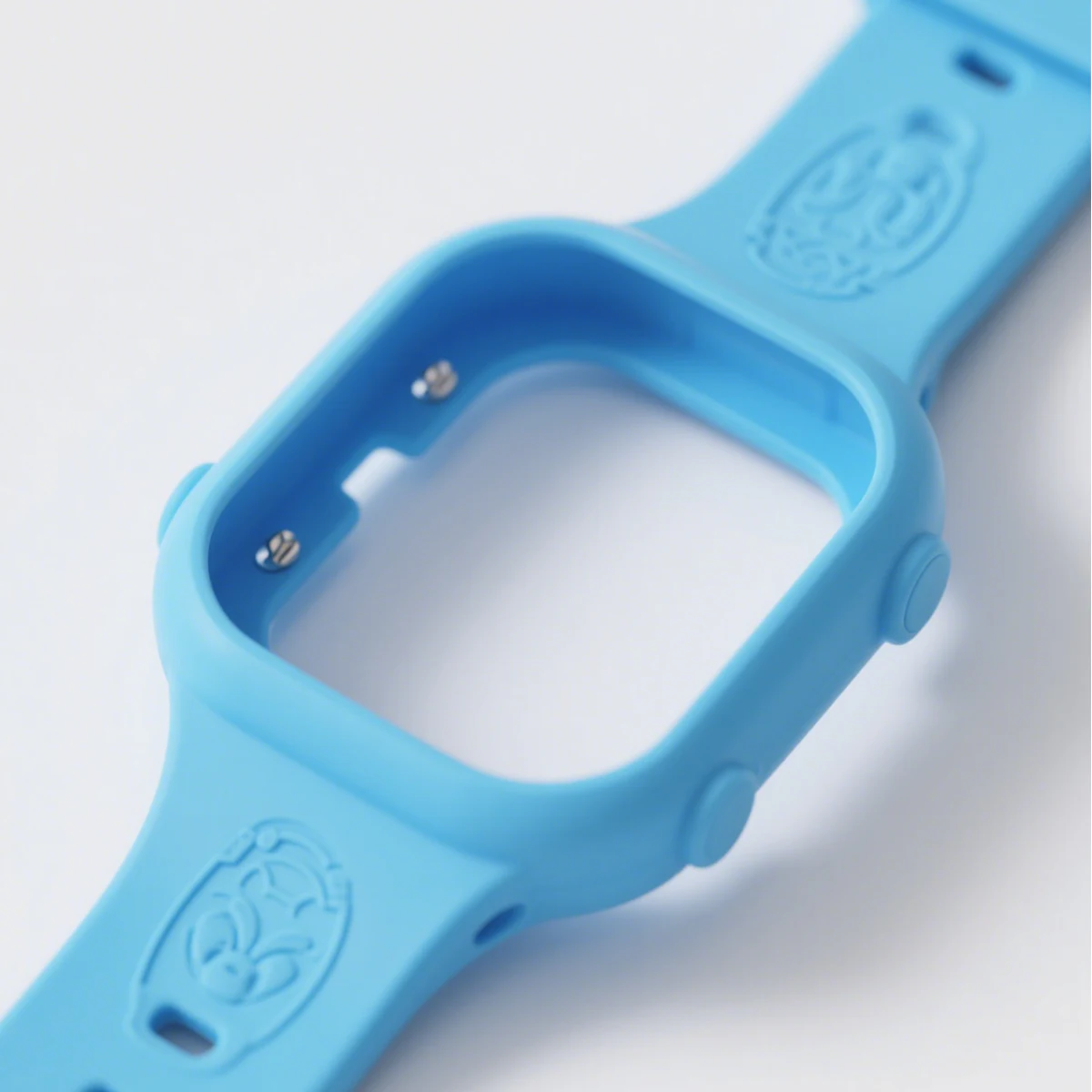
Evaluate flexible or elastomer-like parts where tactile behavior is important to the physical product experience.
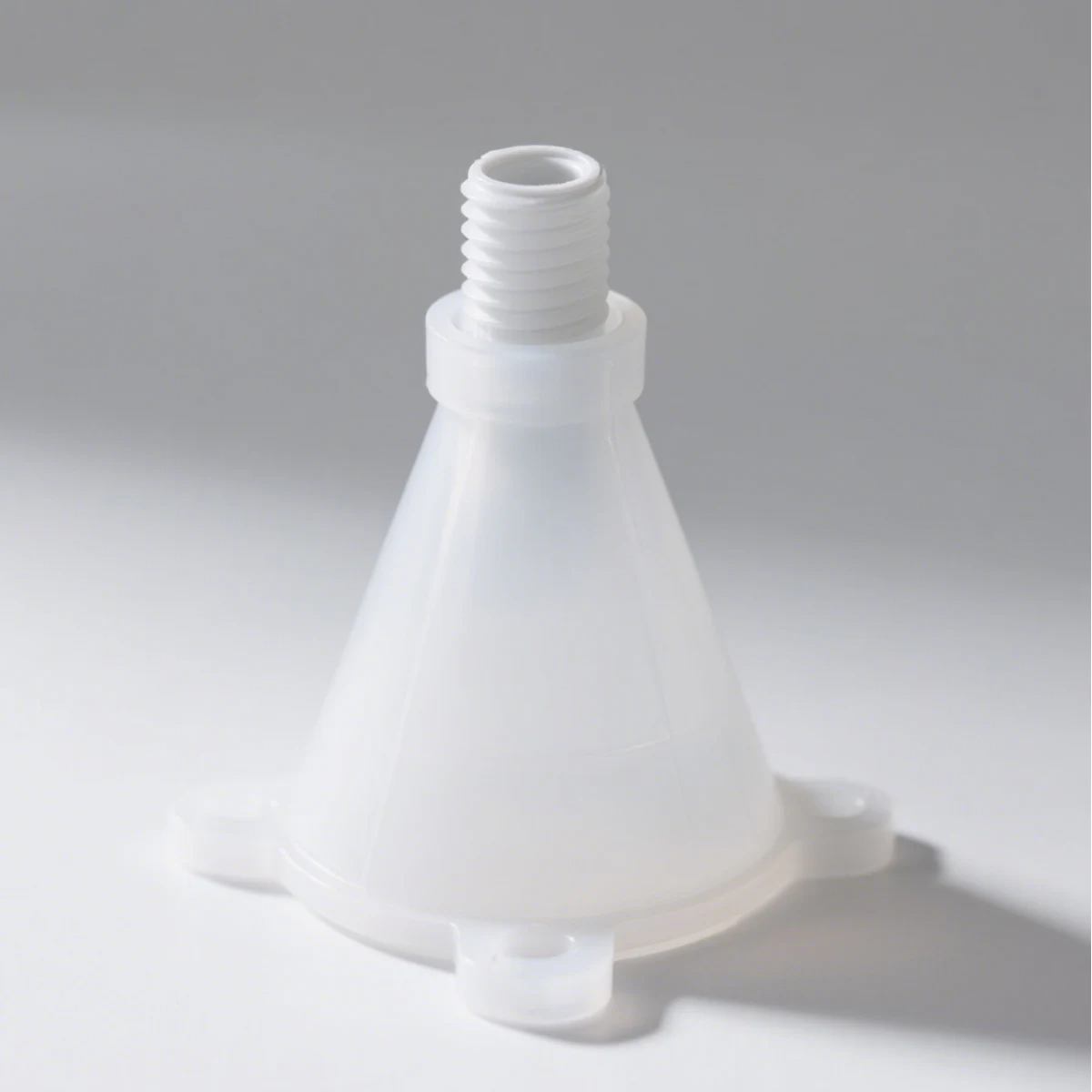
Review transparent, translucent or light-interacting features where they are relevant to the product design.
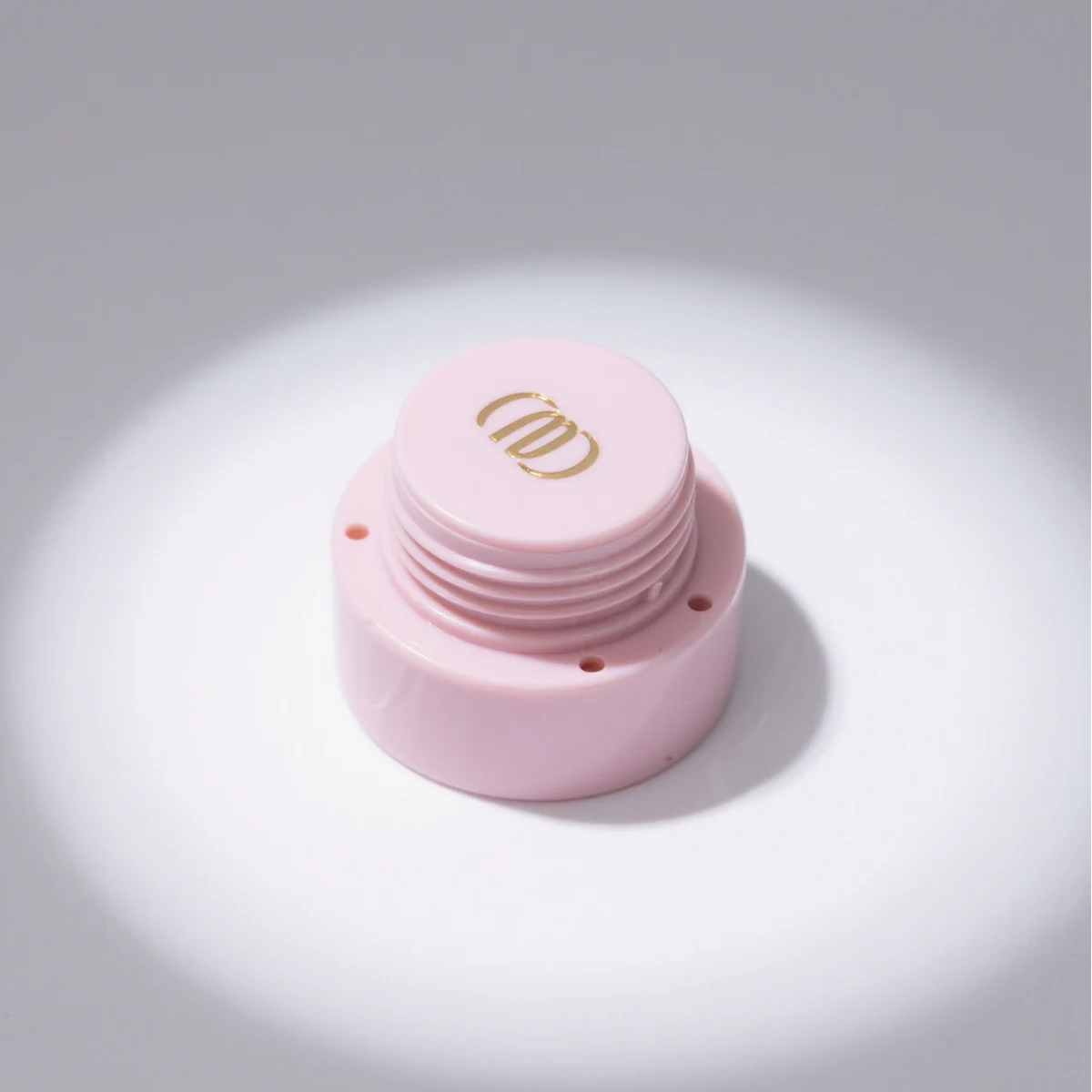
Review logos, markings, interface details and other visible accents against supplied references.
FULL-PRODUCT VALIDATION
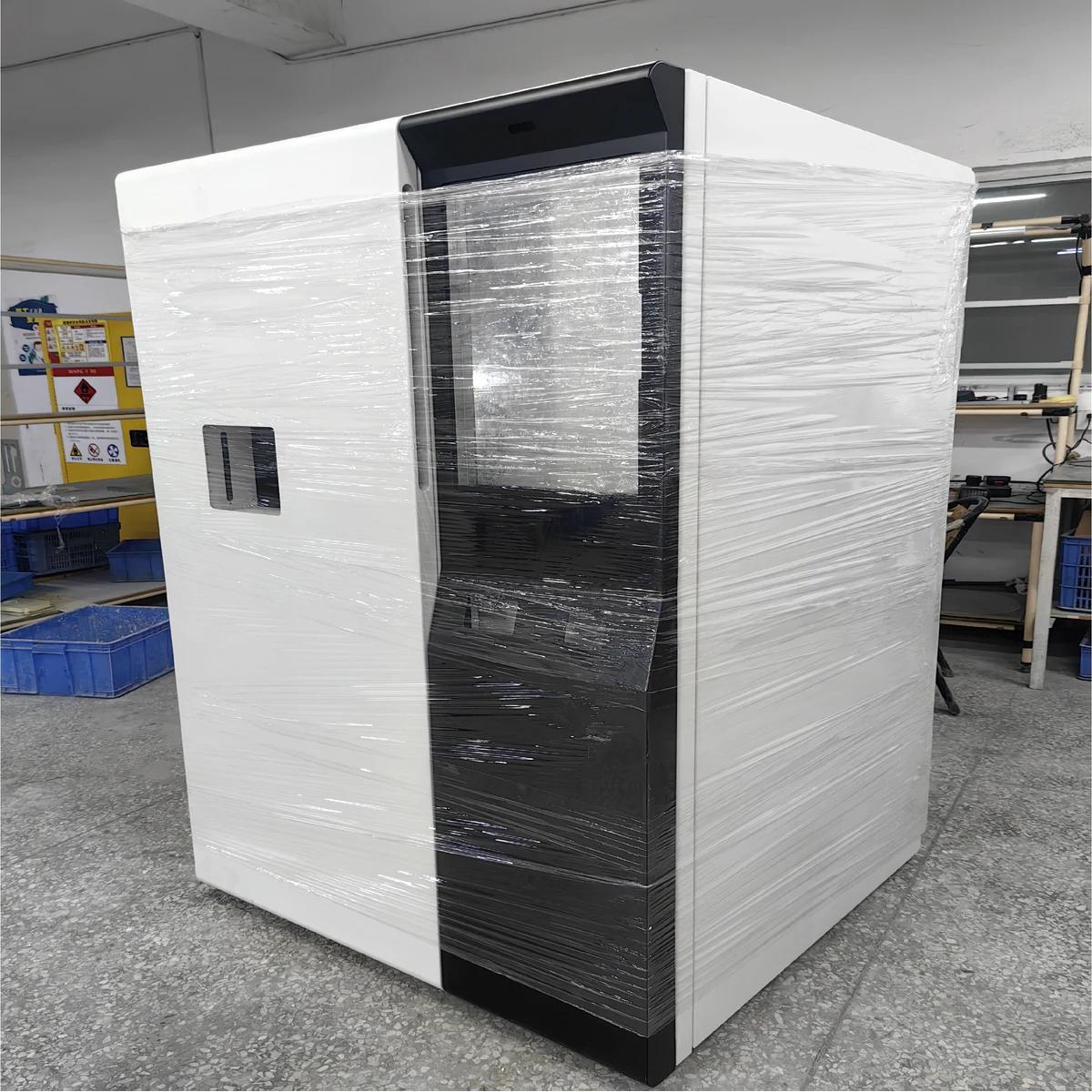
Industrial design prototypes often need to represent the whole product rather than a single isolated component.
Review overall shape, seam relationships, proportions and surface continuity.
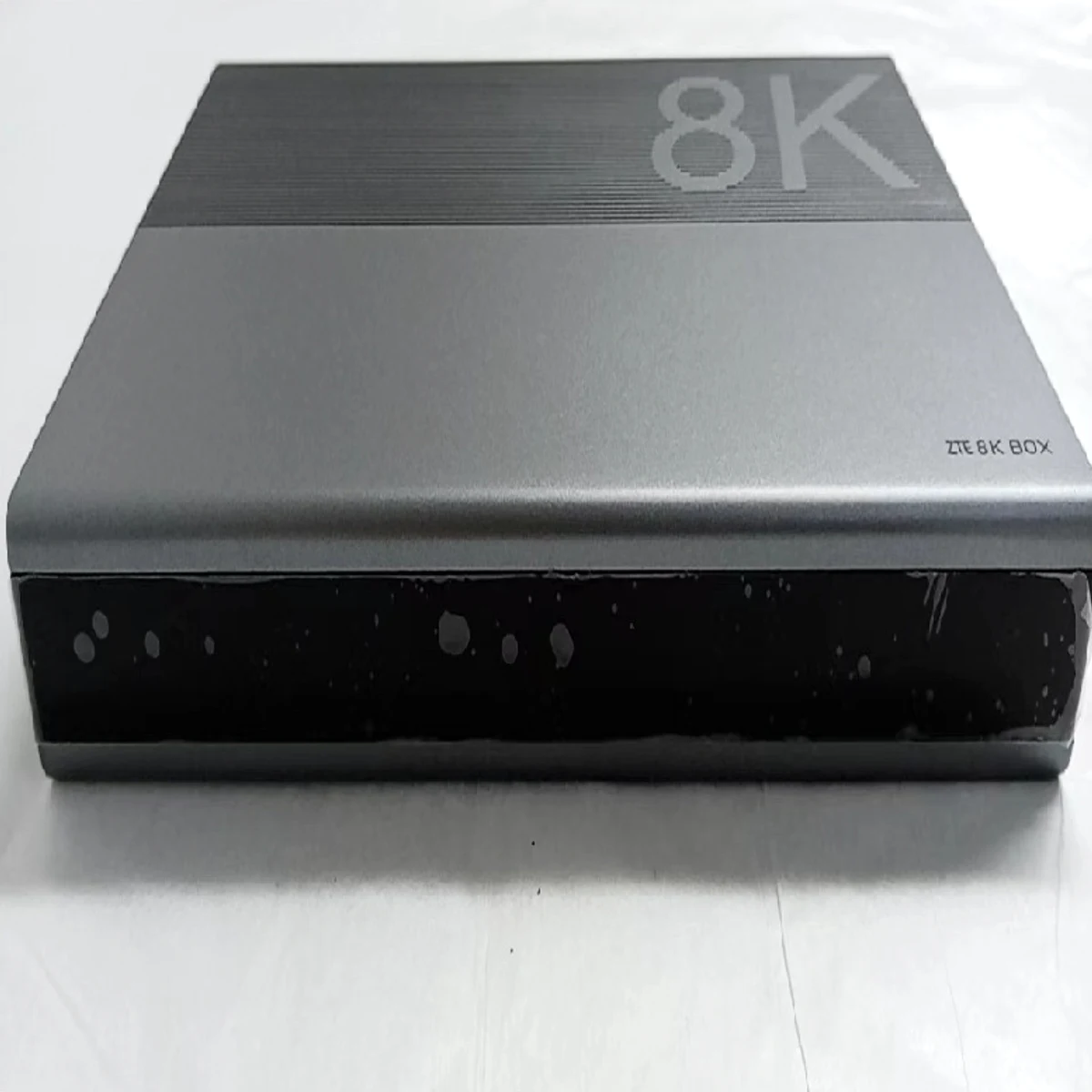
Evaluate buttons, ports, openings, display areas and user-access features against the intended layout.
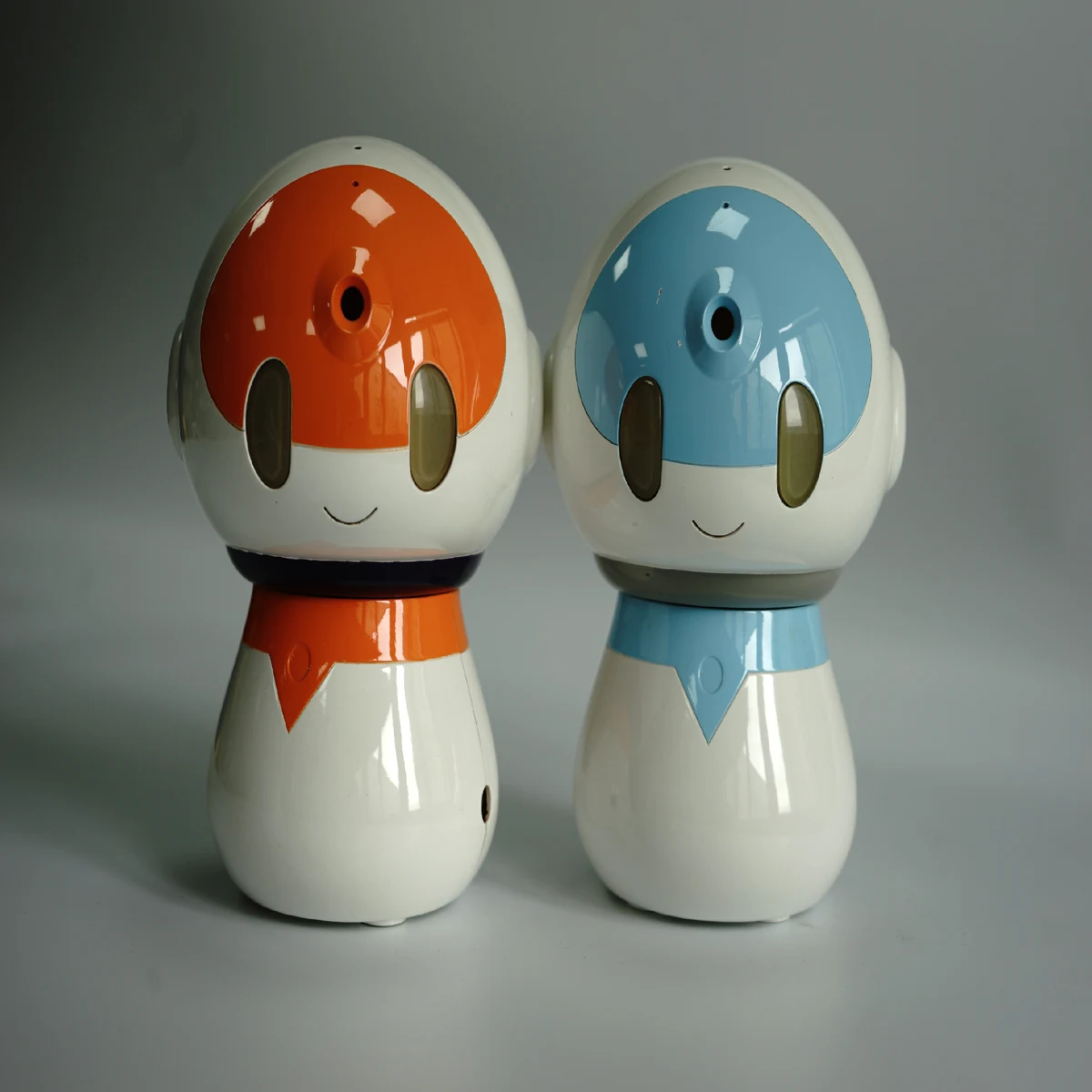
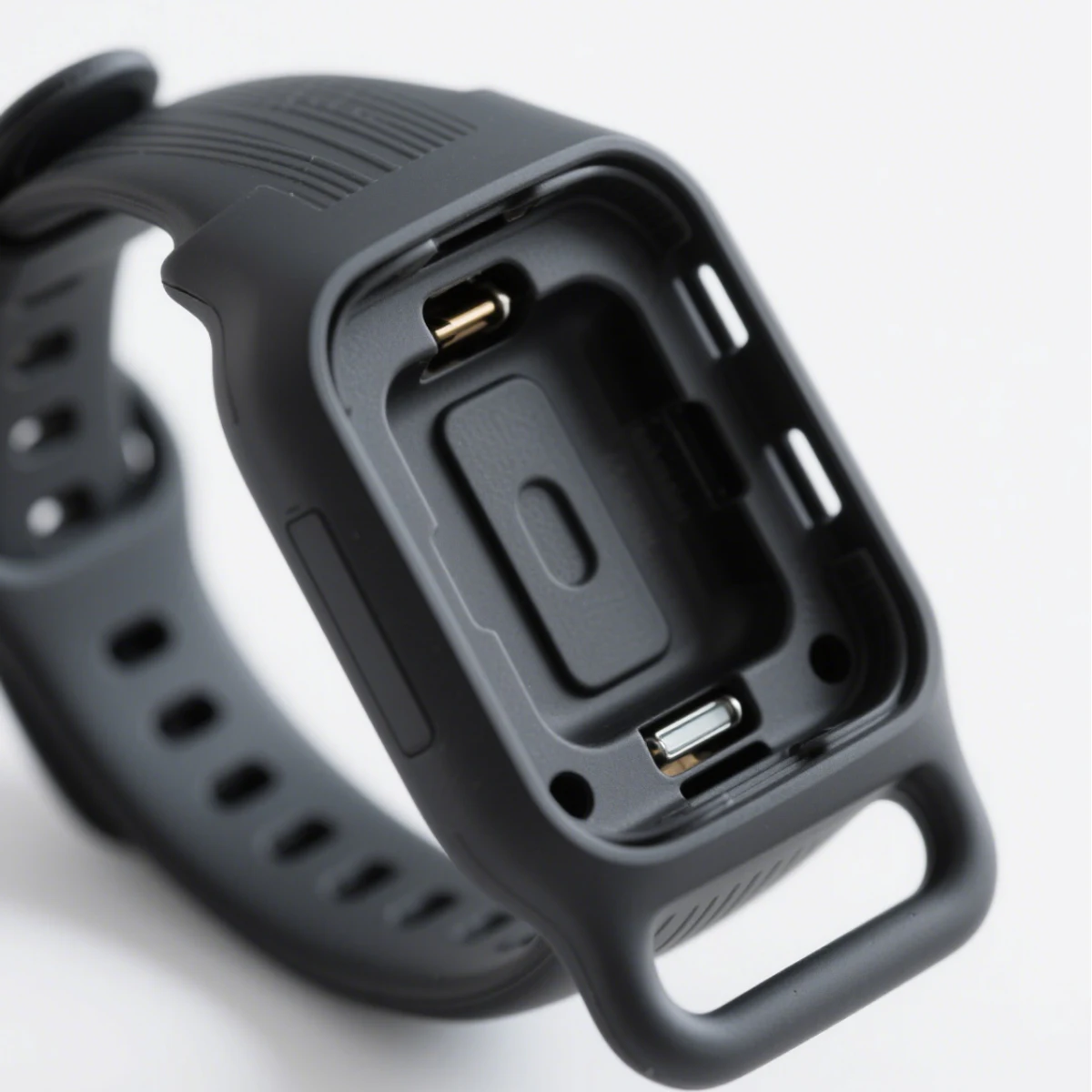
Review mounting relationships, component clearance and assembly space where internal structures are included.
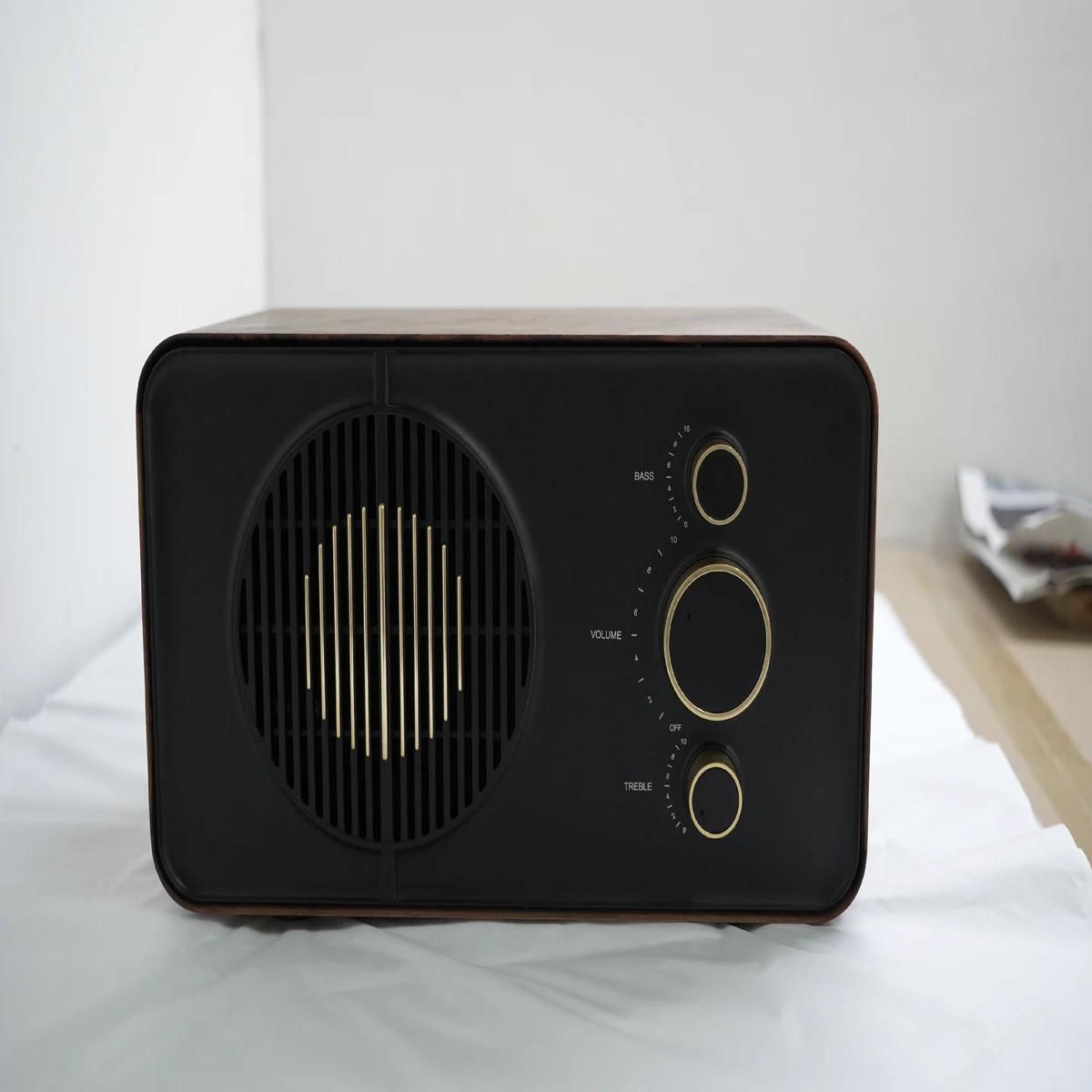
Evaluate how multiple prototype components work together as one physical product.
HUMAN INTERACTION
Physical models allow design and engineering teams to evaluate how a product is handled, reached, operated and perceived at real scale.
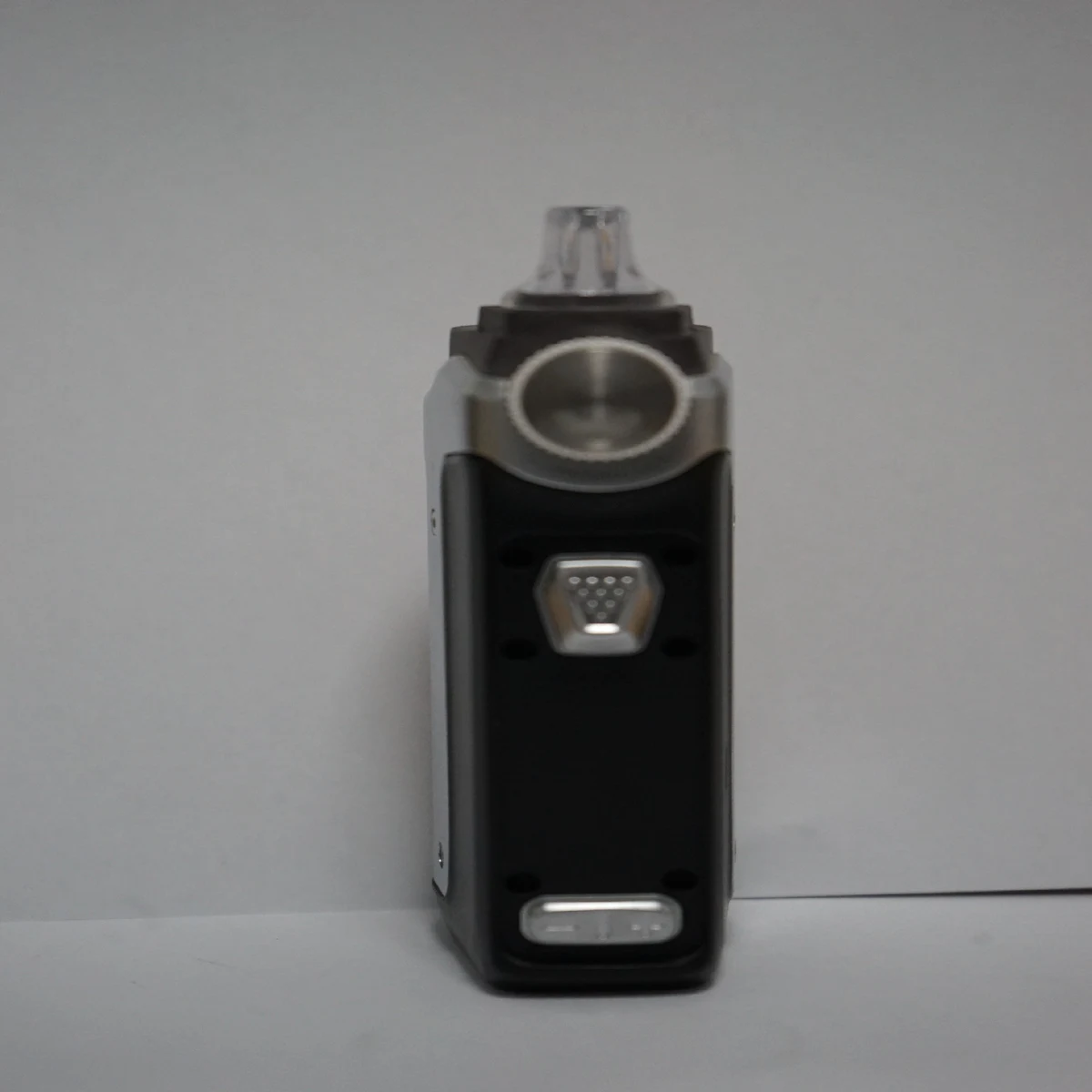
Evaluate how handheld or movable products feel during physical use.
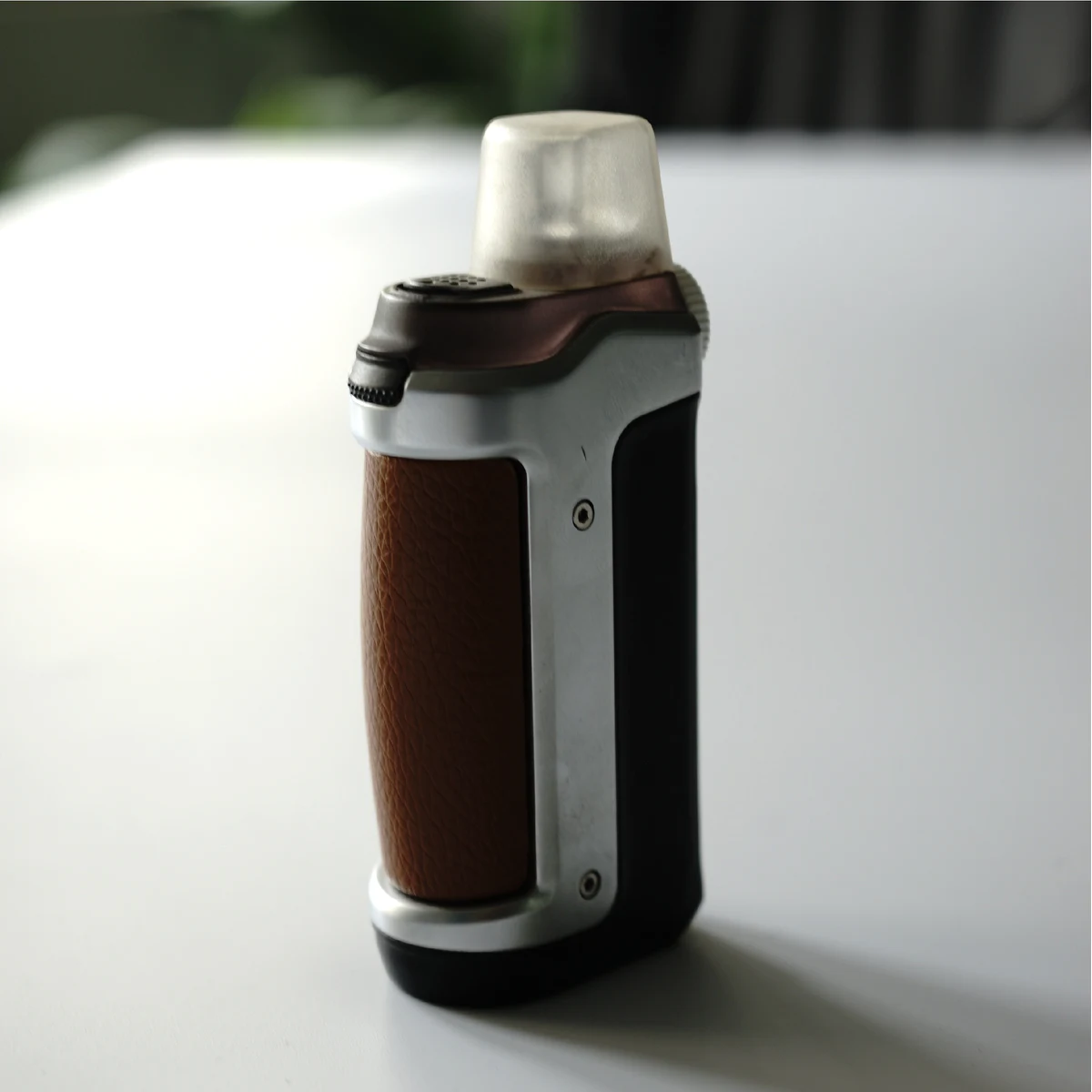
Review whether buttons, openings, service areas or touch points are positioned appropriately for the intended interaction.
Evaluate physical controls, interface locations and user-access features at full product scale.
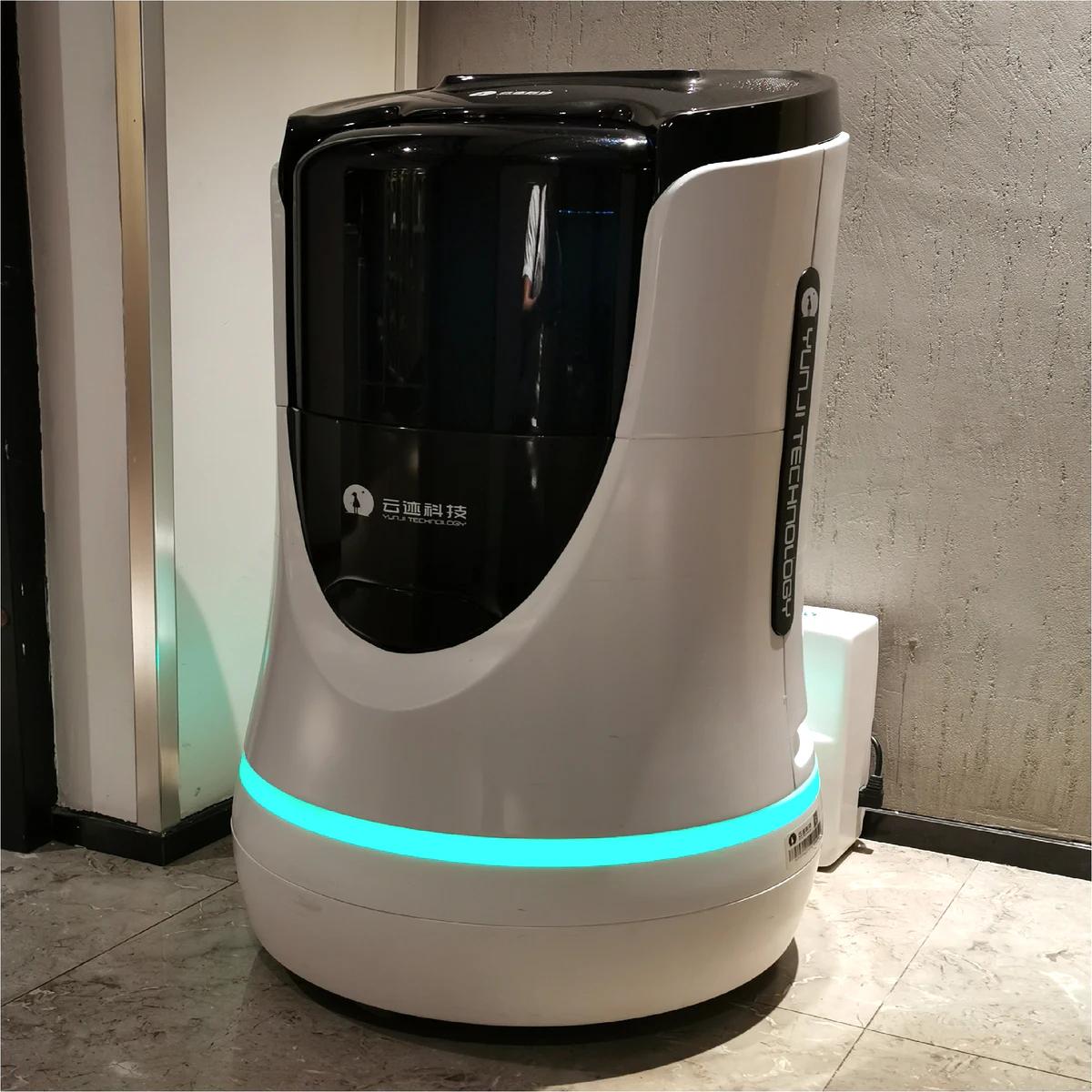
Review real-world size and proportion in ways that may not be obvious from screen-based design review alone.
HERUIYUN manufactures physical models based on supplied design data to support project-specific ergonomic and interaction review.
PROCESS SELECTION
The prototype manufacturing route should be selected according to what the physical model needs to demonstrate, not by process alone.
PROTOTYPE REQUIREMENT
MANUFACTURING ROUTE
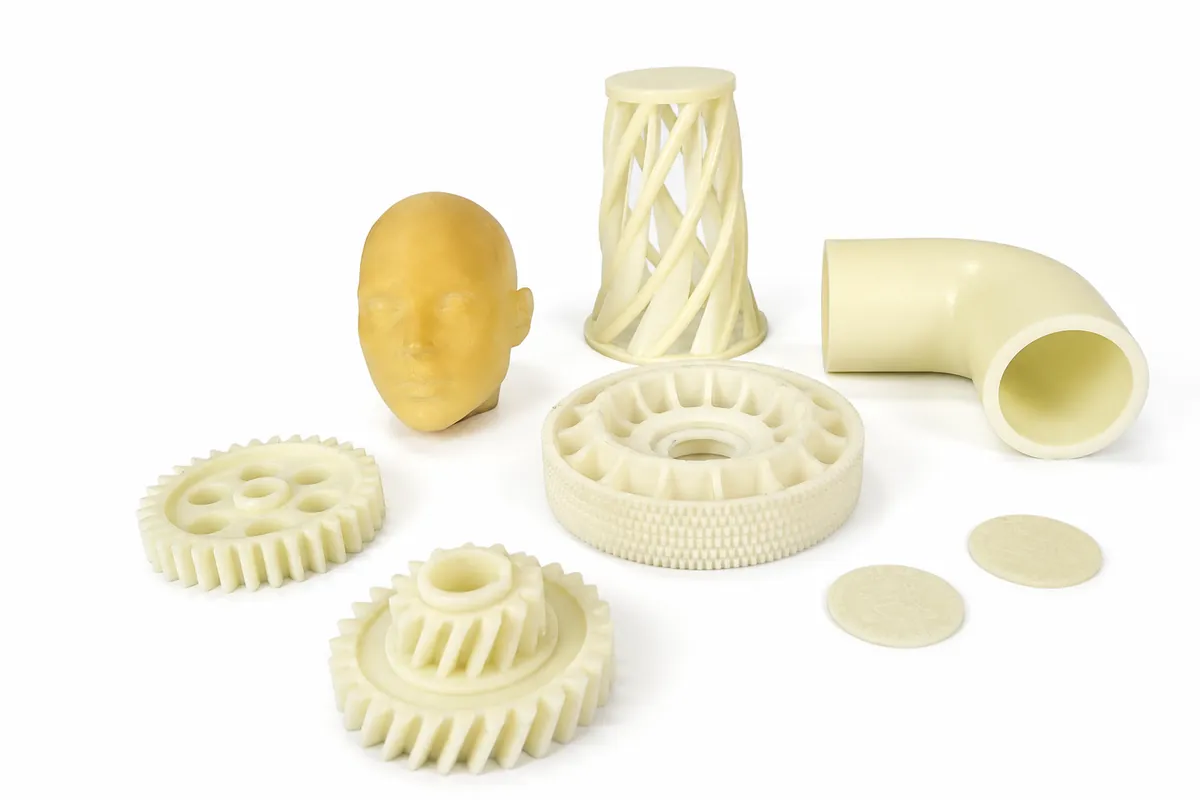
3D PrintingUseful for complex geometries and development stages where speed of physical iteration matters more than production tooling.
PROTOTYPE REQUIREMENT
MANUFACTURING ROUTE
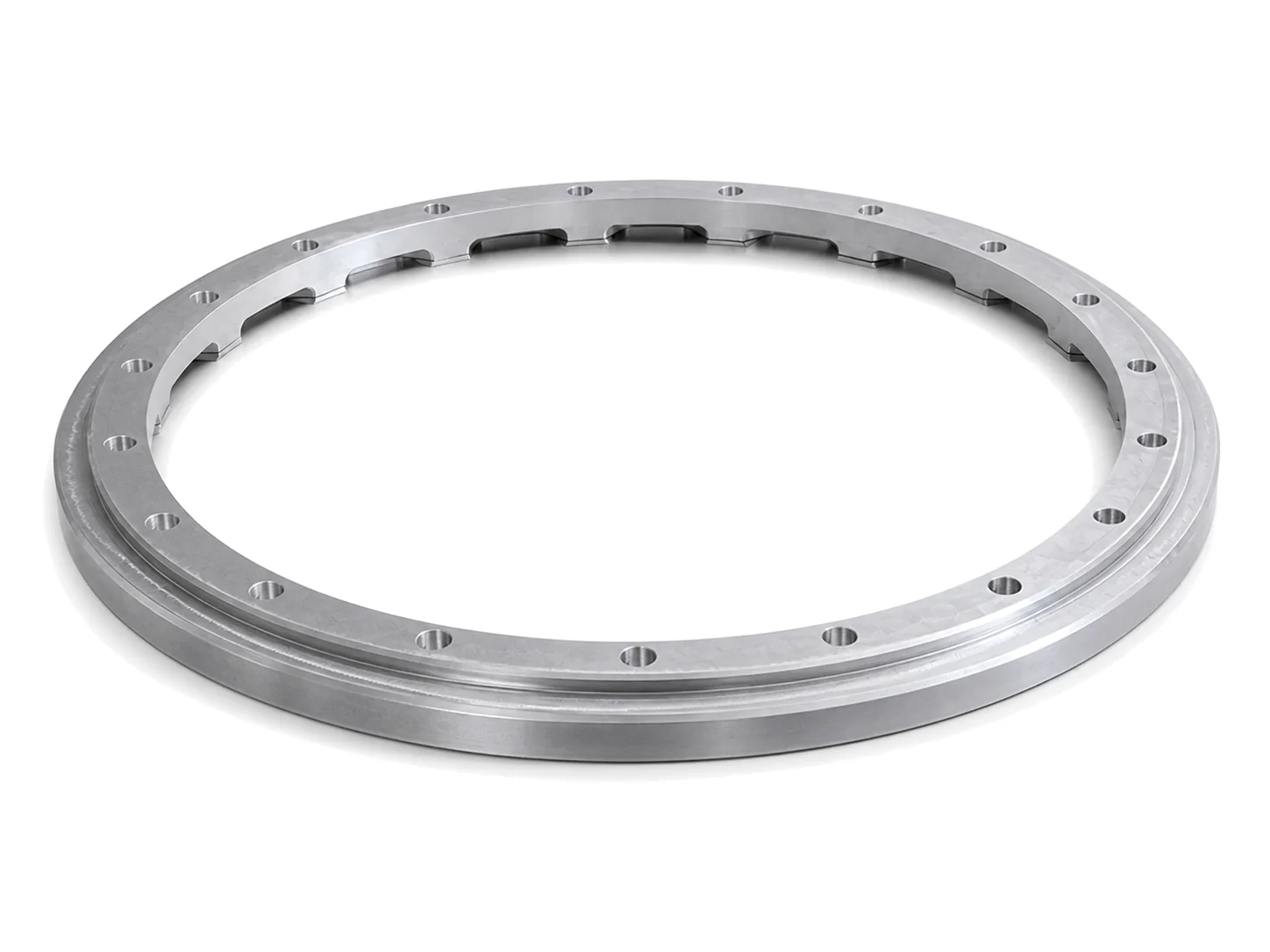
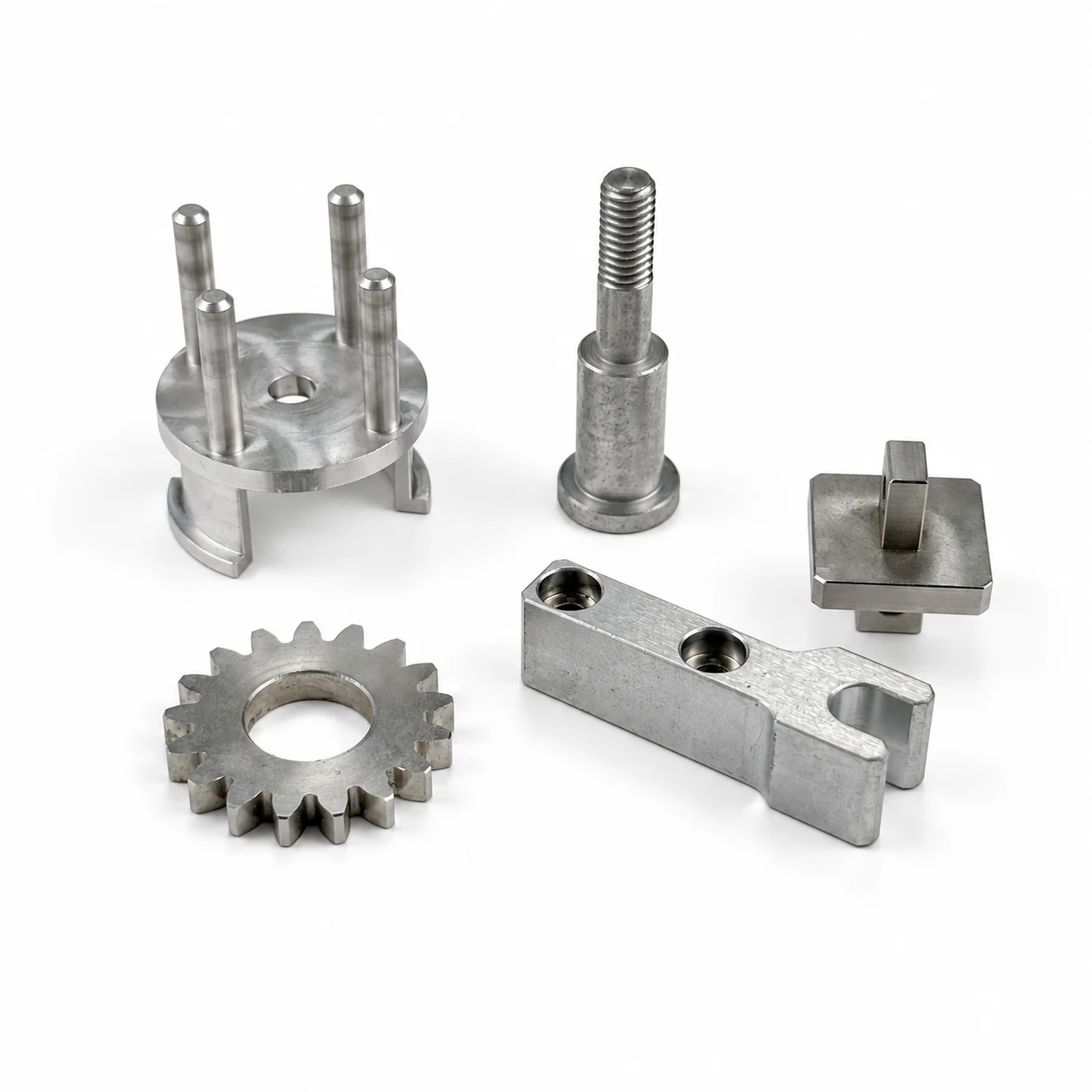
CNC MachiningSuitable where machined materials, dimensional control and production-intent geometry are important.
PROTOTYPE REQUIREMENT
MANUFACTURING ROUTE
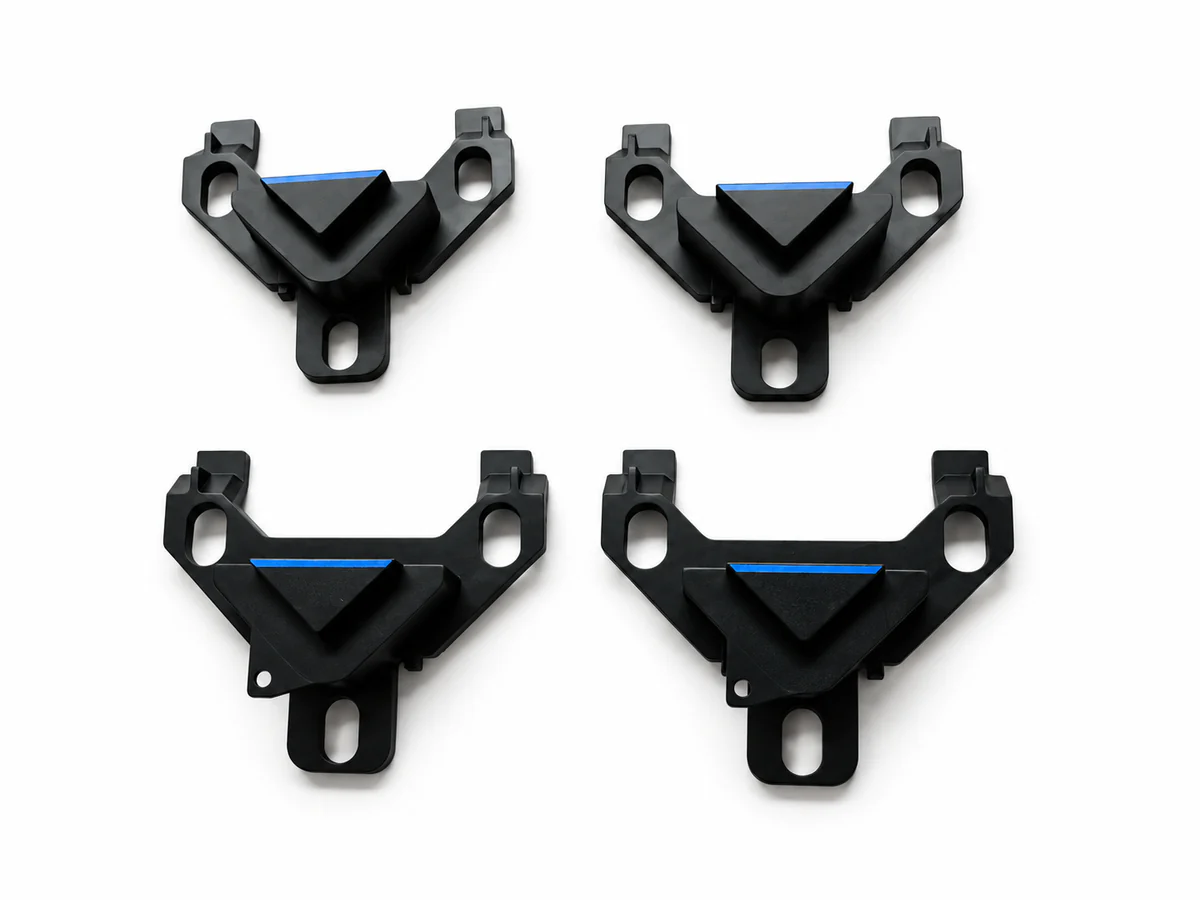
Rapid PrototypingUseful where several polymer-like prototype parts are required with consistent appearance or tactile characteristics.
PROTOTYPE REQUIREMENT
MANUFACTURING ROUTE
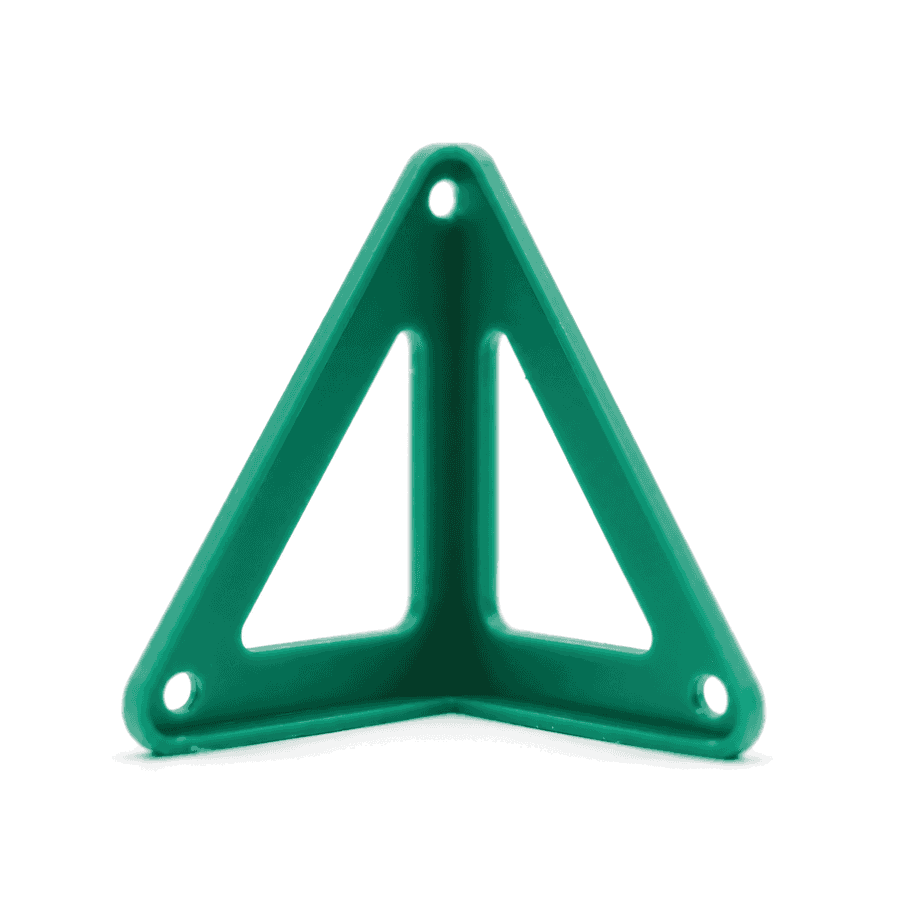
Reaction Injection MoldingMay support larger structural polymer prototype housings where project geometry and material requirements are suitable.
PROTOTYPE REQUIREMENT
MANUFACTURING ROUTE
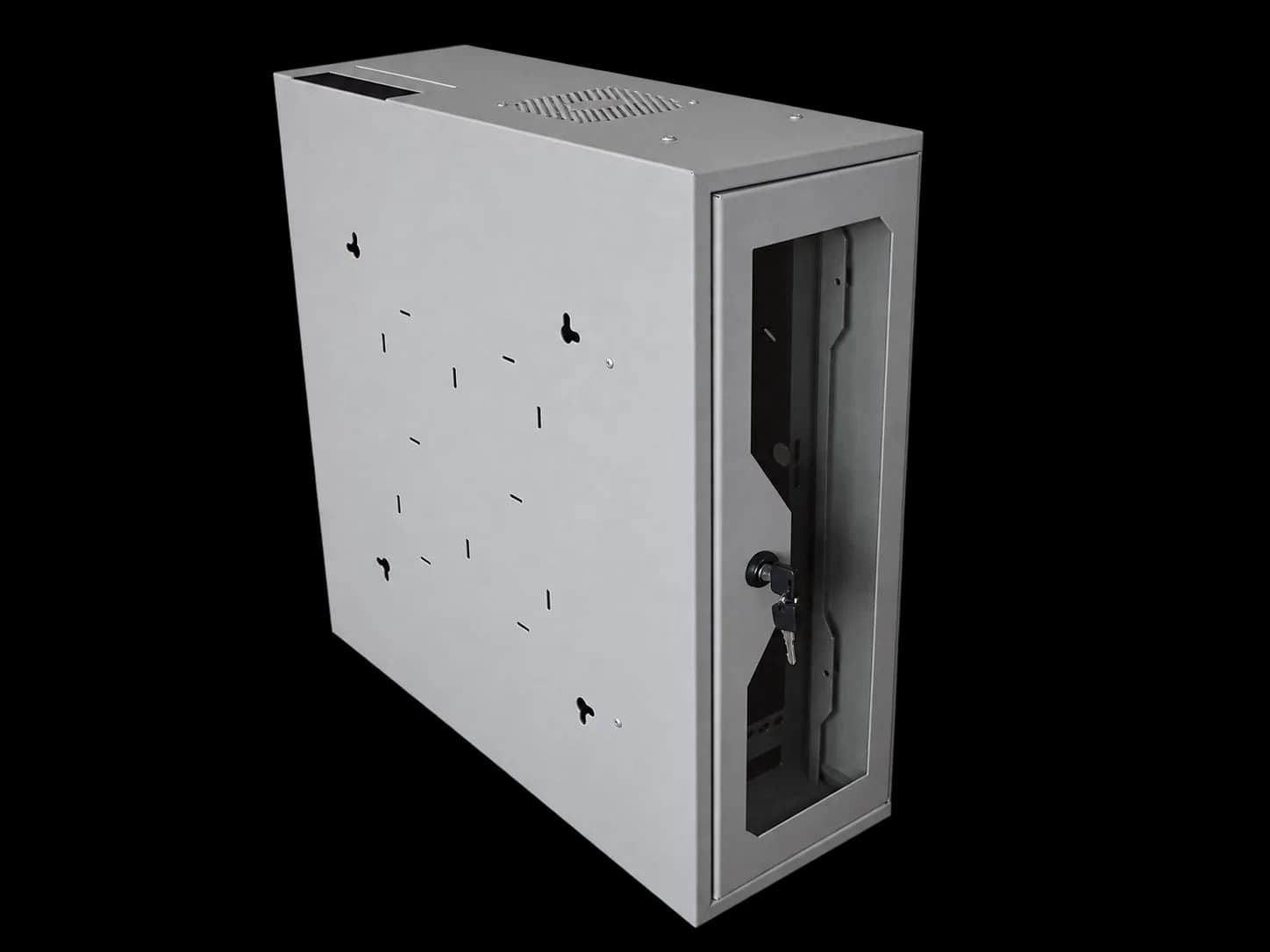
Sheet Metal FabricationSuitable for physical enclosure and structural prototype components that require cutting, bending, joining or finishing.
PROTOTYPE REQUIREMENT
MANUFACTURING ROUTE
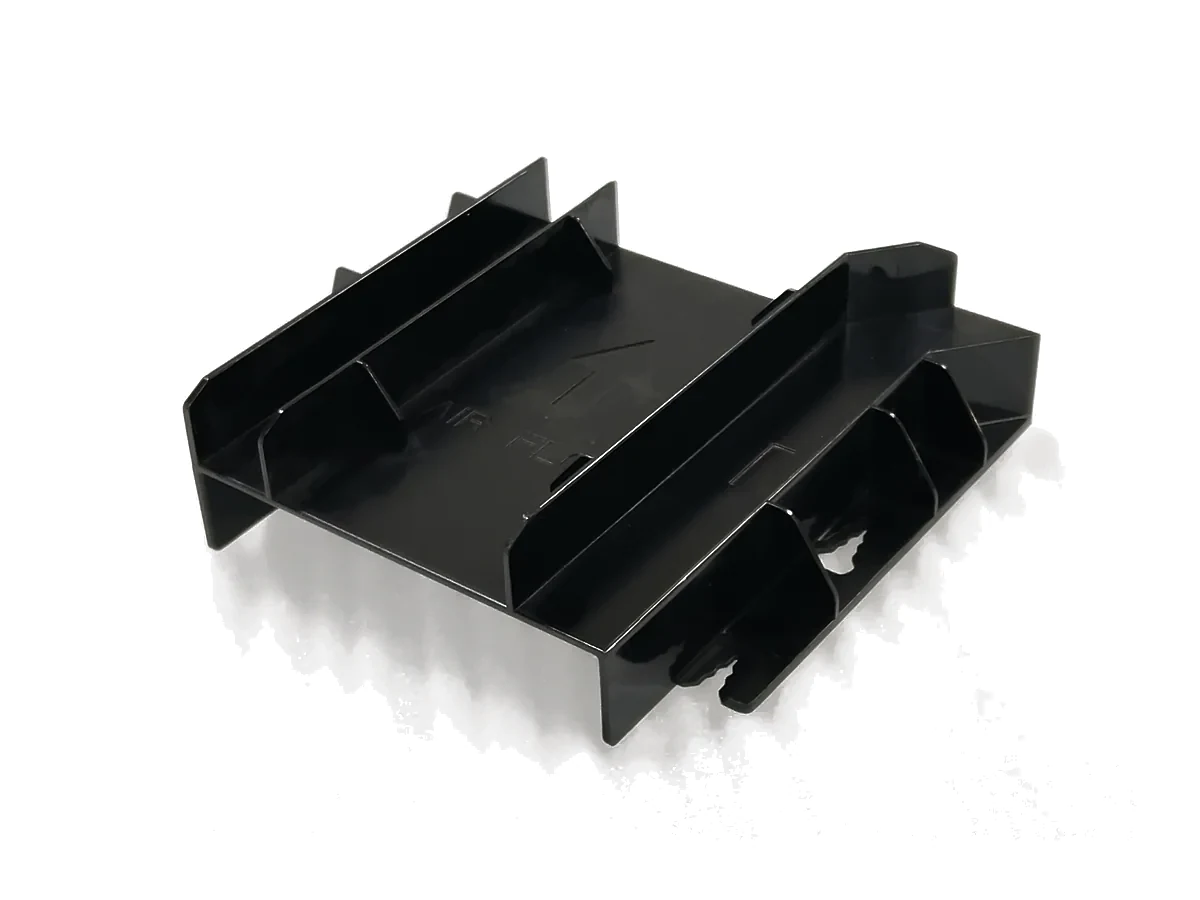
Injection MoldingMay become appropriate when the product design is mature enough to justify dedicated molded-part development.
PROTOTYPE REQUIREMENT
MANUFACTURING ROUTE
Surface FinishingUse project-specific finishing to support appearance, texture, marking or protective requirements.
PRODUCT SCALE
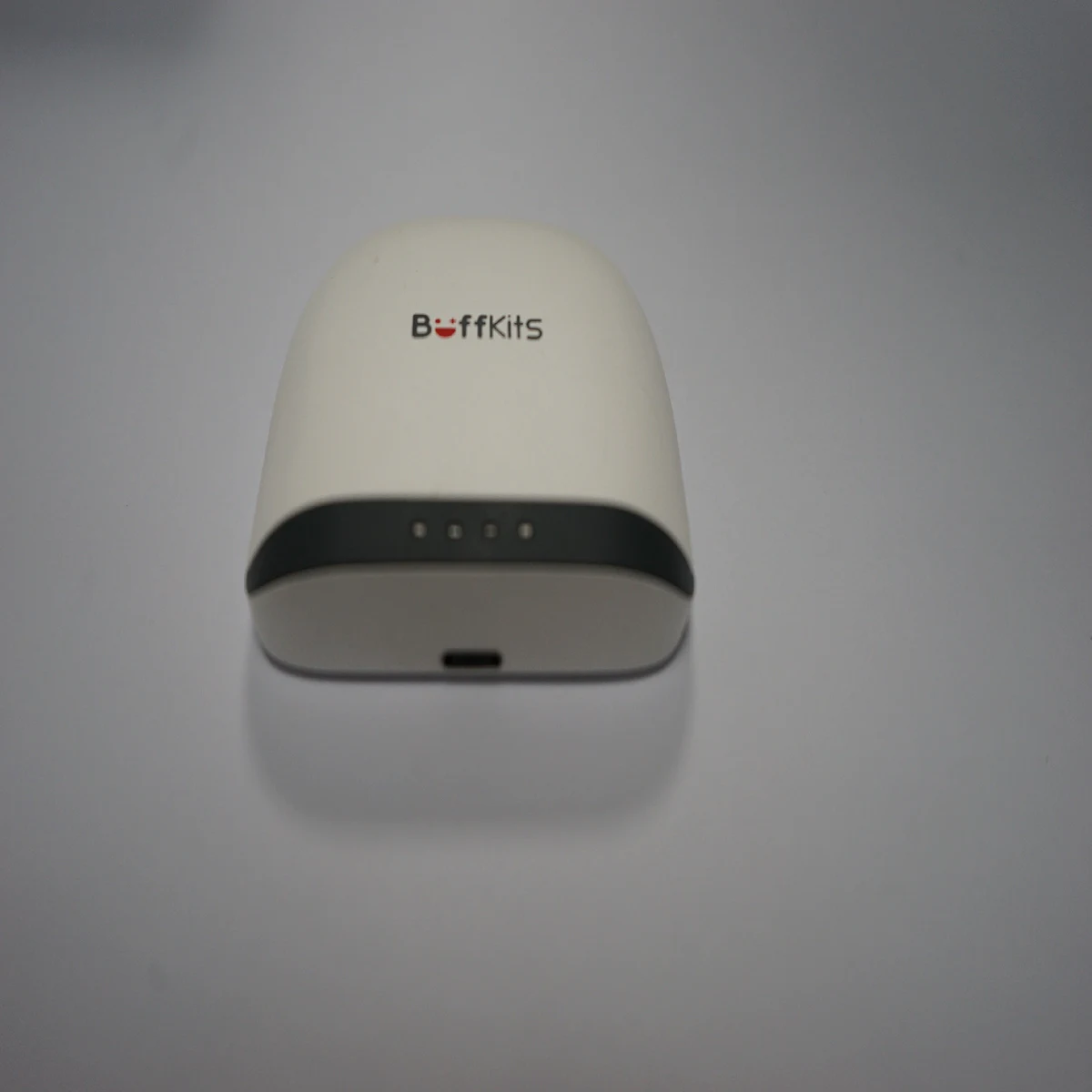
Prototype strategy changes as product scale, structure, assembly complexity and surface requirements increase.
Physical models can support grip, interaction, scale and appearance evaluation for products used directly by hand.
Complete physical models can support appearance, assembly, interface and enclosure review.
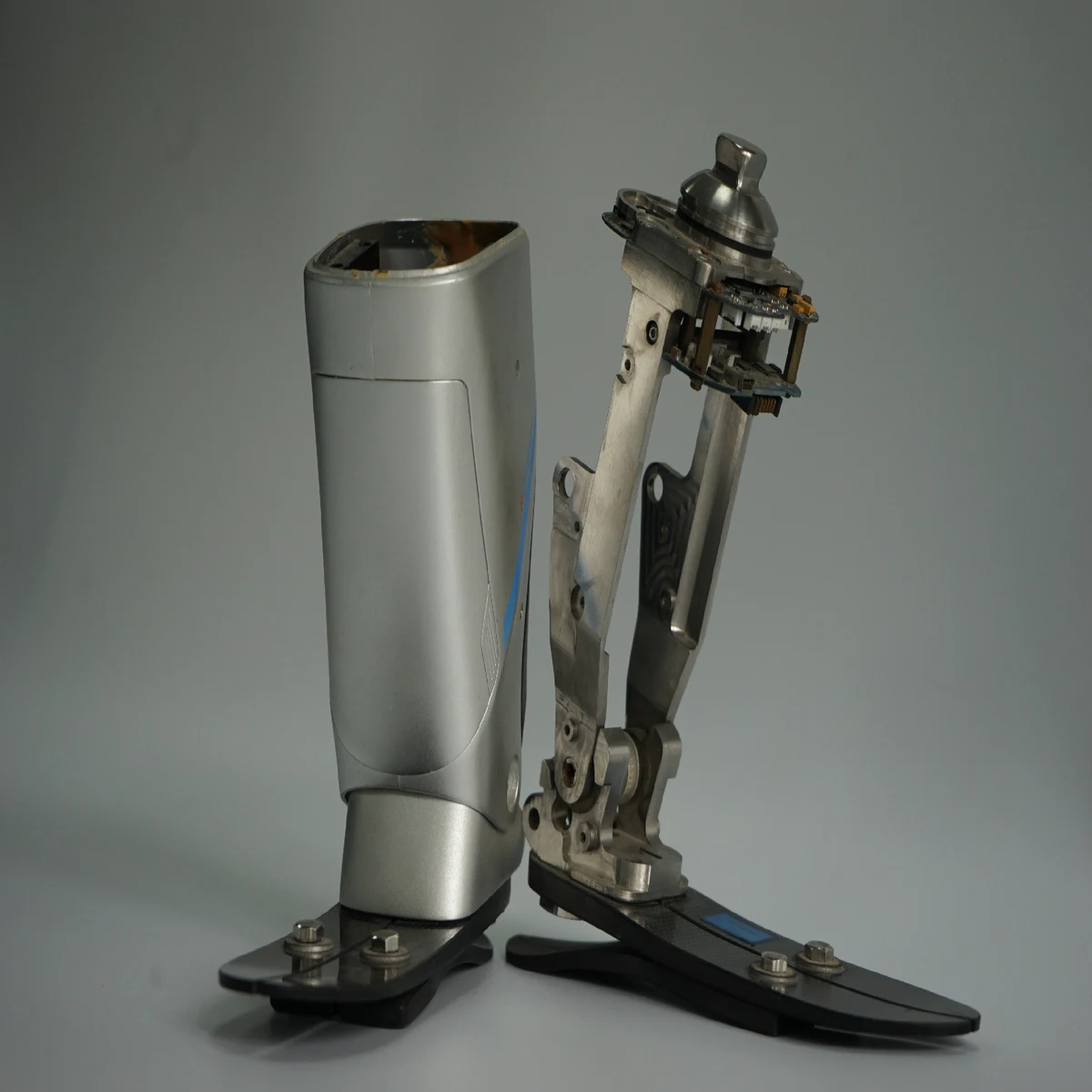
Larger prototypes may require a different combination of structure, fabrication, assembly and surface-finishing strategies.
REPRESENTATIVE MODELS
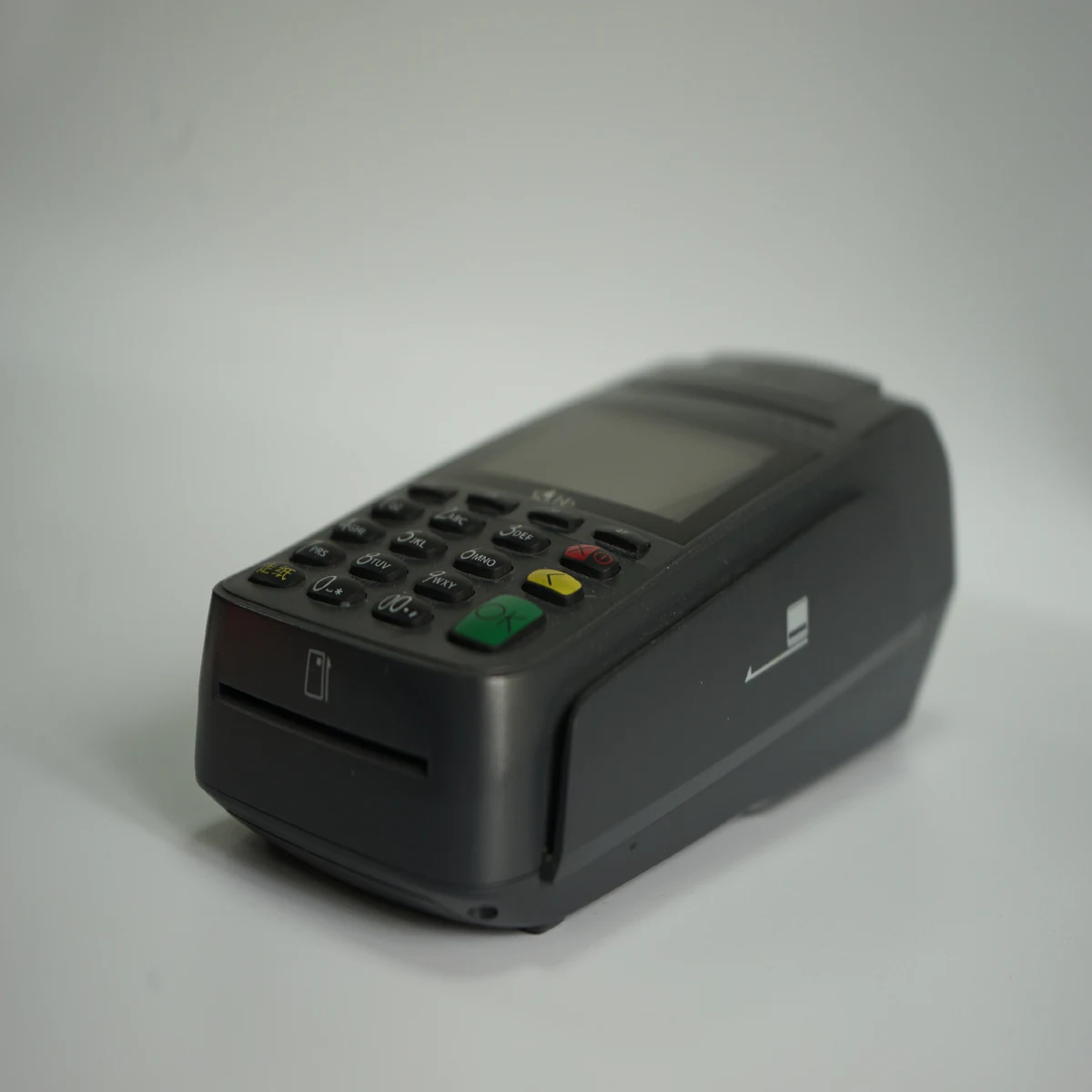
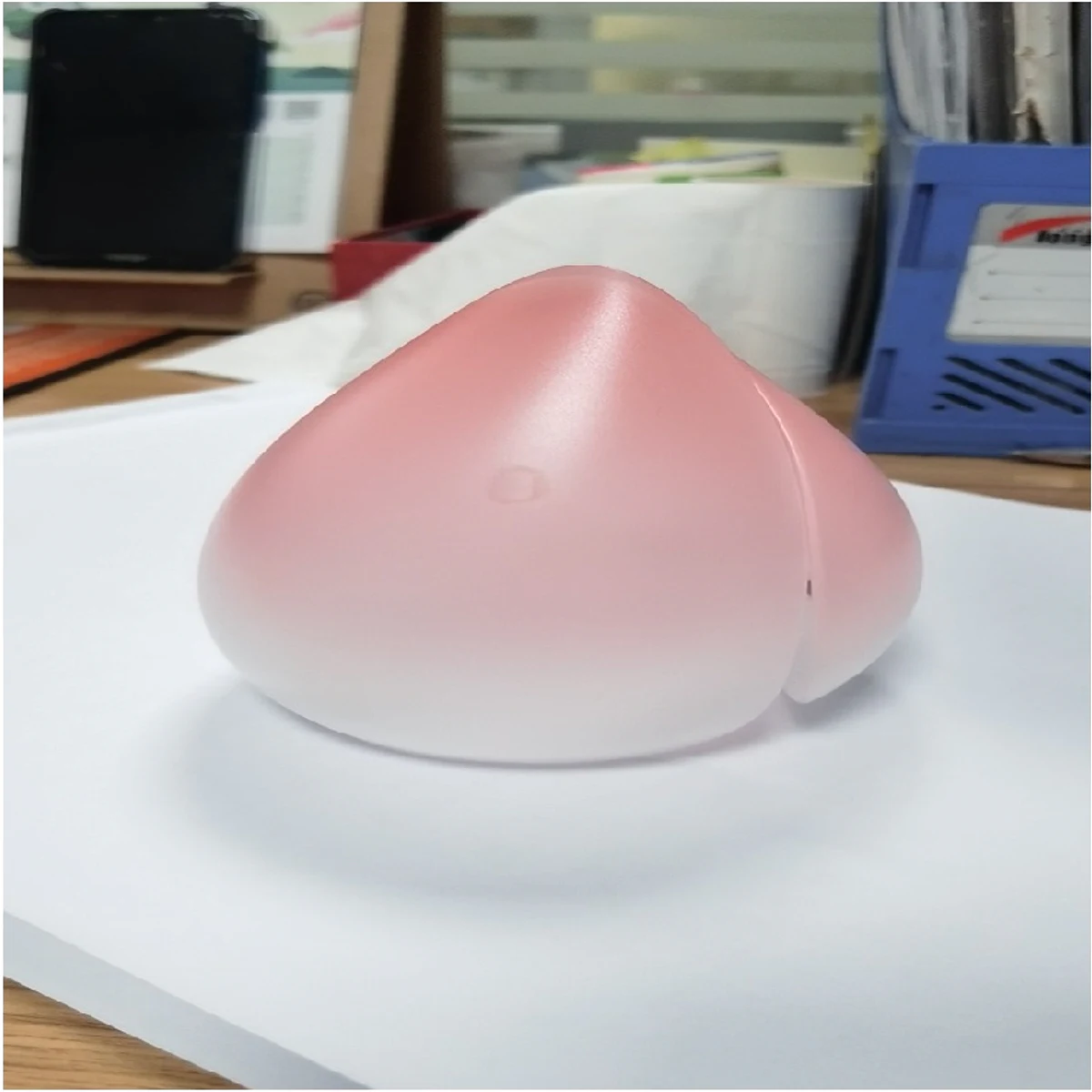
Physical models can support different combinations of appearance, interaction, assembly and engineering review throughout product development.
PROJECT PREPARATION
Model purpose is a critical project input. Indicate whether the physical model is primarily for appearance, ergonomic, presentation, assembly, functional, engineering or pre-production evaluation.
INDUSTRIAL MODEL FAQ
An appearance model focuses primarily on external form, proportion, color, texture and visual details. A functional prototype is intended to evaluate working features, fit, interaction or mechanical behavior where those functions are part of the project requirements.
DESIGN · PROTOTYPE · VALIDATE