
Rigid Polyurethane
- Housings
- Covers
- Structural prototypes
- General functional parts
Useful where the prototype needs a rigid plastic-like feel, stable enclosure geometry or repeated functional handling.
Produce repeated plastic-like prototype parts from silicone soft tooling when one-off printing is no longer enough, but hard injection-molding tooling is not yet justified.
HERUIYUN reviews the master pattern, polyurethane behavior, surface requirements, critical dimensions, quantity and demolding strategy before confirming the Vacuum Casting route.
Get Vacuum Casting Quote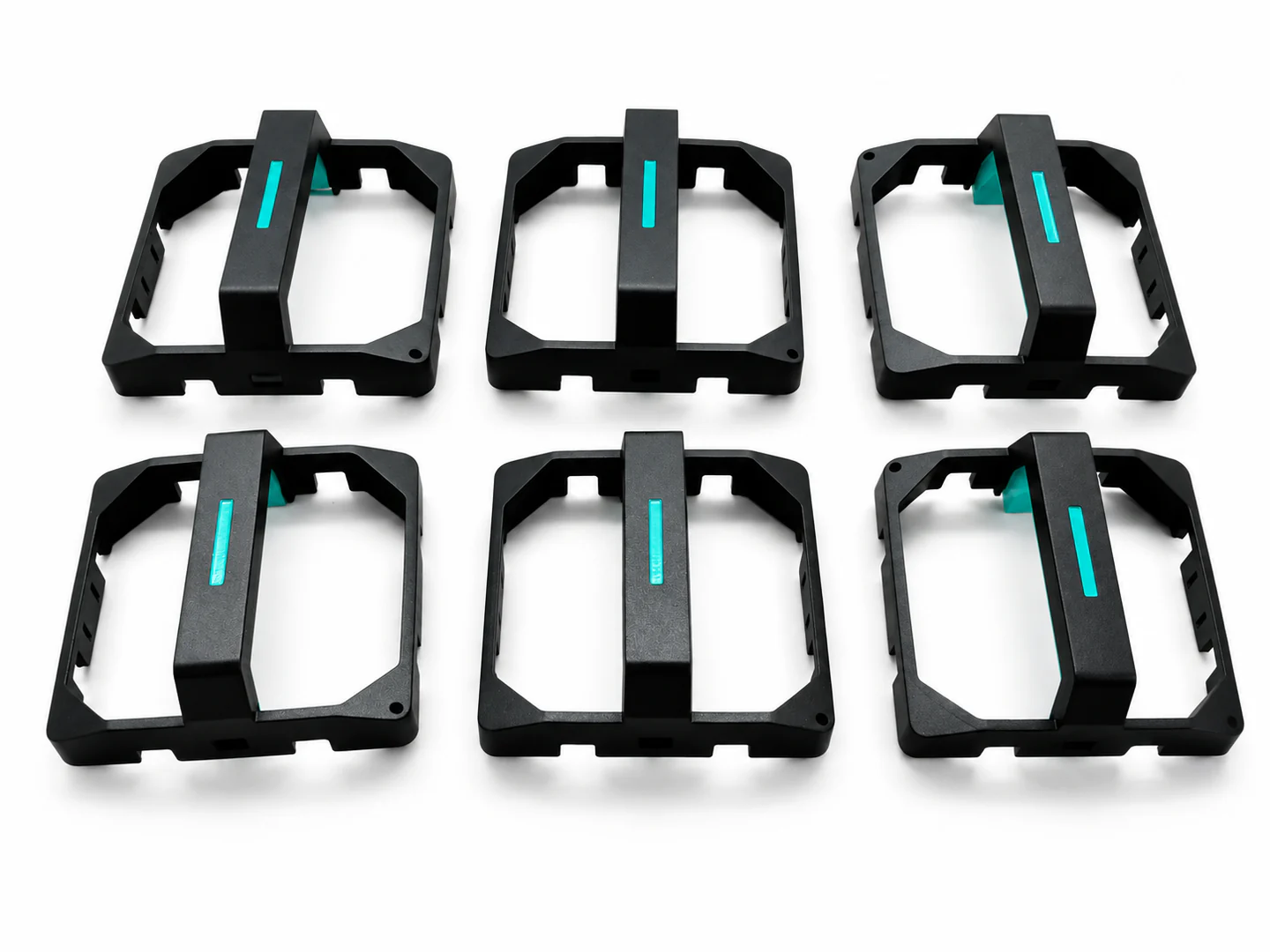
Vacuum Casting becomes useful when a design has moved beyond one-off concept models and needs repeated parts with more consistent appearance, plastic-like behavior or presentation quality.
Create repeated housings, covers and visible components for color, gloss, texture and overall product-presentation review.
Produce multiple similar parts from one approved master pattern without committing to production metal tooling.
Use rigid, flexible or selected polyurethane systems when the prototype must behave more like a molded plastic part than a purely visual model.
Use soft tooling to support engineering validation, pilot presentation or low-volume bridge needs before hard tooling becomes commercially justified.
Vacuum Casting capability depends on the master pattern, part geometry, polyurethane system, mold condition and required cosmetic / dimensional outcome.
Produce or approve the reference master that defines the final geometry and much of the visible surface quality.
Prepare the master around the required finish, texture, cosmetic zones and features that will be replicated into the silicone tool.
Create the flexible silicone tool and define the parting, opening and demolding strategy around the approved master.
Mix and cast the selected polyurethane system under controlled vacuum conditions to reduce trapped-air defects and reproduce the mold cavity.
Cure the cast part, remove it from the silicone mold and complete approved gate, flash or local cleanup operations.
Review color, surface condition, critical dimensions and batch consistency against the project requirements.
Vacuum-cast polyurethane can be selected to represent different visual and mechanical behaviors, but an “ABS-like” or “PC-like” casting is not automatically identical to the production thermoplastic it is intended to simulate.
Useful where the prototype needs a rigid plastic-like feel, stable enclosure geometry or repeated functional handling.
Useful when transparency, translucency or internal visual access is part of the prototype objective.
Useful where the prototype needs controlled flexibility, elastic feel or rubber-like behavior.
Useful when the prototype must communicate product color and overall visual intent before production tooling.
Polyurethane systems may simulate selected properties of production plastics; exact equivalence depends on the selected resin and the project requirements.
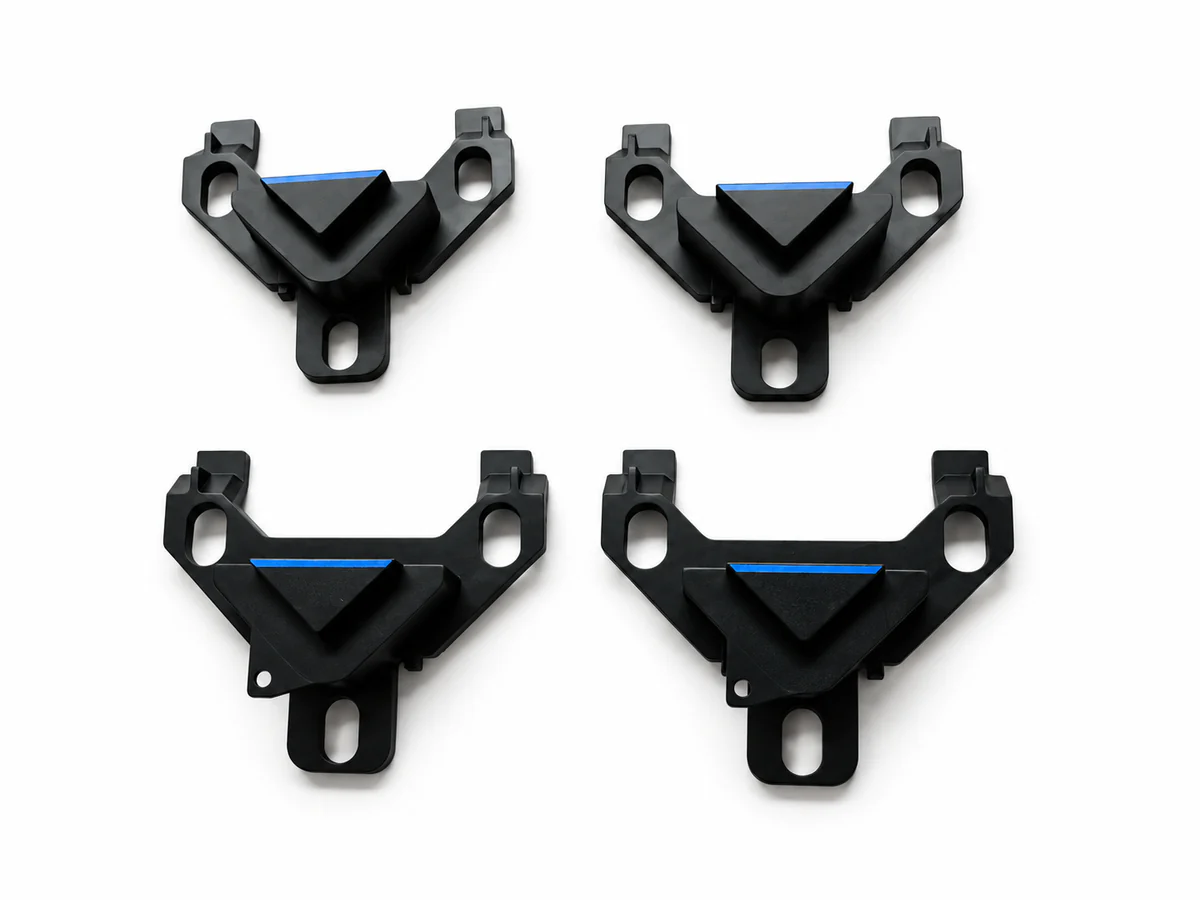
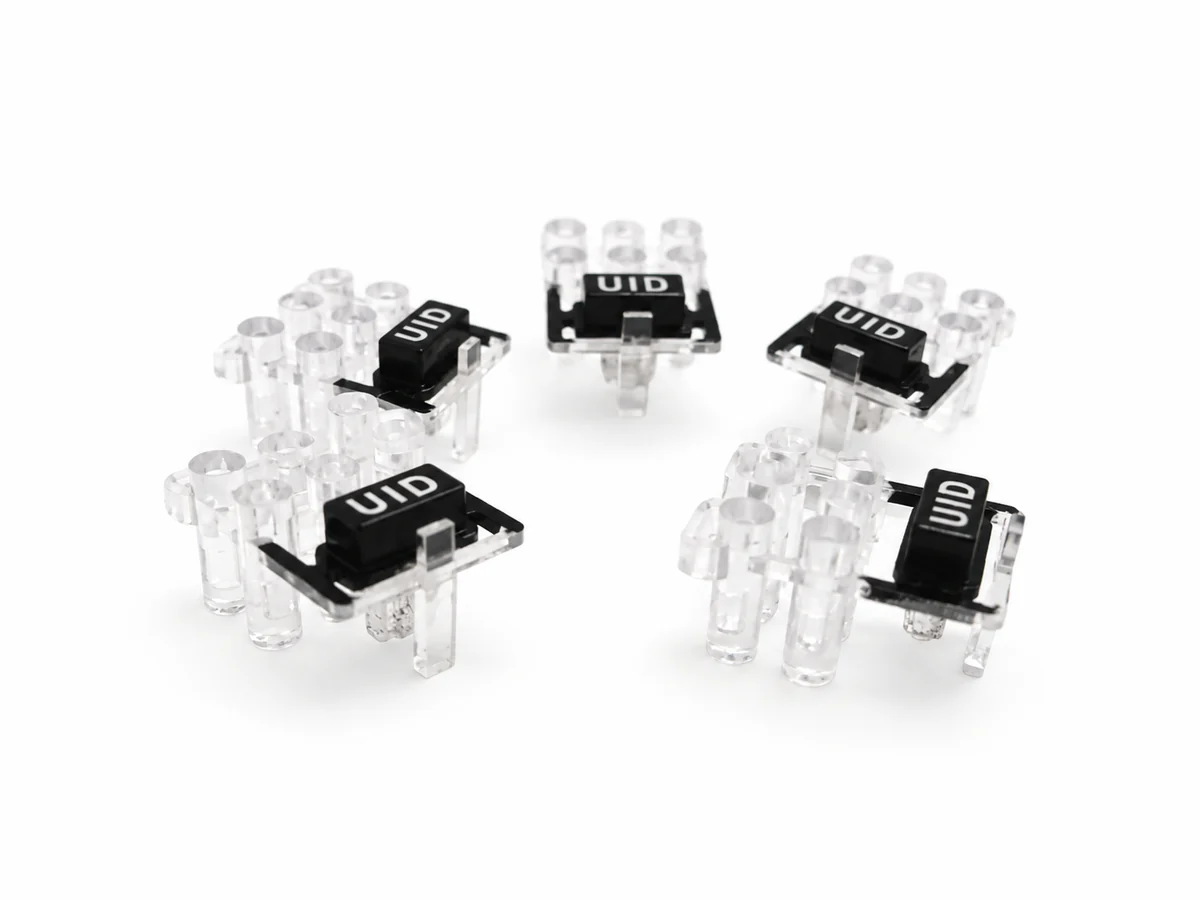
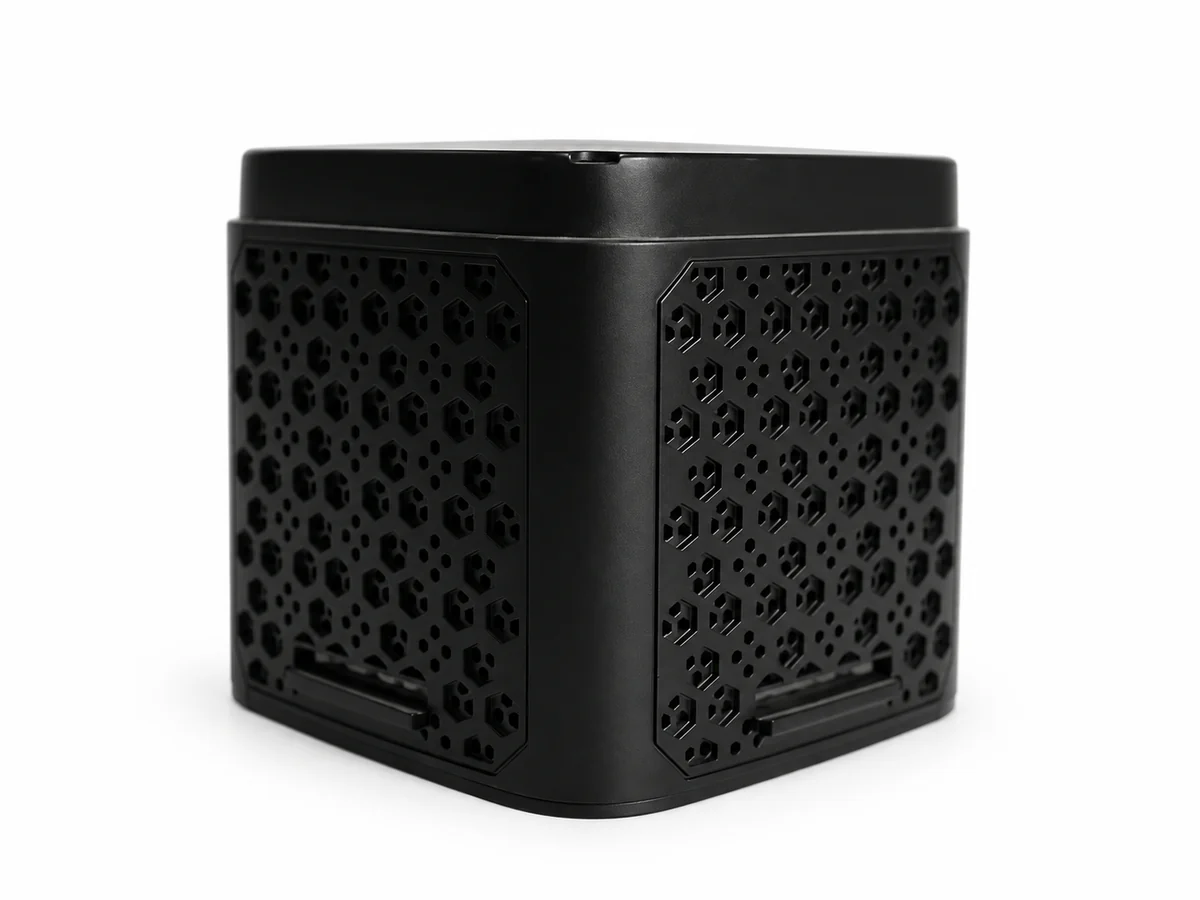
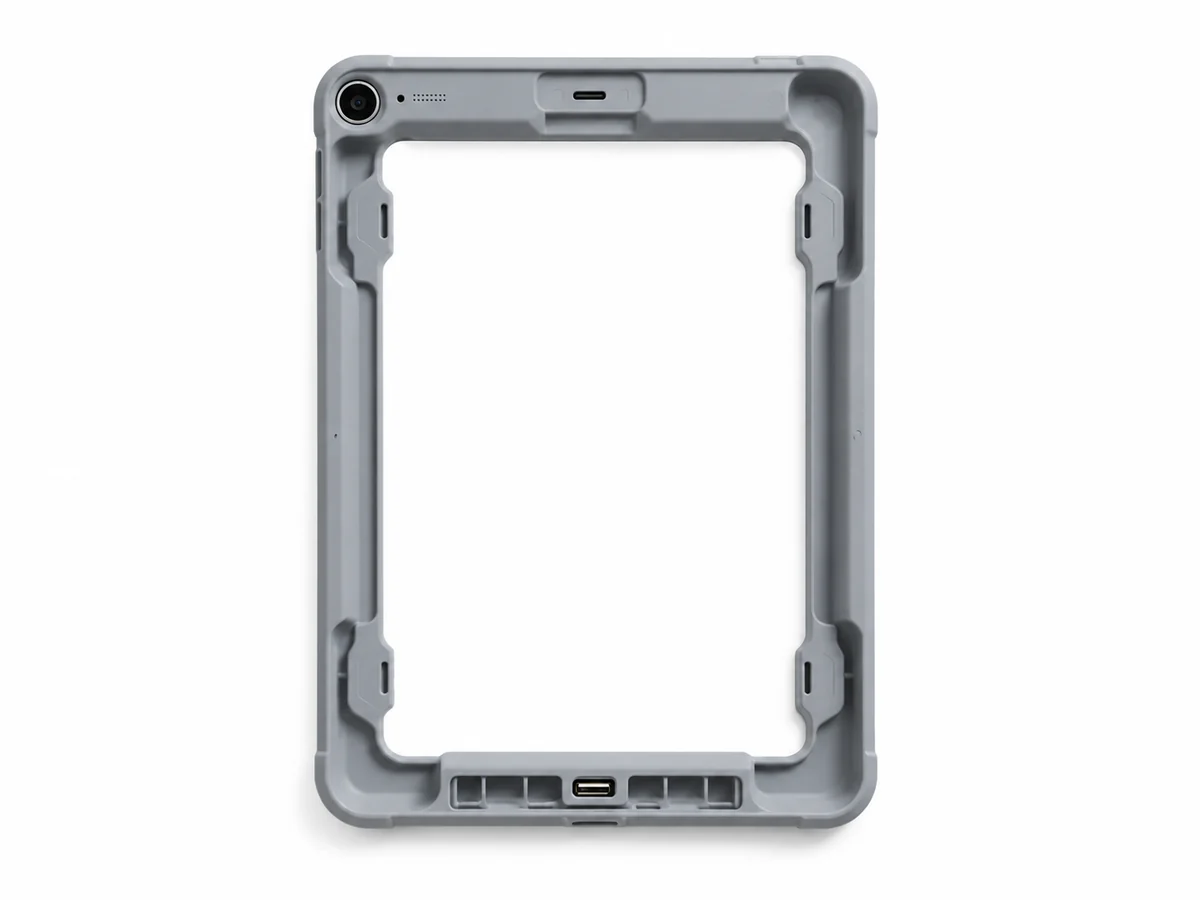
Color should be reviewed around the resin system, target appearance and whether exact production color matching is required.
Transparency depends strongly on master quality, resin selection, mold condition and the approved post-processing route.
The silicone tool reproduces the master surface, so master preparation and texture strategy directly influence the cast result.
Secondary operations are confirmed according to geometry, material and final presentation requirements.
Master-pattern quality, parting strategy and demolding behavior determine how consistently a silicone tool can reproduce the intended part.
Surface texture, tool marks, print artifacts and local defects on the master may transfer into the mold and then into every cast part.
Review directionFinish the master to the surface quality required for repeated replication.
The way the silicone tool opens affects seam location, demolding access and visible cosmetic zones.
Review directionKeep parting and seam location away from critical cosmetic or interface surfaces where practical.
Casting and vent features can leave local post-processing marks that should be planned around visible or functional areas.
Review directionIdentify cosmetic surfaces and critical interfaces before mold preparation.
Silicone is a limited-life soft tool. Undercuts, sharp features, resin chemistry and repeated demolding can gradually reduce replication consistency.
Review directionConfirm practical batch strategy around geometry, material and surface requirements.
Large thickness transitions can increase local shrinkage, cure and dimensional-variation risk.
Deep cavities or narrow channels may complicate mold filling, venting and demolding.
Flexible silicone tooling can release geometry that would be difficult for rigid tooling, but aggressive undercuts can still accelerate mold wear or damage parts during demolding.
Through-features and deep holes may require project-specific core, pin or local post-processing strategy.
Feature sharpness and texture fidelity depend on the master, silicone tool condition and the selected resin system.
Metal inserts, threaded features or installed hardware should be defined before mold strategy is finalized.
Vacuum Casting reproduces a physical master through a flexible mold and curing resin system. Dimensional capability therefore depends on the combined behavior of the master, silicone tool, material, geometry and mold condition.
The casting cannot improve geometry that is already inaccurate in the approved master.
Larger dimensions may accumulate more absolute dimensional variation.
Heavy or uneven sections can influence shrinkage and local deformation.
Different polyurethane systems can cure and shrink differently.
Tool wear over repeated cycles can affect surface and dimensional consistency.
Interfaces, mating surfaces and critical dimensions should be identified on the drawing rather than assumed from general tolerance guidance.
Critical dimensions should be identified on the drawing and confirmed after engineering review.
Silicone tooling is designed for short-run replication rather than indefinite production. Practical mold life depends on how the mold is loaded, opened, flexed and chemically exposed during each casting cycle.
Material chemistry and cure behavior can influence mold wear.
Sharp details, deep geometry and aggressive undercuts can increase stress during demolding.
Parts that require significant mold flex or pulling may shorten practical tool life.
A mold may remain usable dimensionally while no longer meeting a strict visible-surface requirement.
Batch directionPractical mold life and batch size are confirmed according to geometry, resin, surface requirements and the acceptable level of variation.
Bridge-production reviewWhen demand grows beyond the practical soft-tooling range, the project should be reviewed for another manufacturing route rather than forcing the silicone tool beyond its intended use.
| Attribute | 3D Printing | Vacuum Casting | Injection Molding |
|---|---|---|---|
| Tooling | None | Silicone soft tooling | Production tooling |
| Best Development Stage | Early iteration | Validation / small batch | Pilot / production |
| Design Change Cost | Low | Master / mold update required | Higher after tooling |
| Surface / Cosmetic Potential | Process-dependent | High cosmetic potential | Production-intent |
| Material Route | Additive-specific materials | Polyurethane simulation | Production thermoplastics |
| Repeated-Part Use | Useful for iteration / small quantities | Strong use case | Strong at scale |
| Upfront Tooling Commitment | Low | Moderate | Higher |
Review drawing-defined critical dimensions, hole locations, mating surfaces and installation interfaces.
Compare repeated parts for geometry, local variation and the consistency needed for the project stage.
Review color, gloss, transparency, visible seams, surface defects and presentation requirements where applicable.
Review mating parts, assembly clearance, hardware interfaces or agreed functional requirements.
Inspection scope follows the drawing and prototype objective rather than assuming one universal CMM or cosmetic-inspection plan for every cast part.
Provide the latest approved part geometry for master-pattern and mold review.
Identify critical dimensions, tolerances, interfaces and cosmetic zones that cannot be inferred safely from the model alone.
State the expected number of parts so mold-life and batch strategy can be reviewed realistically.
State whether the target is rigid, flexible, clear, color-matched or another project-specific behavior.
Define matte, gloss, texture, transparency, paint or visible-surface expectations.
Explain whether the parts are for appearance, form / fit, functional testing, market presentation or low-volume bridge use.
Use the project review to align the master, material behavior, quantity, finish and critical features before a mold is prepared.
They commonly refer to the same prototype-manufacturing family: a master pattern is used to create a flexible silicone mold, and polyurethane resin is then cast into that mold to produce repeated plastic-like parts. “Vacuum Casting” emphasizes the casting process, while “Urethane Casting” emphasizes the polyurethane material system.
Vacuum Casting becomes useful when you need multiple similar parts, more consistent cosmetic presentation, selected polyurethane behavior or a small batch replicated from one approved master. Direct 3D printing is generally more flexible for early design iteration and frequently changing geometry.
There is no single mold-life number that applies to every project. Practical life depends on part geometry, undercuts, resin chemistry, demolding stress and cosmetic requirements. HERUIYUN confirms the batch strategy after reviewing the design and material route.
Clear or translucent polyurethane parts can be reviewed where the selected resin, master quality, mold condition and finish route support the required optical appearance. Critical transparency requirements should be defined before production.
Yes, selected flexible and elastomer-like polyurethane systems can be reviewed for grips, seals, soft-touch components and other prototype applications. Required hardness and functional behavior should be defined as part of the project review.
Dimensional capability depends on the master pattern, part size, wall thickness, polyurethane system, mold condition and the location of critical features. Important dimensions should be identified on the drawing and confirmed through engineering review rather than relying on one universal tolerance.
Color, texture, gloss, matte and transparency targets can be reviewed as part of the casting and finishing strategy. Final appearance depends on the master surface, resin system, mold replication and any approved secondary finishing operations.
The transition should be considered when quantity, repeatability, production material, tooling economics or long-term consistency make silicone soft tooling less appropriate. The next manufacturing route is reviewed according to the product stage and commercial requirement.
Upload your CAD and drawing for review of master-pattern strategy, polyurethane behavior, quantity, surface requirements and critical dimensions.