
A factory visit driven by a love of watches
On September 21, 2026, a UK customer visited the HERUIYUN factory during his holiday. The visit was connected to a personal interest rather than his regular work: alongside collecting watches, he designs watches under his own brand. For him, a watch tells a story.
In the source account, the customer is referred to as Mr. Tanaka. His experience with repeated prototypes led to a wider conversation about 3D printing, CNC machining and the features that make an independently designed product worth pursuing.
The question was not simply whether one manufacturing process was better than another. It was why a designer might choose an additive feature, accept a more involved finishing route and still see that choice as essential to the product.
Why one process cannot cover every design
The conversation considered four connected limits: materials, geometry, size and surface treatment. The development of additive manufacturing has expanded design possibilities, but it has not removed the need to qualify a particular material and process for a particular part.
For aluminum printing, the source discussion mentions AlSi10Mg and 6061, and raises questions about access to grades such as 7050 and 7020. A grade should not be assumed to be available, qualified or interchangeable merely because another aluminum alloy can be printed. Confirm the selected supplier's process and material offering for the actual project.
The same applies to geometry. Very thin regions, large changes in section thickness and restrained features can make distortion and residual stress part of the planning discussion. Printing may enable a shape that is difficult to cut, while still requiring attention to supports, orientation and subsequent operations.
Size and finishing remain project decisions
Increasing the part size can make process control, distortion management, equipment cost and handling more demanding. Powder handling also requires the appropriate facility controls. These considerations belong in a process-specific assessment rather than a blanket claim that larger prints are always practical or always uneconomic.
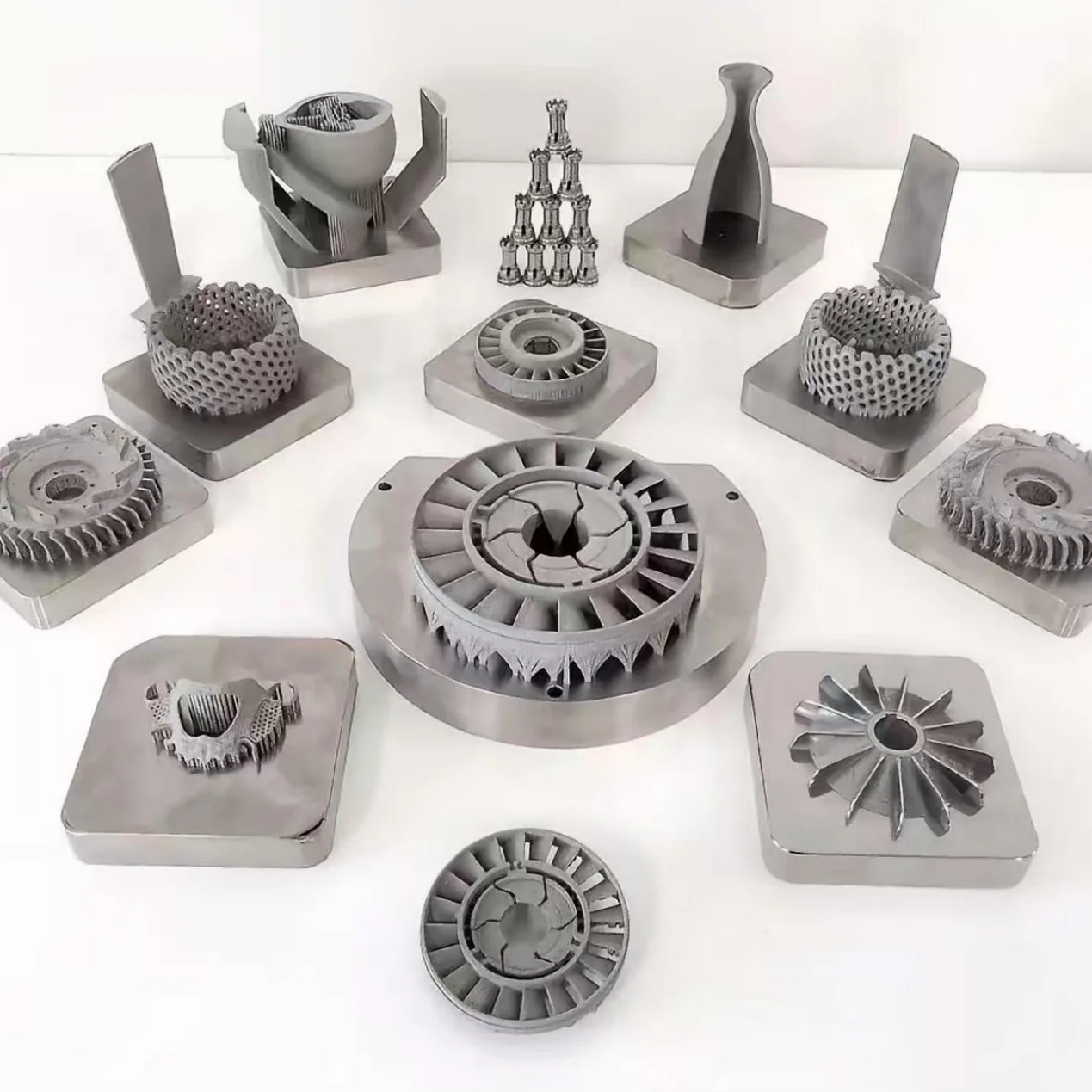
The source account cites plastic and metal build envelopes of 1700 × 800 × 650 mm and 490 × 320 × 300 mm respectively. These recorded figures should be confirmed against the current equipment, material, orientation and usable build area before they are used to specify or quote a project. A build envelope is not a guarantee that every part within it can be produced successfully.
Surface treatment needs a similar review. The discussion highlights moisture uptake in SLA resin and the possibility of blistering during an unsuitable electroplating route. Resin selection, curing, preparation and bath compatibility must be considered together; the example should not be read as a universal prohibition or an assurance that a particular plating route will work.
A planned surface finish can affect the choice of prototype material and the way the part is manufactured. Appearance should therefore be discussed early, alongside the geometry and intended use.
Printing the geometry, machining the surfaces
Mr. Tanaka described two boxes of printed prototypes accumulated over dozens of trials, with nearly a hundred unsuccessful samples. These figures belong to his account of one development effort; they are not a benchmark for expected print yield or a claim about every supplier.
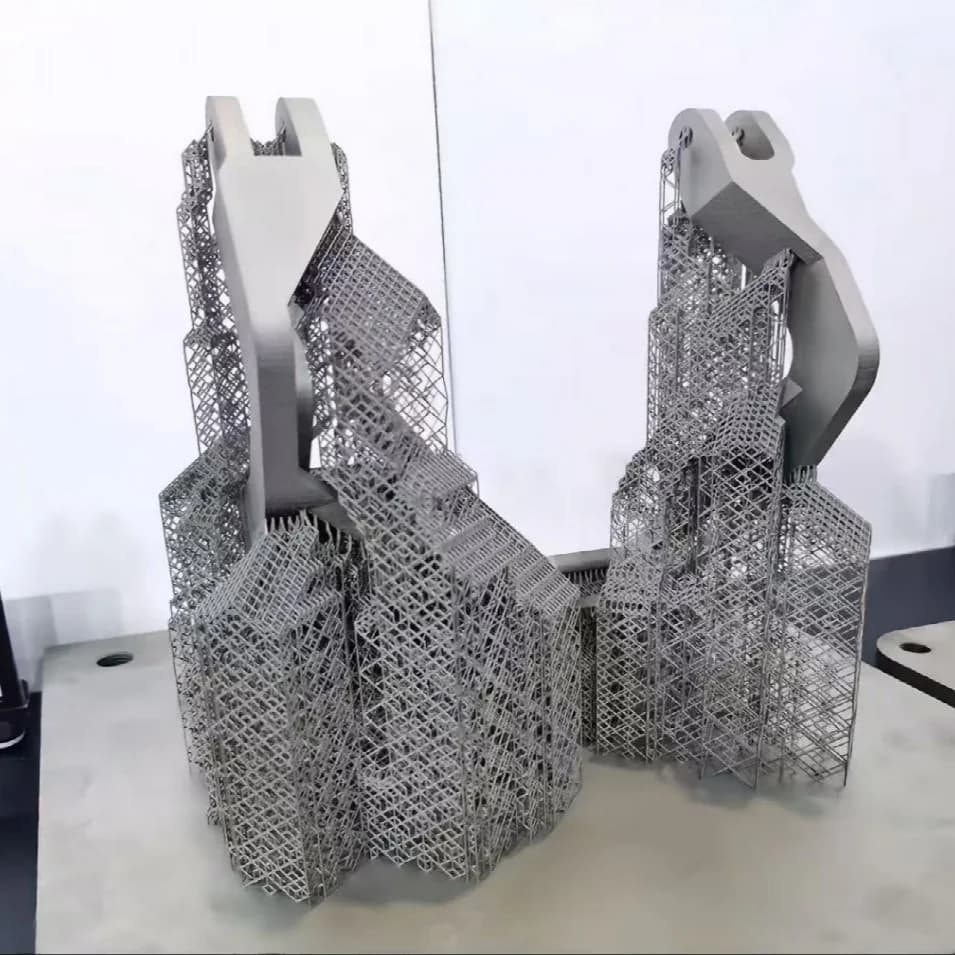
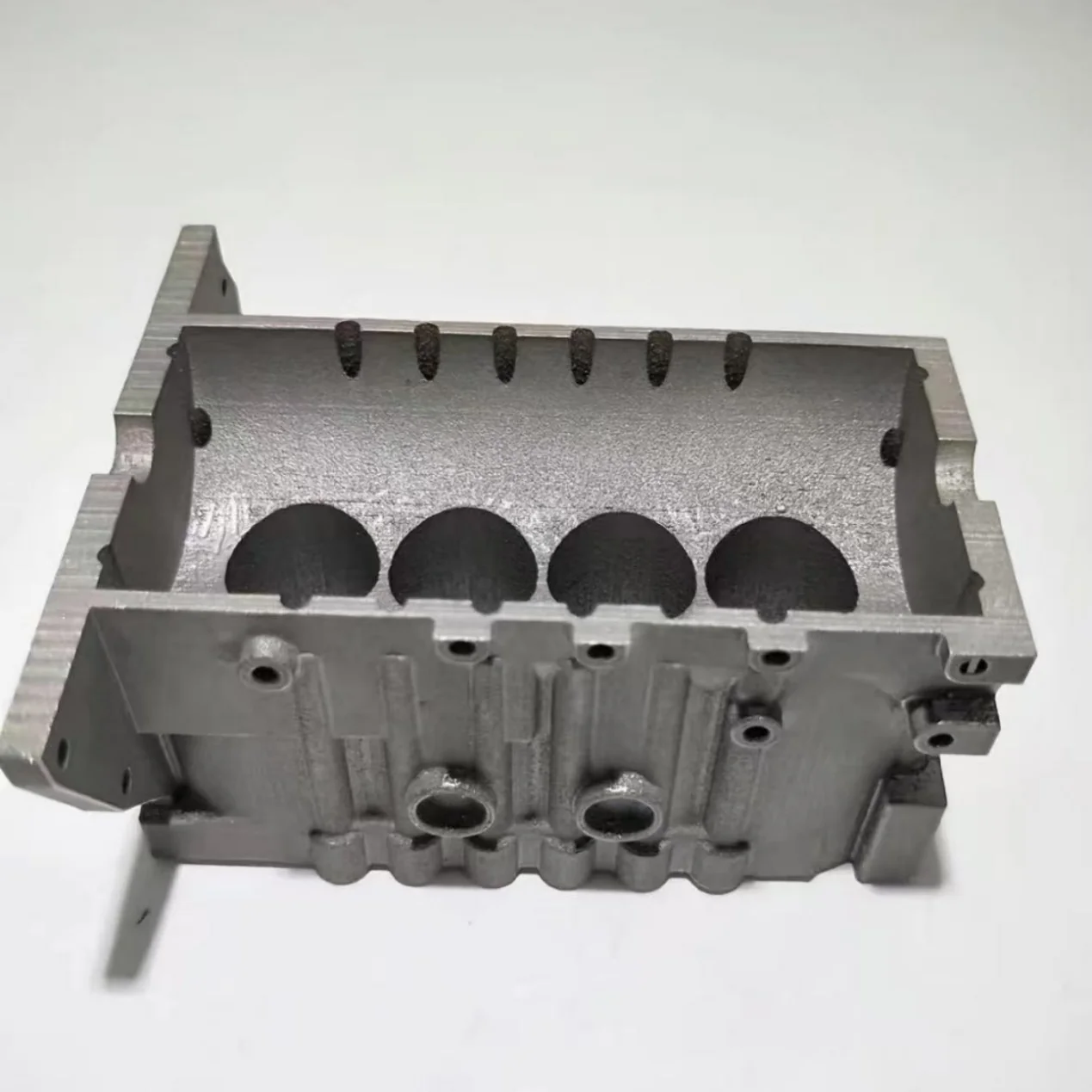
Printing a rough blank and then applying CNC finishing offers one way to combine the two processes. The printed blank can retain selected geometric features, while machining refines accessible surfaces and interfaces. The route still needs a workable fixture, suitable machining stock and a plan for the final condition of the part.
The extra operations also matter commercially. Reduced material removal does not automatically mean a lower total cost: printing, preparation, handling, fixturing and finishing all contribute. A prototype route chosen to preserve a design feature may need to be reconsidered for a later production quantity.
The companion guide to CNC machining on 3D-printed blanks examines the practical questions of printing stability, machining allowance and clamping.
Preserving the reason for the design
When asked why he did not simply use CNC machining, Mr. Tanaka explained that he had chosen 3D printing for particular structures. Those structures were central to why the watch existed. Simplifying them to suit another process would change the original intention of the design.
That is the useful engineering question behind the visit: which features are essential to the product, and which can change to make it more practical to manufacture? A process discussion should identify the distinction rather than automatically removing the feature that gave the project its purpose.
Independent product development can involve many iterations. The aim of a manufacturing review is to understand that intent, identify the features and surfaces that matter, and consider a realistic route through prototyping and production. Request a project review with the model, drawing and intended function so those choices can be discussed together.